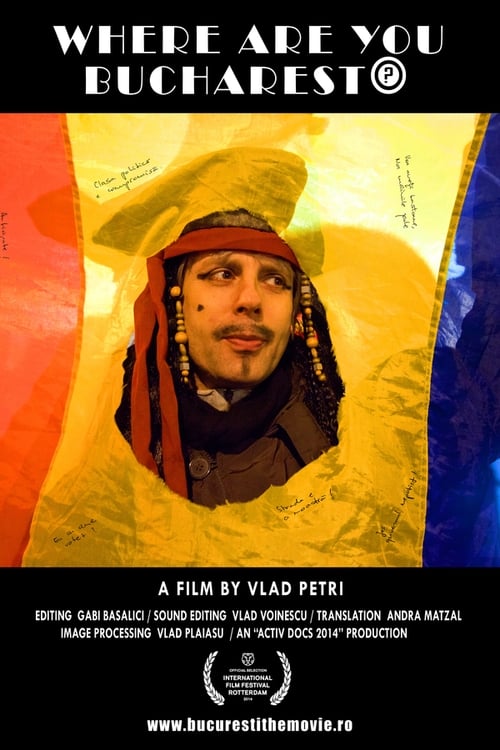
Where are you Bucharest?
2014
No user ratings available yet
Representation score: 4.5 out of 10
Representation Score
Excellent
2002
Director
Michael Glawogger, Ulrich Seidl, Michael Sturminger, Barbara Albert
Runtime
85 minutes
Average Rating
No ratings yetNew Showbiz Analysis
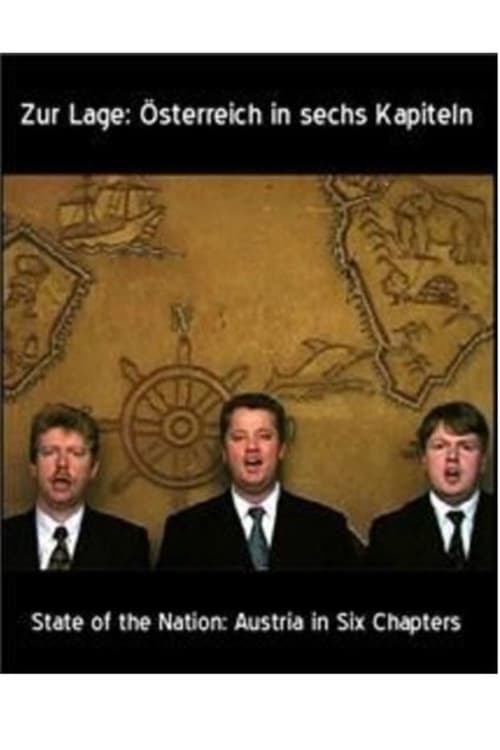
This documentary omnibus provides a fragmented, observational survey of Austrian society. By utilizing a multi-director structure, it deconstructs national identity through localized, often uncomfortable human vignettes. It successfully challenges the monolithic perception of a stable European state. The film excels at systemic critique, particularly regarding how economic necessity shapes gender roles and social mores. It avoids moralizing, instead presenting the breakdown of traditional institutions as a complex reality of the modern condition. However, the representation of disability has little control over what happens to them, focusing more on vulnerability than character depth. While it captures ethnic diversity authentically, the film's primary strength lies in its structural subversion of nationalistic pride.
Category Breakdown
The film explores non-traditional sexual behaviors and social dynamics outside the norm. It avoids framing relationships as exclusively heterosexual by focusing on transactional intimacy and individual isolation, allowing for queer-coded behaviors outside the nuclear family structure.
Gender is presented as a fluid, transactional social performance rather than a fixed role. The film destabilizes traditional hierarchies by centering on the commodification of gender and the mechanics of economic power.
The documentary captures a range of ethnic identities within urban environments. It avoids presenting a homogeneous white identity, instead documenting diverse populations within the socioeconomic margins of Austria.
The film deconstructs national myths by documenting the coexistence of ordinary citizens and extremist political sentiments. It critiques capitalist structures and the commodification of human connection through a fly-on-the-wall aesthetic.
Subjects are often portrayed in states of physical or mental vulnerability and social isolation. The film maintains a gritty tone, observing human frailty without providing characters with proactive ability to act.
Present on Screen
Limited or Absent
Official Synopsis
Four film-makers embark on a cinematic survey of Austria, documenting the political and social state of the nation and its people. An eye-opening experience. In the wake of the 1999 elections, four filmmakers decided to go out with cameras in hand and gauge the mood of their countrymen, who had made Jörg Haider's FPO party the second most powerful in Austria. What they found was a country apparently "like any other" , filled with nice ordinary people. Who feel perfectly comfortable dreaming of a possible future without foreigners, or speaking with equanimity about the old days of the Third Reich.
2014

1961
2017
2017
2016
2015
2017
2015
No reviews yet. Be the first to share your thoughts on this movie!
Use the rating form above to leave a star rating and optional review.