Breaking the Silence: Truth and Lies in the War on Terror
2003
No user ratings available yet
Diversity score: 5.4 out of 10
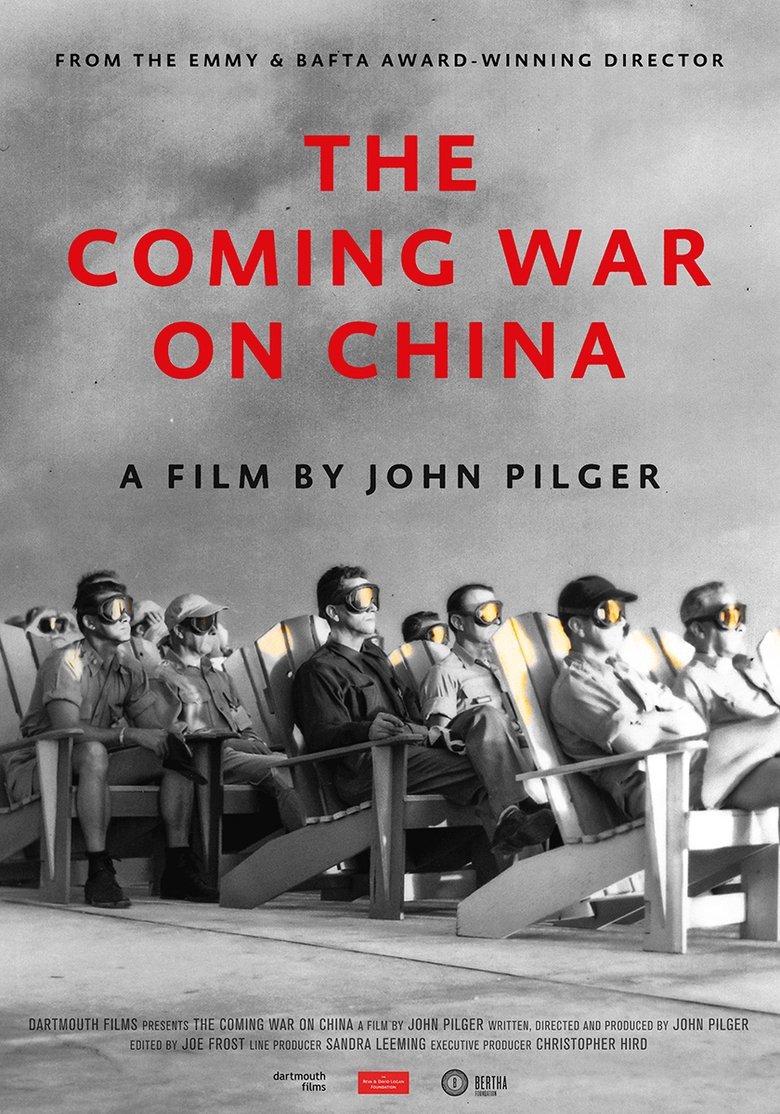
2016
TV-PGDirector
John Pilger
Runtime
110 minutes
Average Rating
No ratings yetSynopsis
John Pilger reveals what the news doesn't - that the United States and the world's second economic power, China (both nuclear armed) are on the road to war. Pilger's film is a warning and an inspiring story of resistance.
Overall Score
Fair
Category Breakdown
LGBTQ+ Representation
The documentary does not center on LGBTQ+ identities or non-cisnormative gender narratives. The focus on macro-geopolitics and military strategy results in a lack of visibility for these specific identities.
Gender Representation
The narrative architecture defaults to masculine-coded subjects like state actors and military commanders. It does not actively seek to subvert gender hierarchies or center female leadership.
Racial & Ethnic Diversity
The film excels by centering the perspectives of Pacific Island leaders, activists, and indigenous residents. This shifts agency away from Western superpowers toward those directly impacted by geopolitical maneuvers.
Religious & Cultural Diversity
Utilizing a post-colonial lens, the film critiques Western institutions and military expansion. It portrays Western structures as sources of regional instability rather than guardians of order.
Disability Representation
There is no significant focus on visible or invisible disabilities. Subjects are primarily engaged in political activism rather than narratives involving disability.
Strengths
Areas for Improvement
AI Analysis
John Pilger’s documentary serves as a powerful piece of counter-hegemonic media. It succeeds by disrupting Anglo-centric narratives and shifting the locus of agency from Western superpowers to the diverse ethnic groups of the Pacific. While the film lacks intersectional focus regarding gender and LGBTQ+ identities, it provides immense value through its deconstruction of imperialist frameworks. It prioritizes post-colonial perspectives over traditional Western stability. Ultimately, the work is defined by its ability to challenge institutional hierarchies by highlighting the voices of marginalized populations in the Asia-Pacific region.
2003
2007
2000
2008
2017
2005

2016
2011

2020

2015
2017

2018
No reviews yet. Be the first to share your thoughts on this movie!
Use the rating form above to leave a star rating and optional review.