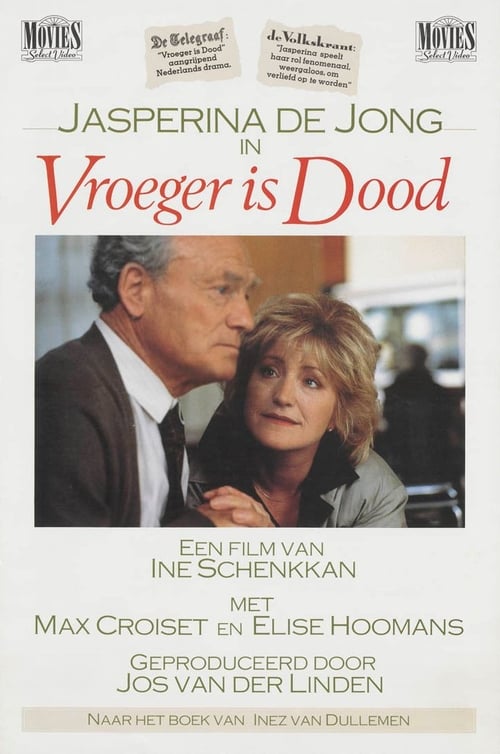
Bygones
1987
No user ratings available yet
Representation score: 6.5 out of 10

Representation Score
Limited
1981
Director
Peter Simons
Runtime
87 minutes
Average Rating
No ratings yetNew Showbiz Analysis
The film is a character-driven study of domestic transition, focusing on the emotional landscape of a middle-aged woman. While it offers a platform for exploring female interiority and psychological nuances, it operates within the established social and demographic frameworks of its time. The narrative lacks engagement with diverse racial, ethnic, or LGBTQ+ identities. It functions primarily as a piece of domestic realism rather than a tool for broader social critique. Ultimately, the film's scope is narrow, centering on the psychological shifts within a traditional family structure without expanding into broader social or cultural diversity.
Category Breakdown
The film focuses on the domestic anxieties of a mother and her daughters. There is no indication of non-binary gender identities or same-sex relationships.
The story centers on the inner lives of women and the psychological struggles of mid-life motherhood. While the main character has a strong role in driving the story, the themes align closely with traditional feminine roles.
The production appears to center around a homogeneous social unit. There is no evidence of a multi-ethnic cast or diverse cultural perspectives.
The narrative explores the breakdown of the traditional nuclear family. It prioritizes individual psychological distress over broader socio-political or cultural critiques.
There is no documented evidence regarding the portrayal of physical, neurodivergent, or mental health disabilities within the character arcs.
Present on Screen
Limited or Absent
Official Synopsis
A 40-year-old mother struggles to deal with the anxiety of growing older after her eldest daughter moves out and the youngest distances herself.
1987
1976

1991

1962
1981

1977

1991

1968
No reviews yet. Be the first to share your thoughts on this movie!
Use the rating form above to leave a star rating and optional review.