Suzanne
1981
No user ratings available yet
Representation score: 2.9 out of 10
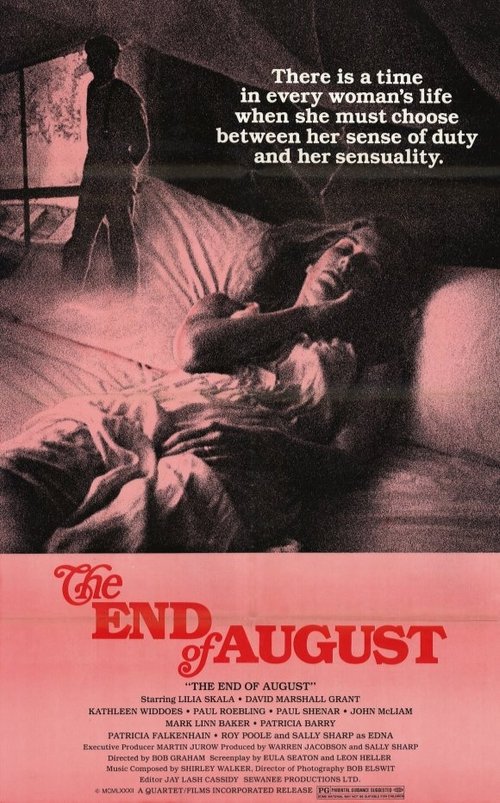
Representation Score
Fair
1981
PGDirector
Bob Graham
Runtime
105 minutes
Average Rating
No ratings yetNew Showbiz Analysis
The film presents a strong portrayal of female empowerment and the quest for personal freedom. However, its diversity is limited, focusing mainly on a heterosexual relationship and lacking LGBTQ+, racial, or disability representation. While it effectively challenges traditional family structures, it does not offer broader perspectives that reflect multiple aspects of identity.
Category Breakdown
The story focuses on a heterosexual relationship between a woman and a younger man. There are no visible representations of LGBTQ+ identities or non-traditional gender expressions.
The film features a female protagonist who drives the narrative by challenging traditional gender roles. She chooses to leave behind marriage and motherhood to pursue personal freedom, which goes against conventional expectations.
Set in early 20th century America, the film's cast includes unspecified racial compositions. There is no indication of diverse ethnic perspectives.
The film questions the traditional nuclear family structure by highlighting the protagonist's journey towards self-realization. It delves into themes of individual freedom versus established Western social institutions.
The narrative does not include any characters with physical or mental disabilities. There is no information about neurodivergent representation either.
Present on Screen
Limited or Absent
Official Synopsis
In the turn of the century South, a woman feels unfulfilled by marriage and motherhood and has an affair with a younger man. Later, the woman leaves her family and tries to start a new life alone.
1981

1965
1981
1970
1971

2009
1980
1981
No reviews yet. Be the first to share your thoughts on this movie!
Use the rating form above to leave a star rating and optional review.