Old Cats
2010
No user ratings available yet
Representation score: 6.1 out of 10
Representation Score
Good
1987
Director
Ine Schenkkan
Runtime
90 minutes
Average Rating
No ratings yetNew Showbiz Analysis
Bygones is a somber character study that prioritizes psychological realism over traditional heroic clichés. It succeeds in subverting domestic archetypes by focusing on the biological and cognitive decay of the family unit rather than its stability. The film's strength lies in its deconstruction of the idealized family. By centering the perspective of a female writer, it shifts the narrative away from patriarchal stability toward a more subjective, often painful, exploration of aging and familial dissolution. However, the film remains limited in its scope of representation. It lacks visible LGBTQ+ identities and ethnic diversity, adhering to a homogeneous social setting typical of late-80s European domestic dramas.
Category Breakdown
The film does not include any explicit references to queer identities or relationships that go beyond the assumption that everyone is straight. The story focuses mainly on the biological connection between the daughter and her parents.
The story centers on a female intellectual named Inez Dullemen, challenging traditional gender hierarchies. It avoids patriarchal clichés by showing the elderly male figure through his cognitive decline and reduced influence.
The film seems to be a localized domestic drama with a homogeneous social setting. There is no indication of a multi-ethnic cast or diverse ethnic identities.
The narrative challenges the idealized sanctity of the nuclear family through a secular, existentialist lens. It focuses on the breakdown of parental authority and the inevitability of death.
Dementia is explored as a central theme of cognitive disability. The focus on the laborious process of caregiving suggests a realistic engagement with the complexities of impairment.
Present on Screen
Limited or Absent
Official Synopsis
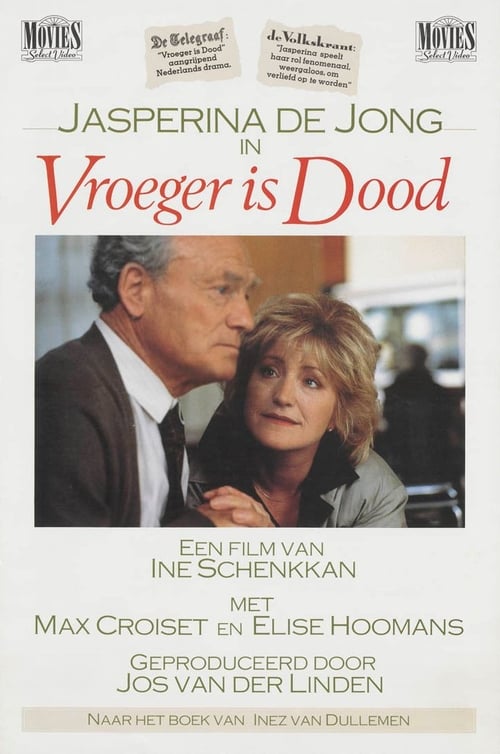
A film about the laborious and lengthy process of becoming old; the deterioration, dementia and eventual death of elderly parents. This is seen and experienced through the eyes of their daughter, the writer Inez Dullemen.
2010

1983
1981

2010

2008
1985
2019
2010
No reviews yet. Be the first to share your thoughts on this movie!
Use the rating form above to leave a star rating and optional review.