Opening Night
1977
No user ratings available yet
Representation score: 5.5 out of 10
Representation Score
Fair
1968
PG-13Director
John Cassavetes
Runtime
130 minutes
Average Rating
No ratings yetNew Showbiz Analysis
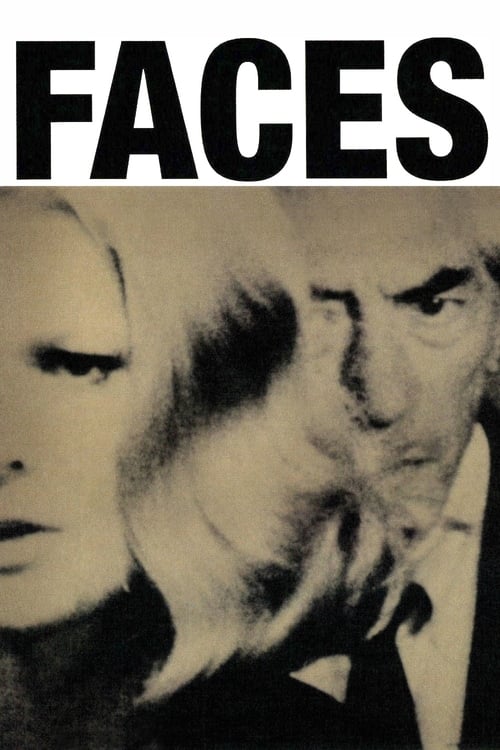
John Cassavetes’ *Faces* is a foundational independent film that prioritizes psychological depth over traditional cinematic conventions. It dismantles the idealized portrayal of suburban life through a naturalistic, improvisational style. While the film lacks diversity in terms of race and LGBTQ+ identities, it offers a powerful critique of Western social and gender norms. It replaces polished archetypes with raw, unfiltered human emotions. Ultimately, the film’s strength lies in its critique of the American Dream and the nuclear family, emphasizing the complexity of human psychology over reinforcing societal hierarchies.
Category Breakdown
The film focuses almost exclusively on the breakdown of heterosexual marriages and does not prominently feature LGBTQ+ identities or non-traditional gender expressions.
The film challenges traditional gender roles by avoiding clichés of submissive wives or stable husbands. Characters navigate complex emotions and take actions that defy typical feminine stereotypes.
The film centers on a homogeneous white, middle-class demographic and does not explore racial or ethnic diversity. It focuses on the psychological isolation of its specific group.
The film critiques Western institutional stability and consumerist lifestyles by challenging structured social or religious orders. It emphasizes moral relativism and raw human impulses.
The film does not prominently feature characters with disabilities. Instead, it focuses on neurotypical, emotionally volatile protagonists.
Present on Screen
Limited or Absent
Official Synopsis
Middle-aged suburban husband Richard abruptly tells his wife, Maria, that he wants a divorce. As Richard takes up with a younger woman, Maria enjoys a night on the town with her friends and meets a younger man. As the couple and those around them confront a seemingly futile search for what they've lost -- love, excitement, passion -- this classic American independent film explores themes of aging and alienation.
1977
1971

1974

1971
1966
1970
1977
1974
No reviews yet. Be the first to share your thoughts on this movie!
Use the rating form above to leave a star rating and optional review.