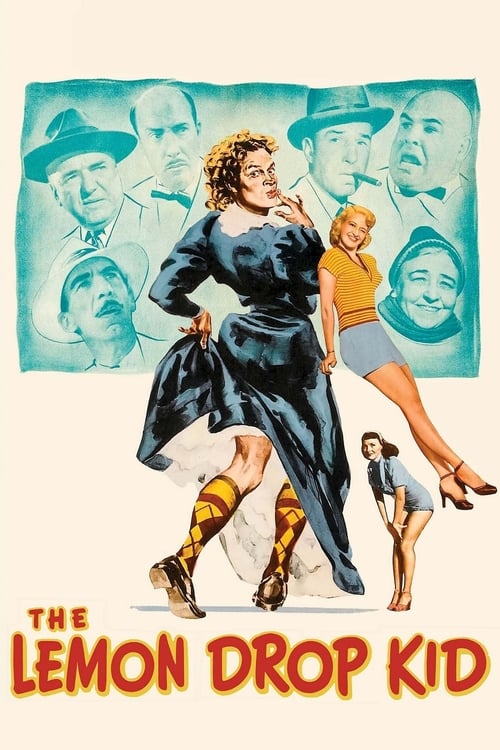
The Lemon Drop Kid
1951
No user ratings available yet
Diversity score: 1.8 out of 10
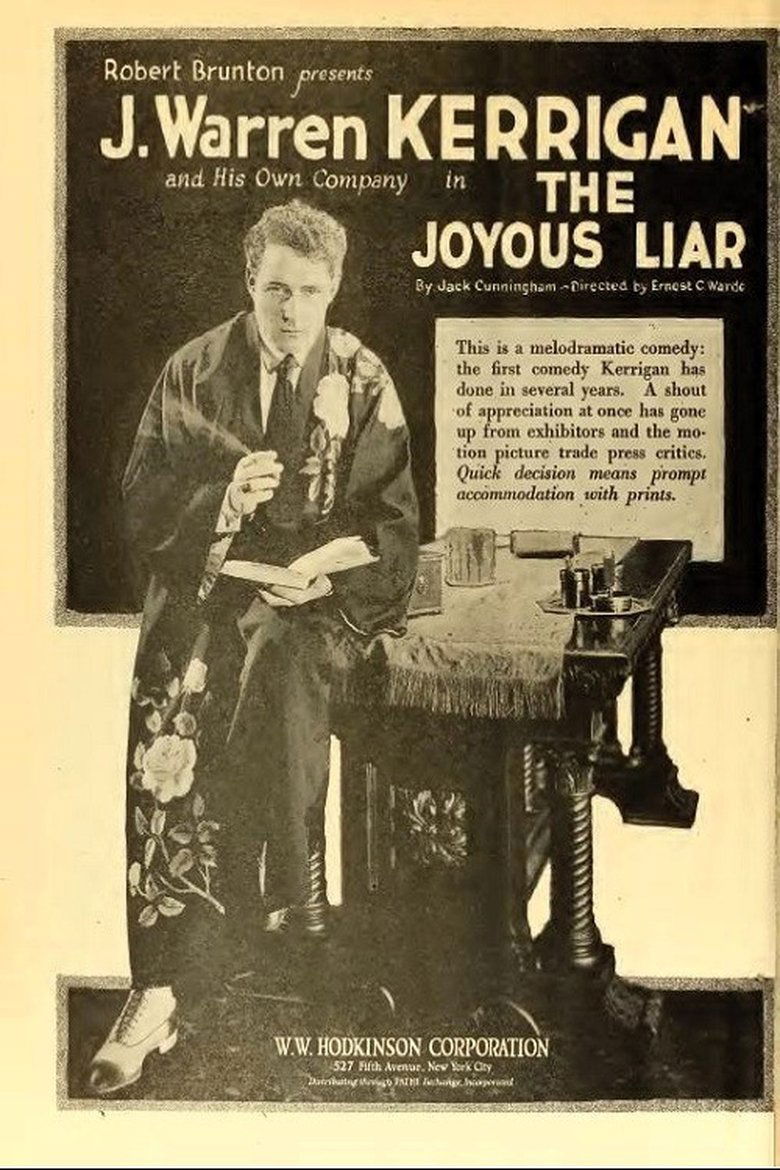
1919
APPROVEDDirector
Ernest C. Warde
Runtime
50 minutes
Average Rating
No ratings yetSynopsis
Burke Harlan an artist, saves Anne Warren from auto thieves, but he is wrongfully arrested and accused of stealing her car. The girl's father is a criminologist and has Harlan released into his custody as he would like to try to reform the young man. Harlan finds this highly amusing and goes along with the idea, mainly because it will allow him to be nearer lovely Anne. He does his best at convincing he is a delinquent, however Anne has a beau who is the police commissioner. But the clever Harlan outwits everyone and elopes with Anne before revealing his true identity.
Overall Score
Limited
Category Breakdown
LGBTQ+ Representation
The plot centers on a standard courtship between Burke Harlan and Anne Warren. There are no queer romantic arcs or non-cisnormative identities present.
Gender Representation
Anne serves primarily as a figure for rescue and romantic pursuit. The male protagonist drives the action through wit, reinforcing traditional patriarchal courtship structures.
Racial & Ethnic Diversity
The narrative focuses on a homogeneous social group. There is no evidence of non-white casting or diverse ethnic backgrounds within the story.
Religious & Cultural Diversity
The film follows traditional Western values of courtship and social reconciliation. The comedic elements focus on individual wit rather than critiques of class or systemic oppression.
Disability Representation
No characters with visible or invisible disabilities are identified in the narrative.
Strengths
Areas for Improvement
AI Analysis
The film is a product of its 1919 era, functioning as a conventional silent comedy that prioritizes heteronormative romantic resolutions. The narrative structure relies on established social hierarchies and traditional gender roles to drive its comedic conflict. Representation is minimal, as the story centers on a homogeneous group and lacks any meaningful inclusion of marginalized identities. The focus remains strictly on individualist wit and the restoration of romantic order through elopement.
1951

1930
1940
1954

1958
1925
1924
1935
1951
1935
1937
1934
No reviews yet. Be the first to share your thoughts on this movie!
Use the rating form above to leave a star rating and optional review.