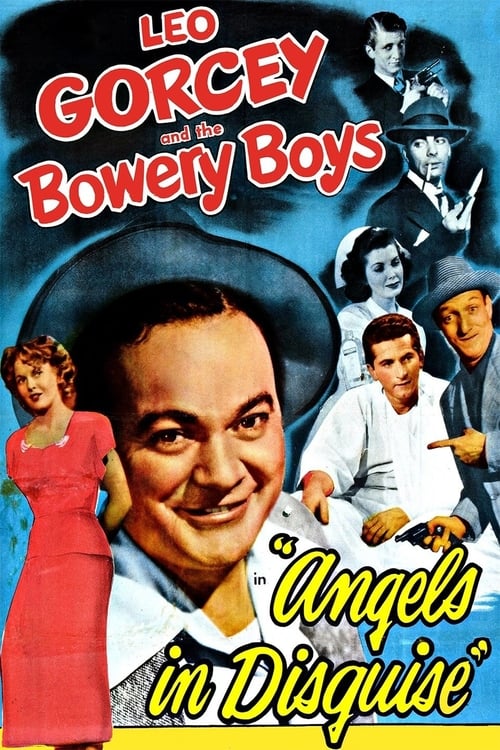
Angels in Disguise
1949
No user ratings available yet
Representation score: 3.0 out of 10
Representation Score
Limited
1951
NRDirector
Edgar G. Ulmer
Runtime
80 minutes
Average Rating
No ratings yetNew Showbiz Analysis
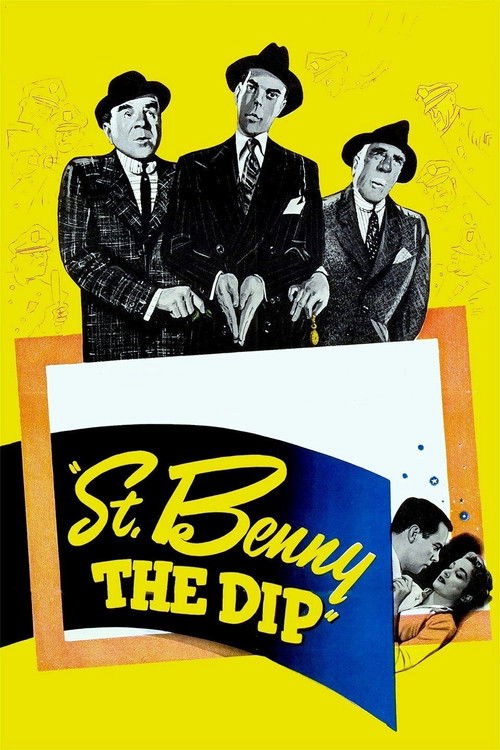
St. Benny the Dip is a period-specific crime comedy that operates within the established social and demographic boundaries of early 1950s cinema. While it uses religious personas to drive the plot, it lacks multi-layered depth or real representation for underrepresented groups. The film relies on traditional archetypes and the standard racial hierarchies of its era. It functions more as a genre piece about deception than a vehicle for social or systemic critique. Ultimately, the work lacks the progressive narrative disruption required for a higher diversity score, focusing instead on the mechanics of a criminal con.
Category Breakdown
The film does not include any LGBTQ+ characters or narratives that challenge the assumption that everyone is straight or cisgender. It focuses on a criminal gang, likely using traditional gender roles common to 1951 crime comedies.
The narrative follows conventional mid-century clichés without challenging gender hierarchies. The plot centers on masculine roles of deception and criminal enterprise through the mechanics of a con.
The film appears to adhere to the homogeneous demographic norms of 1950s Hollywood. There is no evidence of race-bent casting or a non-white majority cast.
The story uses religious iconography as a tool for deception, introducing skepticism toward authority. However, it follows a traditional moral arc rather than a sustained systemic critique.
There is no evidence of characters with physical or neurodivergent disabilities. The narrative does not address disability representation.
Present on Screen
Limited or Absent
Official Synopsis
A gang of con artists disguise themselves as clerics in order to pull off a job, but soon find that even pretending to be religious people is having an effect on them.
1949
1955
1935
1971
1951

1964
1934
1989
No reviews yet. Be the first to share your thoughts on this movie!
Use the rating form above to leave a star rating and optional review.