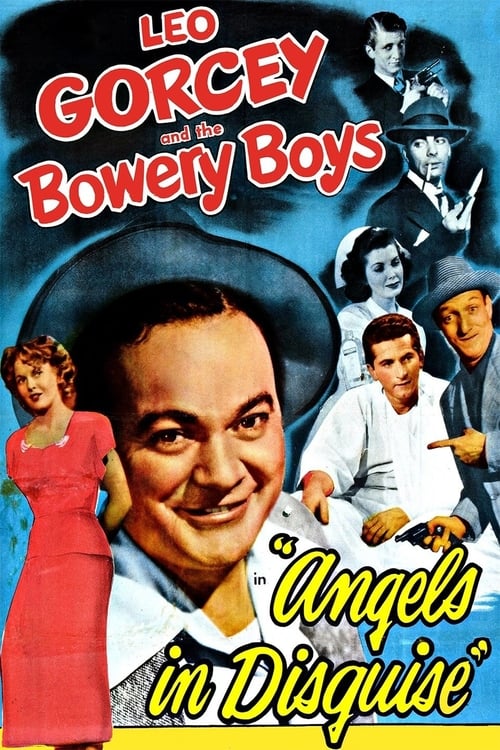
Angels in Disguise
1949
No user ratings available yet
Representation score: 3.0 out of 10
Representation Score
Minimal
1937
PassedDirector
Karl Hartl
Runtime
106 minutes
Average Rating
No ratings yetNew Showbiz Analysis
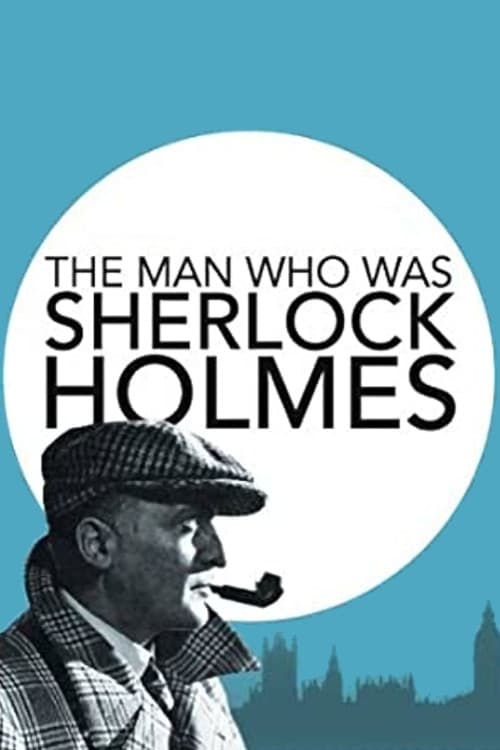
This 1937 comedy-crime film is a product of its era, prioritizing established social hierarchies and conventional archetypes. The narrative structure reinforces the period's gendered and racial norms rather than challenging them. The film operates within a very specific historical context, offering little to no representation of underrepresented groups and focusing instead on traditional detective clichés and institutional authority.
Category Breakdown
The film adheres to 1930s cinematic conventions, showing no representation of non-binary gender identities or same-sex relationships. The central relationship is a platonic, professional partnership between two men.
The narrative focuses heavily on a male-driven investigative duo. Women appear in secondary roles, while the plot is driven by male intellect and traditional masculine roles.
The production reflects the demographic homogeneity of mid-century Europe. The cast and setting are predominantly white and Anglo-centric, focusing on London's social strata.
The story functions as a traditional procedural that reinforces social stability. It follows a conventional trajectory where the detective acts as a stabilizing force within existing hierarchies.
There is no discernible representation of physical or neurodivergent disabilities. Characters are portrayed through the lens of standard physical competence required by the crime genre.
Present on Screen
Limited or Absent
Official Synopsis
Two dubious characters disguise themselves as Holmes and Watson to gain attention and end up chasing counterfeiters and stolen stamps.
1949

1967
1938
1988
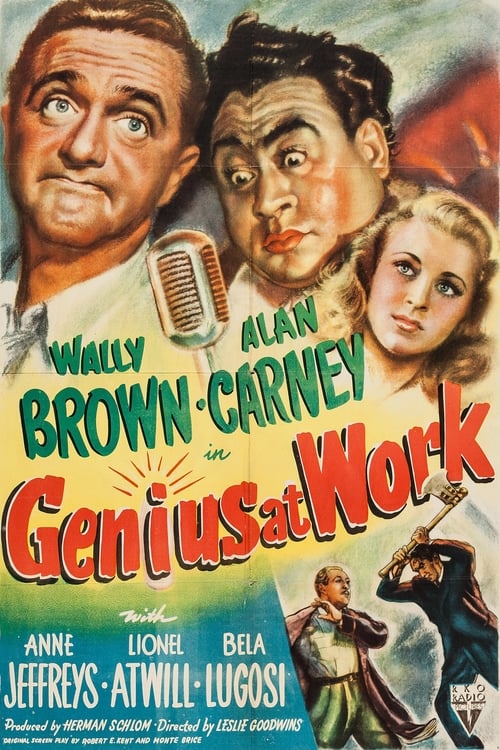
1946
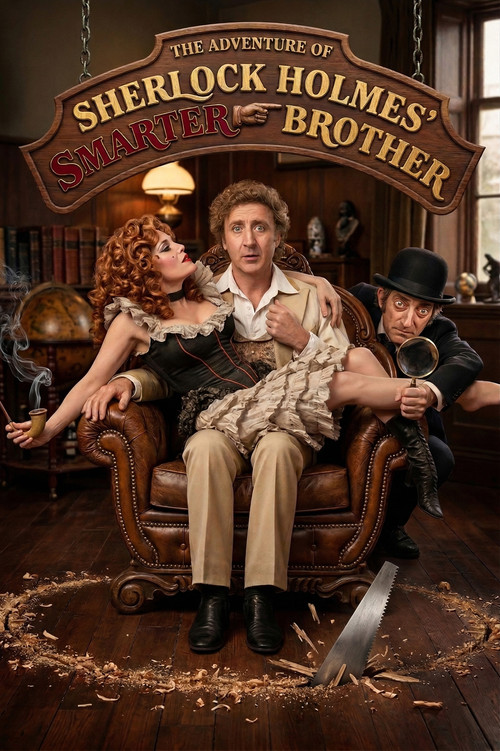
1975
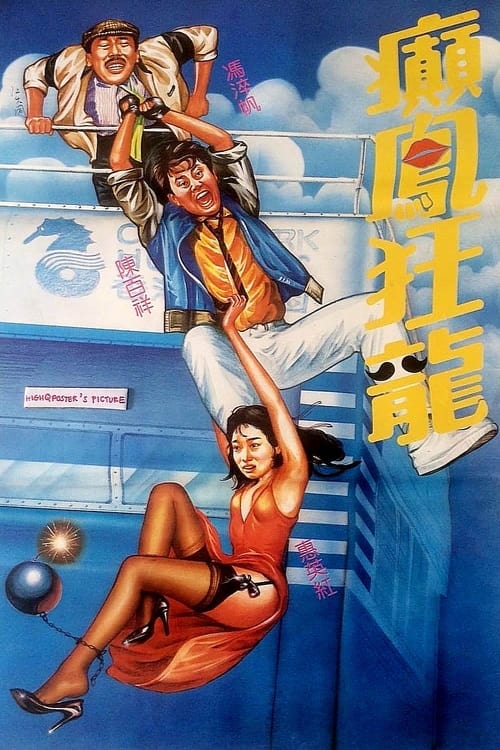
1984

1948
No reviews yet. Be the first to share your thoughts on this movie!
Use the rating form above to leave a star rating and optional review.