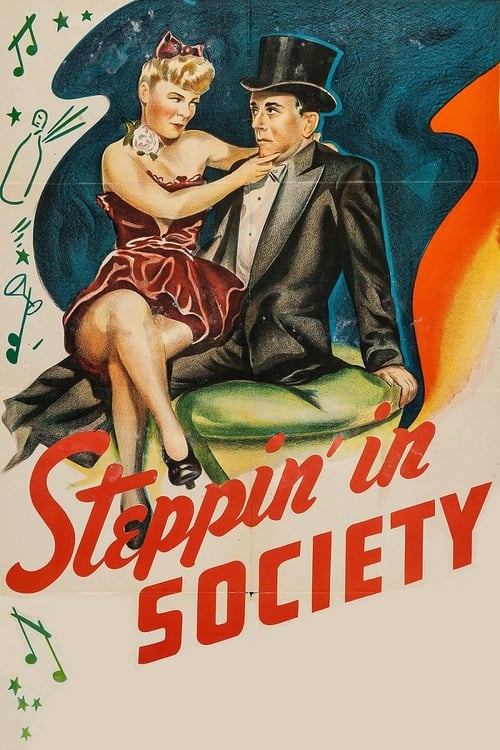
Steppin' in Society
1945
No user ratings available yet
Representation score: 1.2 out of 10
Representation Score
Minimal
1940
ApprovedDirector
Edward Sedgwick
Runtime
68 minutes
Average Rating
No ratings yetNew Showbiz Analysis
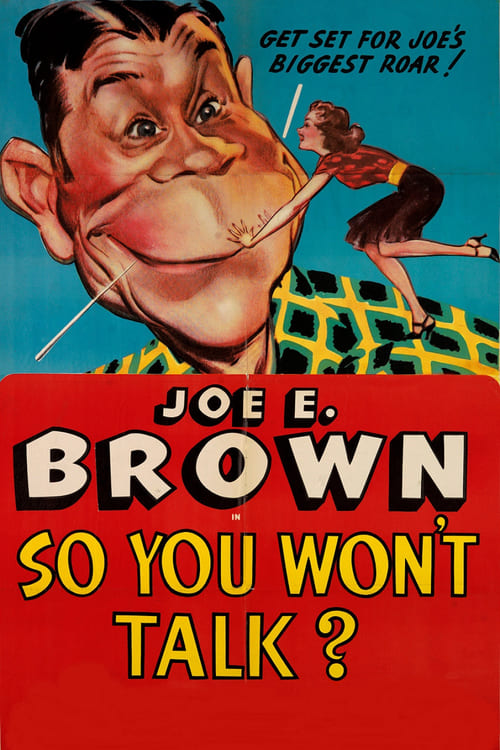
So You Won't Talk? is a product of the 1940s studio system, prioritizing traditional genre clichés over social subversion. The comedy of errors relies on a male-driven premise of mistaken identity, reinforcing the patriarchal structures of the era. The film lacks multi-layered complexity, offering little representation for LGBTQ+ individuals, diverse ethnic groups, or people with disabilities. It functions as a standard mid-century comedy that maintains the status quo of its time. Ultimately, the production reflects the demographic norms and social hierarchies of early Hollywood, focusing on mainstream, conventional storytelling.
Category Breakdown
The film does not include any LGBTQ+ characters or narratives. It follows the social norms of the 1940s, where non-straight relationships were not prominently featured.
The story focuses on male-dominated conflicts and identity confusion. Female characters tend to serve as secondary figures or romantic interests within traditional gender roles.
The film likely features a homogeneous, Anglo-Saxon cast typical of its era. There is no indication of diverse ethnic perspectives or race-bent casting.
The story operates within the conventional moral frameworks of the 1940s. It reinforces established notions of law and order rather than critiquing Western institutions.
There is no evidence of characters with physical or neurodivergent disabilities. The narrative does not address disability representation.
Present on Screen
Limited or Absent
Official Synopsis
A shy book reviewer is confused with a notorious gangster who has just been release from prison.
1945
1940
1935
1949

1933
1949

1938
1935
No reviews yet. Be the first to share your thoughts on this movie!
Use the rating form above to leave a star rating and optional review.