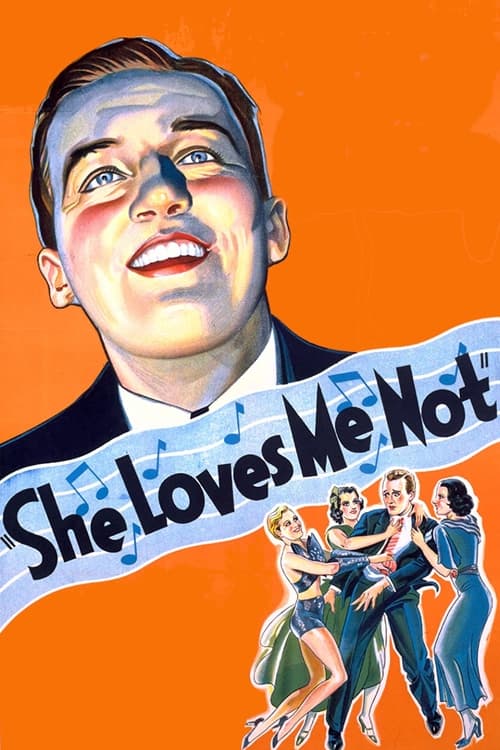
She Loves Me Not
1934
No user ratings available yet
Representation score: 1.9 out of 10

Representation Score
Minimal
1935
Director
Yves Mirande
Runtime
91 minutes
Average Rating
No ratings yetNew Showbiz Analysis
Baccara is a period comedy of manners that relies on high-concept clichés like a corrupt banker and an alien mistress. The film functions as a traditional piece of 1930s French cinema, focusing on individual eccentricity and social assimilation rather than systemic critique. The narrative structure supports the status quo of the era. It prioritizes situational irony and social misunderstandings over the deconstruction of established hierarchies or the inclusion of diverse identities. Ultimately, the film lacks intentional efforts to disrupt conventional social structures, resulting in a narrow focus on traditional romantic and nationalistic themes.
Category Breakdown
The film does not depict any non-straight relationships or same-sex intimacy. Romantic tension is centered around traditional 1930s marriages.
A female character holds a central position, but her influence depends on her romantic and legal status. Power dynamics favor a wealthy male banker, upholding traditional hierarchies.
The story focuses on a homogeneous social circle. The sci-fi 'alien' element is used as a fantasy cliché rather than representing diverse racial or ethnic identities.
Themes of assimilation emphasize becoming French, reinforcing national identity. The film adheres to the conventional moral and social frameworks of its time.
There are no characters with visible or invisible disabilities in the narrative or historical context.
Present on Screen
Limited or Absent
Official Synopsis
A rich banker is actually a crook. His mistress, an alien, wants to become French and the only way is to marry a Frenchman.
1934
1933

1950
1951

1934
1932

1951

1955
No reviews yet. Be the first to share your thoughts on this movie!
Use the rating form above to leave a star rating and optional review.