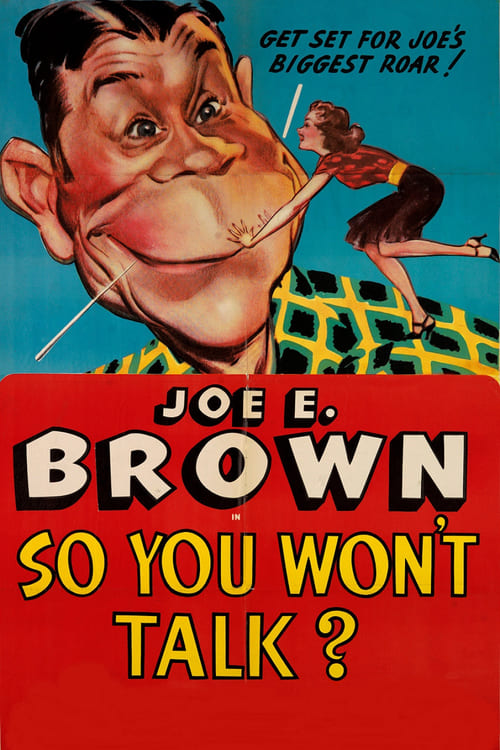
So You Won't Talk?
1940
No user ratings available yet
Representation score: 1.4 out of 10
Representation Score
Minimal
1935
ApprovedDirector
John Ford
Runtime
93 minutes
Average Rating
No ratings yetNew Showbiz Analysis
The film is a product of its historical context, functioning primarily as a genre-driven screwball comedy. It relies heavily on the social norms of the 1930s rather than challenging them. While the film offers moderate women's ability to drive the story through witty interactions, it lacks complexity in representing diverse identities. The narrative focuses on a small-town setting with minimal racial or cultural diversity.
Category Breakdown
The film does not include any LGBTQ+ characters or non-straight relationships. The romantic storyline focuses solely on a traditional heterosexual relationship between the main character and the female lead.
Jean Arthur’s character plays a significant role in driving the story with her quick wit and clever dialogue. However, the film adheres to the gender norms of the 1930s, which limit her influence to a comedic context.
The cast is predominantly white with no significant racial or ethnic diversity. The story reflects a traditional social structure typical of the time period.
The story follows conventional social morals and does not challenge institutional norms. It explores personal conflicts with societal rules through a lens of comedic misunderstandings.
There is no representation of physical, sensory, or neurodivergent disabilities. Characters are portrayed through typical able-bodied comedic roles.
Present on Screen
Limited or Absent
Official Synopsis
Ordinary man-in-the-street Arthur Ferguson Jones leads a very straightforward life. He's never late for work and nothing interesting ever happens to him. One day everything changes: he oversleeps and is fired as an example, he's then mistaken for evil criminal killer Mannion and is arrested. The resemblance is so striking that the police give him a special pass to avoid a similar mistake. The real Mannion sees the opportunity to steal the pass and move around freely and chaos results.
1940
1936
1938

1923
1935
1940
1945

1919
No reviews yet. Be the first to share your thoughts on this movie!
Use the rating form above to leave a star rating and optional review.