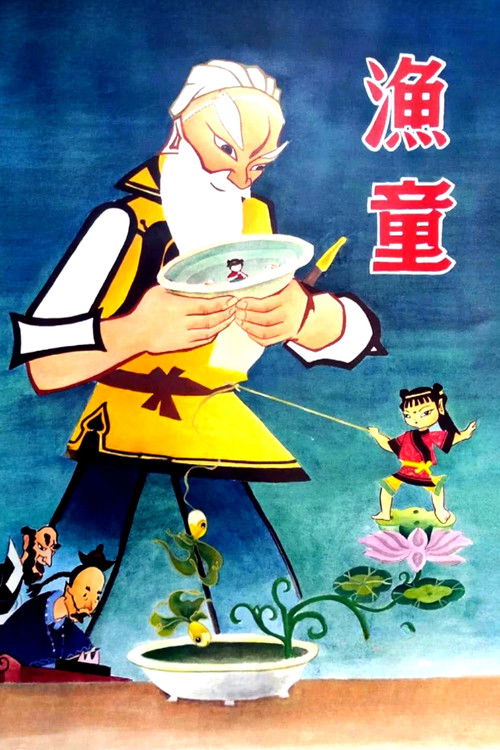
Fishing Child
1959
No user ratings available yet
Representation score: 4.7 out of 10

Representation Score
Limited
1981
Director
Qian Jiajun, Dai Tielang
Runtime
25 minutes
Average Rating
No ratings yetNew Showbiz Analysis
The Nine-Colored Deer is a foundational piece of Chinese animation that uses folklore to challenge traditional power structures. It introduces a Persian merchant to provide a cross-cultural perspective, adding depth to the ancient setting. However, the film lacks contemporary identity-based representation, focusing instead on moral and systemic critiques. The film's strength lies in its critique of imperial corruption and the positioning of a spiritual entity as the ultimate judge of justice.
Category Breakdown
The film focuses on traditional protagonists without depicting any LGBTQ+ relationships or identities.
The story centers around male characters and lacks strong female roles or ability to act.
The inclusion of a Persian merchant introduces a multicultural element to the ancient setting.
The film critiques imperial greed and absolute monarchy through a spiritual lens, challenging the dominance of state authority.
The film does not depict any characters with disabilities or conditions.
Present on Screen
Limited or Absent
Official Synopsis
In ancient times, a Persian merchant gets lost in a windstorm. Suddenly a spiritual deer of nine colors appears to guide the man. Later on, the deer rescues a man drowning in a river. In exchange, the man promises not to reveal the deer's whereabouts. The man reaches an imperial palace. The king insists on hunting down the spiritual deer down to make clothes out of the deer skin. The man gives in to his greed and leads an army of warriors to the spot. He falls into the river again, hoping the deer will show up to rescue him. This time, all the warriors' arrows turn into dust and the man is drowned
1959
1926
1954
1980
1944
1958
1981
1954
No reviews yet. Be the first to share your thoughts on this movie!
Use the rating form above to leave a star rating and optional review.