Elf on the Run
2017
No user ratings available yet
Diversity score: 5.7 out of 10
1958
Director
Taiji Yabushita
Runtime
79 minutes
Average Rating
No ratings yetSynopsis
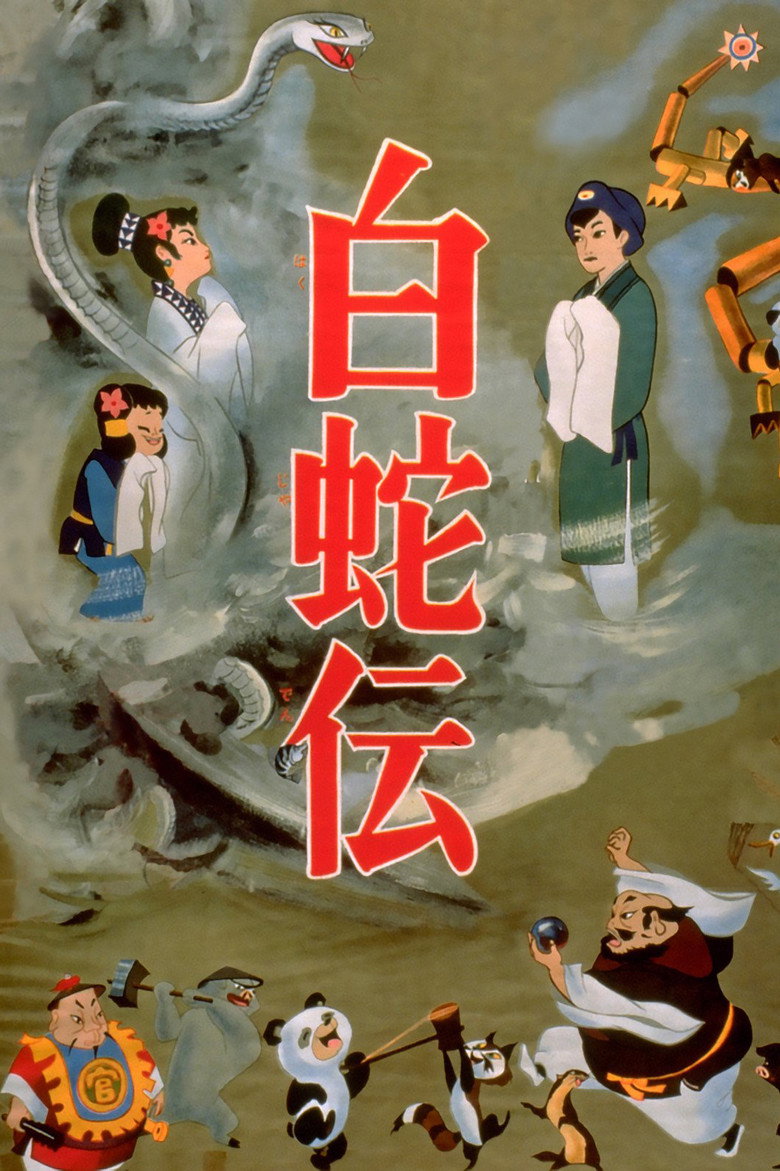
As a young boy, Xu-Xian is forced to free his pet, a small snake. Unbeknownst to him, the snake is actually a young snake goddess named Bai-Niang and she is in love with him. Many years later, when they are both adults, the princess is magically transformed into a human and sets out to find her love. But the local wizard believes her to be a vampire, and banishes Xu-Xian from the village in order to save him. Xu-Xian's pet pandas Panda and Mimi set out to save him and bring him, in the process becoming leaders of an animal gang.
Overall Score
Fair
Category Breakdown
LGBTQ+ Representation
The story explores a non-traditional bond between a human and a supernatural snake goddess. While it subverts biological norms, the romance appears to follow a traditional framework rather than challenging heteronormativity.
Gender Representation
Bai-Niang serves as a powerful driving force with significant agency through her transformation. However, the plot is heavily influenced by a male wizard who dictates the central conflict.
Racial & Ethnic Diversity
This Japanese animation offers a refreshing departure from Eurocentric fantasy tropes. It utilizes culturally specific mythology and anthropomorphic elements like pandas to build its world.
Religious & Cultural Diversity
The film engages with folklore and the tension between institutional authority and the misunderstood 'other.' It follows a traditional moral arc typical of period-specific folk tales.
Disability Representation
There are no discernible depictions of physical or neurodivergent disabilities that serve as central character traits or plot drivers.
Strengths
Areas for Improvement
AI Analysis
The film stands out for its use of non-Western mythological structures, providing an alternative to the standard fantasy tropes found in Western animation of the late 1950s. The protagonist, a snake goddess, possesses significant agency and drives the narrative forward through her own transformations. However, the work remains rooted in the era's traditional storytelling. The conflict is largely driven by male authority figures, and the romantic elements do not explicitly push against established social norms. Ultimately, it is a culturally rich piece of animation that offers a unique perspective on the supernatural, even if it lacks modern intersectional complexity.
2017
2001
1949
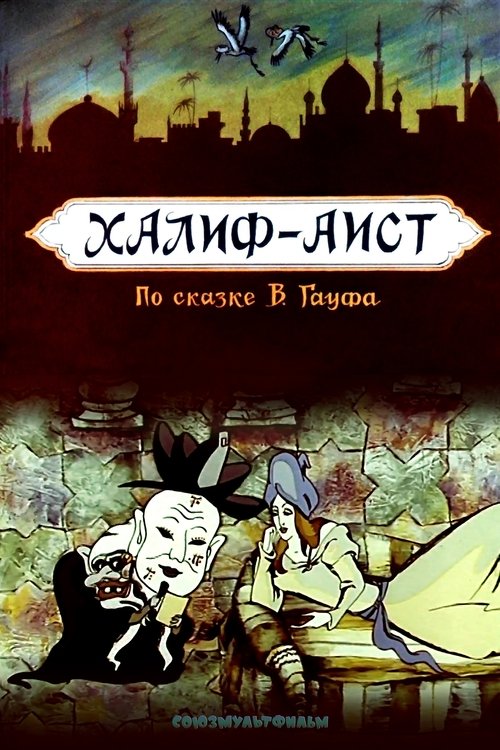
1981
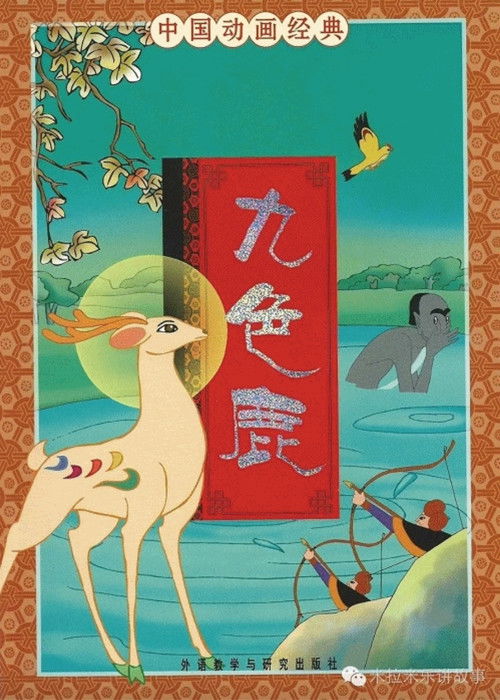
1981
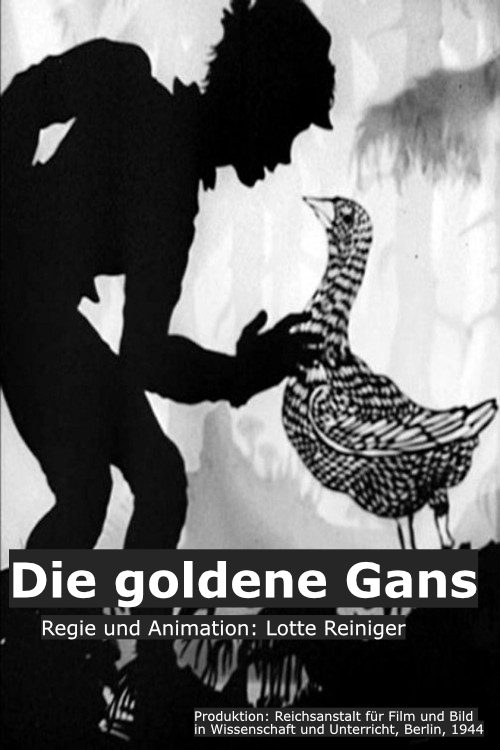
1944
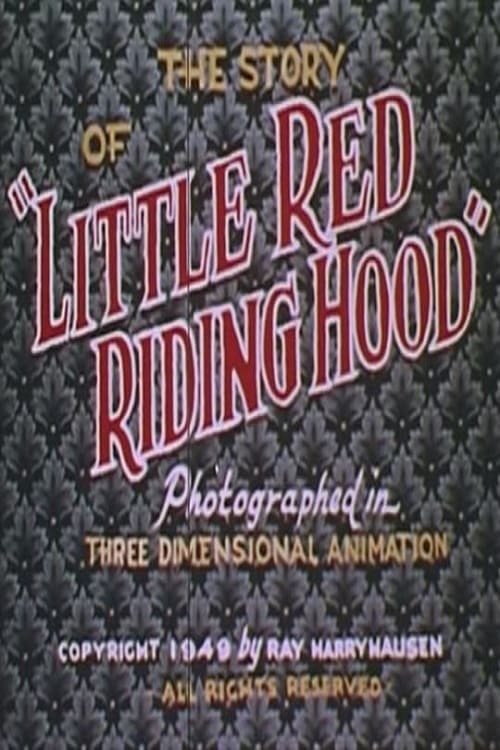
1949
1992

2003
2019
2001
1971
No reviews yet. Be the first to share your thoughts on this movie!
Use the rating form above to leave a star rating and optional review.