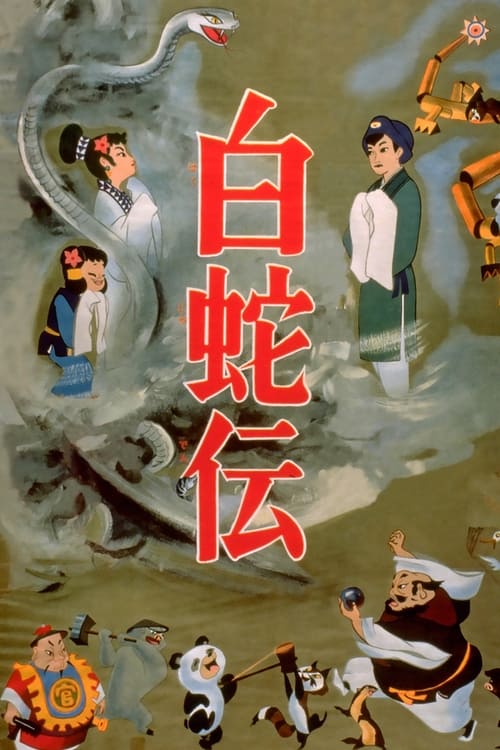
The Tale of the White Serpent
1958
No user ratings available yet
Diversity score: 5.2 out of 10
1981
Director
Valeriy Ugarov
Runtime
20 minutes
Average Rating
No ratings yetSynopsis
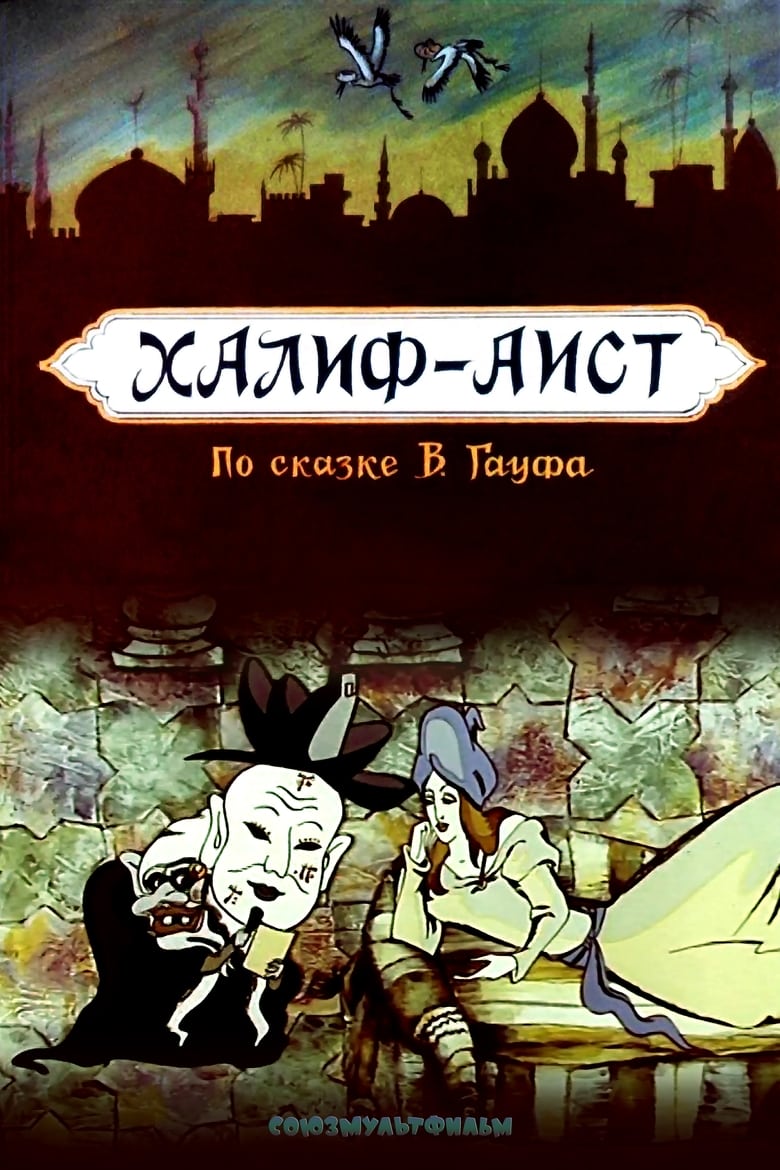
A rich caliph is leading a careless life. One day an evil wizard sells him a magic potion that can turn human into any animal he wants. The only condition: one mustn't laugh.
Overall Score
Limited
Category Breakdown
LGBTQ+ Representation
The narrative focuses on a single male protagonist and a magical conflict. There is no visible presence of non-cisnormative identities or critiques of heteronormativity.
Gender Representation
The story centers on a male figure of authority. Without evidence of female agency or gender subversion, the film follows a traditional hierarchy.
Racial & Ethnic Diversity
The Caliphate setting offers a non-Western, Middle Eastern-inspired aesthetic. However, this setting may serve as an exoticized backdrop rather than a tool for racial complexity.
Religious & Cultural Diversity
The film functions as a moralistic fable. It focuses on individual morality and traditional storytelling rather than critiquing systemic institutions or oppression.
Disability Representation
There is no mention of characters with visible or invisible disabilities within the narrative.
Strengths
Areas for Improvement
AI Analysis
Khalif the Stork is a traditional Soviet-era animated fable that prioritizes moral allegory over modern identity politics. The story follows a classic cautionary arc regarding excess and self-control, centered on a male Caliph. While the film provides ethnic variety through its Middle Eastern-inspired setting, it lacks intersectional depth. The narrative structure adheres to conventional tropes, focusing on individual character flaws rather than the deconstruction of social hierarchies. Ultimately, the film serves as a moral lesson through a folklore lens, offering limited representation for contemporary progressive narratives.
1958

1955
1949
1981

2003
1974
1986
1960
1948
1982
1971

1982
No reviews yet. Be the first to share your thoughts on this movie!
Use the rating form above to leave a star rating and optional review.