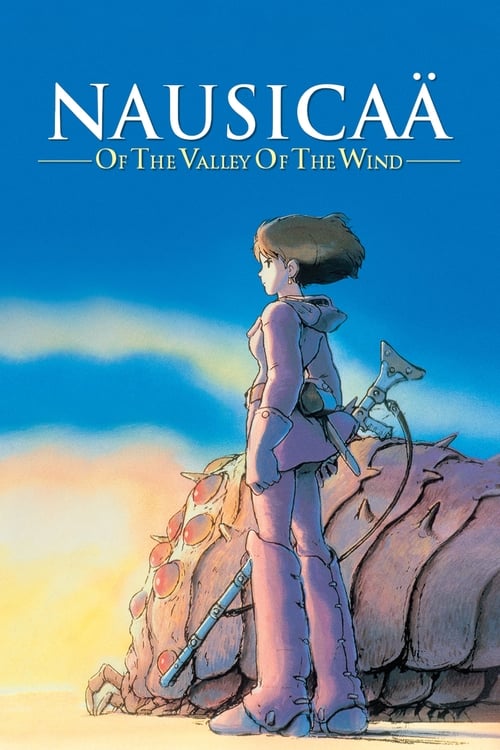
Warriors of the Wind
1984
No user ratings available yet
Representation score: 8.4 out of 10
Representation Score
Fair
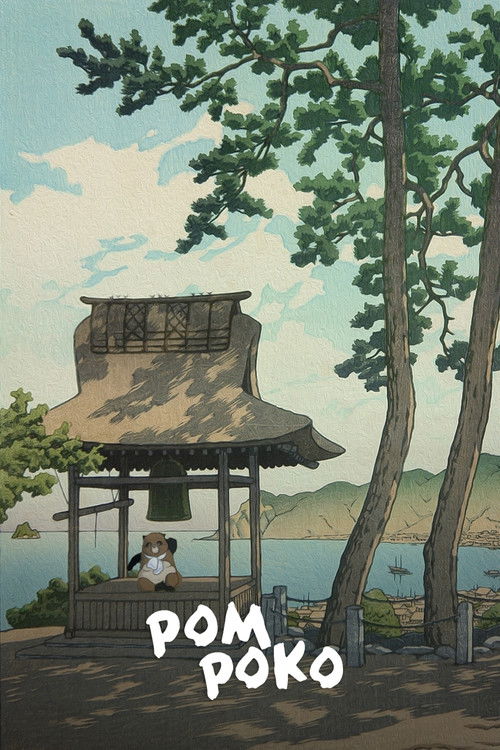
1994
PGDirector
Isao Takahata
Runtime
119 minutes
Average Rating
No ratings yetNew Showbiz Analysis
Pom Poko is a sophisticated environmental allegory that uses folklore to critique the displacement caused by rapid urbanization. It excels at portraying the struggle of a underrepresented community fighting to preserve its way of life against an encroaching, modernizing force. While the film offers a strong critique of capitalist expansion and industrial progress, it lacks representation regarding specific human identities. The focus on inter-species communal dynamics means that LGBTQ+ and disability-related narratives are absent. Ultimately, the film's strength lies in its cultural and ecological commentary. It successfully uses the tanuki as a proxy for the loss of traditional habitats and the systemic erasure of non-Western, nature-centric values.
Category Breakdown
The story focuses entirely on the collective survival of the tanuki community. There are no depictions of non-straight relationships or same-sex intimacy.
The tanuki community maintains a balanced social structure. While the film avoids traditional patriarchal hierarchies, it lacks specific arcs that challenge gender roles or power dynamics.
The film uses anthropomorphized animals as a metaphor for underrepresented groups. It mirrors themes of territorial loss and the struggle for cultural preservation against systemic erasure.
The narrative champions a nature-centric worldview against industrial hegemony. It frames modern urban development as a destructive force that threatens traditional ecological stability.
The film does not feature characters defined by physical or neurodivergent disabilities. The narrative focus remains on the species' collective struggle.
Present on Screen
Limited or Absent
Official Synopsis
The Raccoons of the Tama Hills are being forced from their homes by the rapid development of houses and shopping malls. As it becomes harder to find food and shelter, they decide to band together and fight back. The Raccoons practice and perfect the ancient art of transformation until they are even able to appear as humans in hilarious circumstances.
1984
2019
2001
1978
1996
1992
1987
1982
No reviews yet. Be the first to share your thoughts on this movie!
Use the rating form above to leave a star rating and optional review.