The Little Chimney Sweep
1955
No user ratings available yet
Representation score: 5.8 out of 10
Representation Score
Fair
1949
Director
Karel Zeman
Runtime
12 minutes
Average Rating
No ratings yetNew Showbiz Analysis
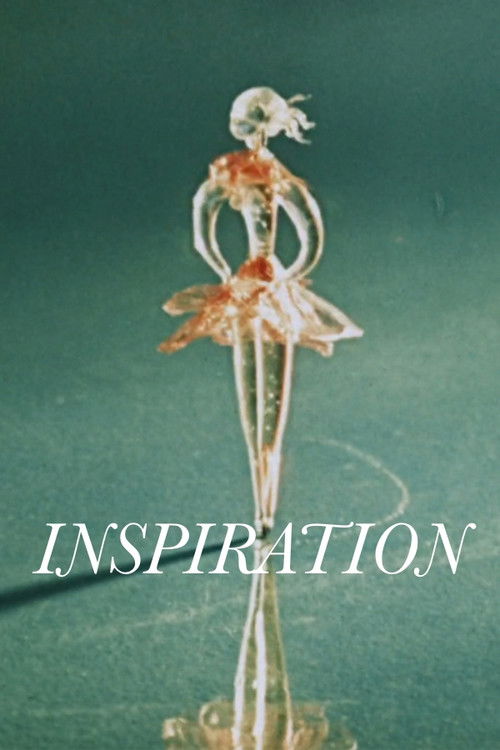
Karel Zeman’s *Inspiration* is a surrealist exploration that emphasizes poetic metaphor over social realism. Through its use of glasswork and light, the film sidesteps many traditional markers of identity. While the film does not feature modern identity-based casting, it successfully disrupts mid-century masculine stereotypes. The male protagonist is portrayed with vulnerability and creativity rather than traditional dominance, offering a sophisticated, post-materialist perspective. Ultimately, the film's diversity is found in its transcendence of social hierarchies through art, even if it does not explicitly address specific underrepresented groups.
Category Breakdown
The film presents a dreamlike, ethereal vision of love without explicitly showing non-traditional gender identities. Despite its gender-ambiguous aesthetic, it remains within traditional romantic themes.
The story centers on a male glass blower but avoids reinforcing heavy-handed masculinity. By portraying the muse as a force of nature, the film challenges typical mid-century masculine stereotypes through sensitivity.
Characters are depicted through glasswork and light, minimizing specific racial markers in favor of elemental forms. While this avoids direct stereotyping, it does not actively seek diverse representation.
The film promotes a secular mysticism by focusing on dreamscapes rather than structured religious or capitalist realities. It suggests that truth lies in art and emotion rather than established social institutions.
There is no discernible evidence regarding the portrayal of physical or neurodivergent disabilities within this abstract work.
Present on Screen
Limited or Absent
Official Synopsis
A glass blower imagines that his creations come to life. A story of love contained within a single drop of rain. A voyage into ethereal beauty.
1955
1985
1974
1988
2020
1954

1954
1976
No reviews yet. Be the first to share your thoughts on this movie!
Use the rating form above to leave a star rating and optional review.