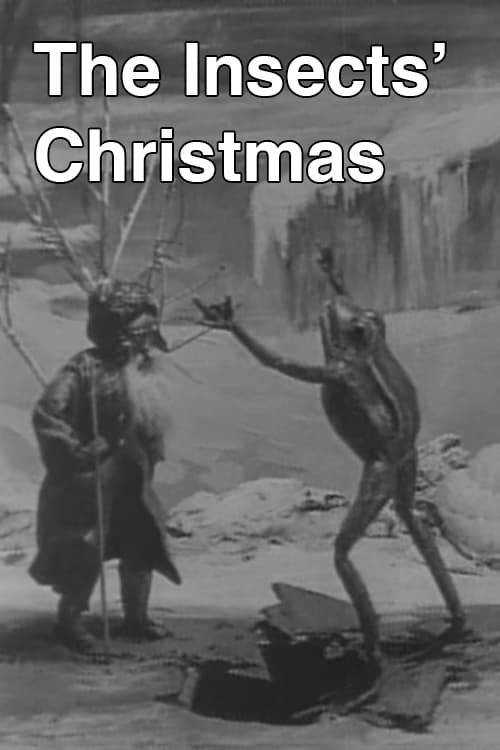
The Insects' Christmas
1913
No user ratings available yet
Representation score: 5.0 out of 10
Representation Score
Minimal
1913
Director
Władysław Starewicz
Runtime
5 minutes
Average Rating
No ratings yetNew Showbiz Analysis
This early stop-motion film functions as a rigid moral allegory rather than a character study. It prioritizes teaching lessons about industry and consequences over exploring identity or social complexity. The narrative depends on archetypes of labor and idleness. Since the subjects are insects, the film lacks the framework for racial, ethnic, or gendered representation found in human-centric stories. Ultimately, the film reinforces traditional social hierarchies and upholds conventional moral norms without challenging or deconstructing existing cultural norms.
Category Breakdown
The film uses anthropomorphic insects to tell a traditional fable. There are no depictions of non-straight relationships or non-cisgender identities.
Characters are defined by their roles in society rather than their gender. The story emphasizes a strict hierarchy based on productivity.
Using insect subjects means there are no human racial or ethnic markers. The cast is homogeneous within its insect species.
The story operates as a Western moral allegory promoting personal responsibility. It supports traditional values around hard work and social duty.
There are no depictions of physical, sensory, or neurodivergent disabilities. Characters face challenges that are strictly situational and tied to the fable’s logic.
Present on Screen
Limited or Absent
Official Synopsis
An ant works to prepare for winter while a drunken grasshopper plays his violin and dances away his time. When the snow arrives, the grasshopper pleads with the ant for shelter and is turned away to die.
1913
1922

1933

1923
1955
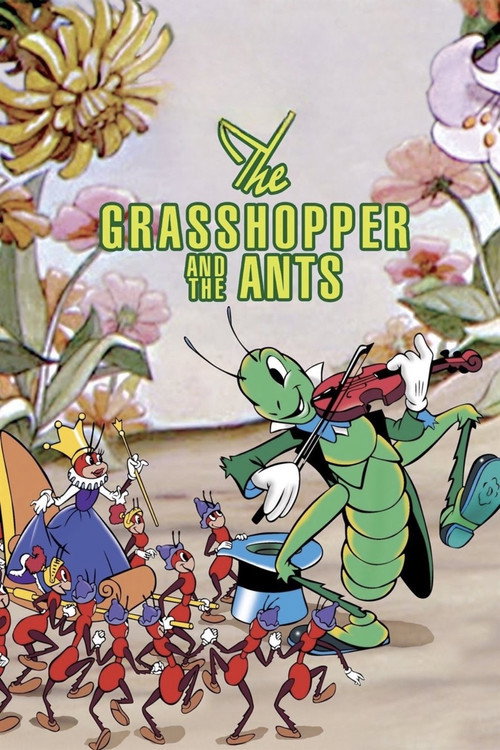
1934
1935
1955
No reviews yet. Be the first to share your thoughts on this movie!
Use the rating form above to leave a star rating and optional review.