
Tsatsiki
1999
No user ratings available yet
Diversity score: 5.1 out of 10

1981
Director
Vibeke Løkkeberg
Runtime
110 minutes
Average Rating
No ratings yetSynopsis
A young girl growing up in Bergen, Norway just after the 2nd world war, is trying to deal with the father's adultery and mother's deep depression, as she befriends a boy.
Overall Score
Fair
Category Breakdown
LGBTQ+ Representation
The film focuses on heteronormative family structures and traditional conflicts like adultery. There is no evidence of non-cisnormative identities or explicit critiques of heteronormativity.
Gender Representation
The narrative centers the female experience by prioritizing the interiority of its female characters. It subverts the stable matriarch trope by highlighting the mother's depression and the protagonist's agency.
Racial & Ethnic Diversity
Set in post-WWII Bergen, Norway, the film reflects the demographic homogeneity of the era. It functions as a localized study of Norwegian life without a multi-ethnic cast.
Religious & Cultural Diversity
The film critiques the sanctity of the family by portraying it as a site of trauma and betrayal. It favors psychological realism over traditionalist, infallible parental authority.
Disability Representation
The mother's deep depression is integrated into the central emotional landscape rather than used as a mere plot device. This provides a meaningful depiction of invisible disability.
Strengths
Areas for Improvement
AI Analysis
Kamilla is a character-driven study of post-war domesticity that succeeds through its psychological realism. It effectively subverts traditional gender roles by centering a young girl's perspective and exploring the complexities of maternal mental health. However, the film is limited by its historical and geographic specificity. The lack of racial or LGBTQ+ diversity reflects the demographic homogeneity of 1940s Norway, which prevents a more intersectional narrative. Ultimately, the film's strength lies in its willingness to deconstruct the idealized nuclear family, even if it remains within conventional social frameworks regarding identity.
1999
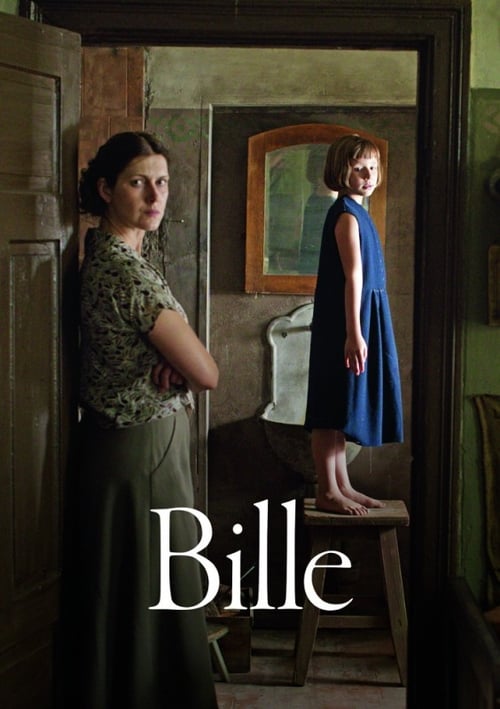
2018

2014
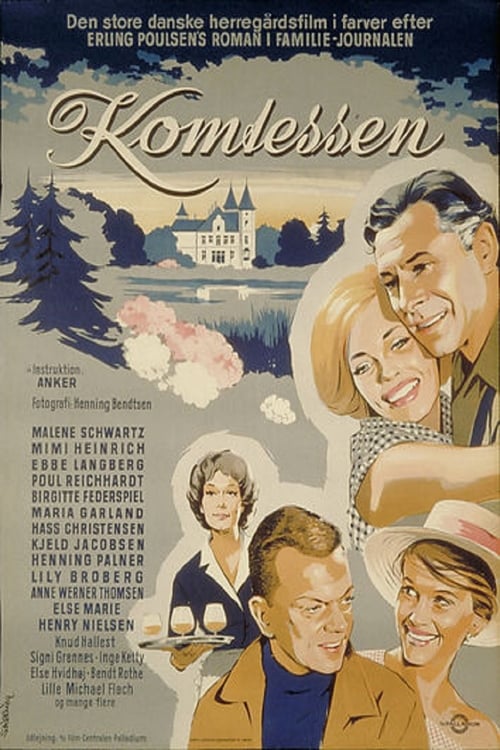
1961
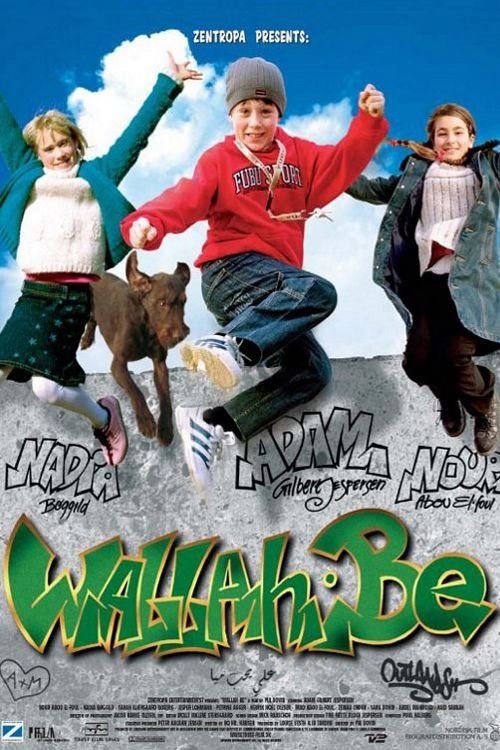
2002
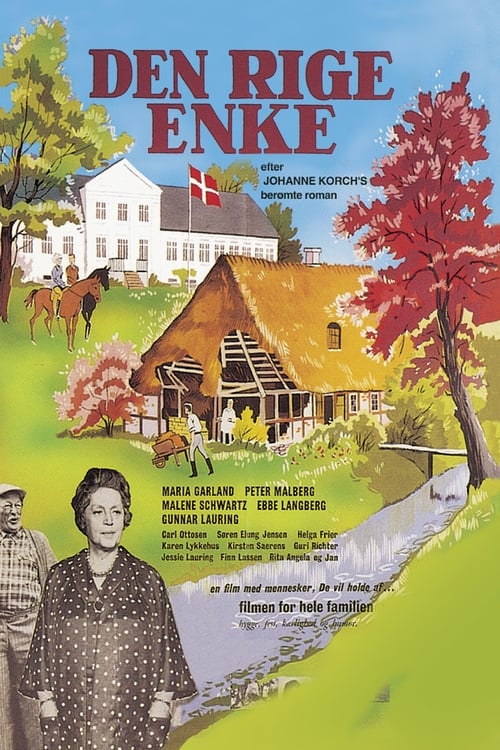
1962

1959
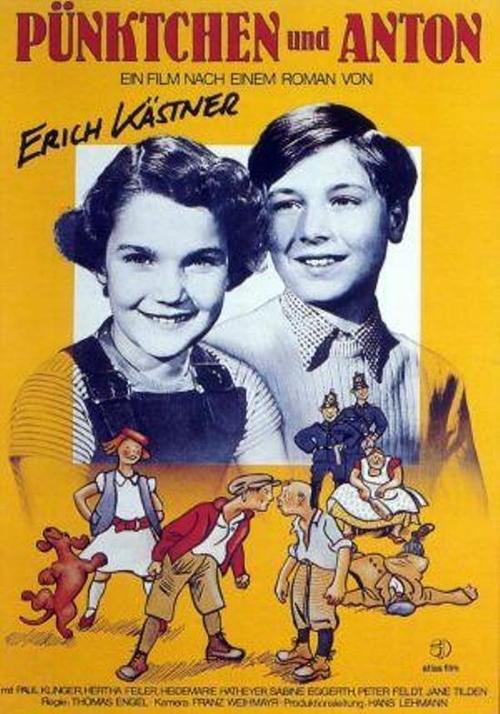
1953
No reviews yet. Be the first to share your thoughts on this movie!
Use the rating form above to leave a star rating and optional review.