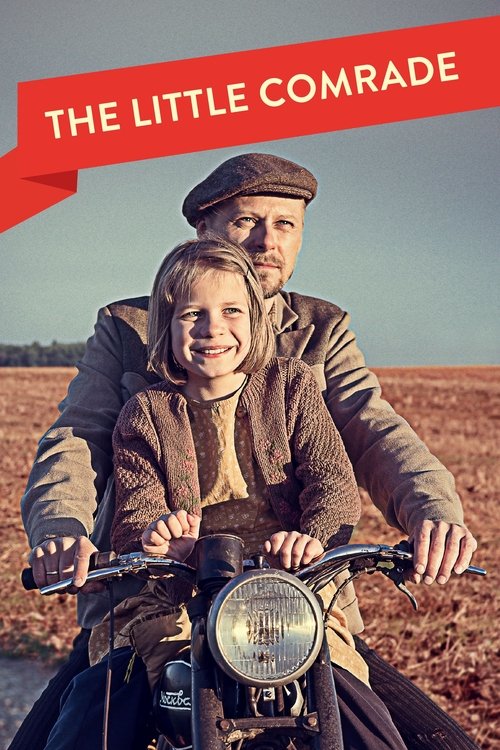
The Little Comrade
2018
No user ratings available yet
Representation score: 7.5 out of 10
Representation Score
Excellent
2014
Not RatedDirector
Maya Vitkova
Runtime
155 minutes
Average Rating
No ratings yetNew Showbiz Analysis
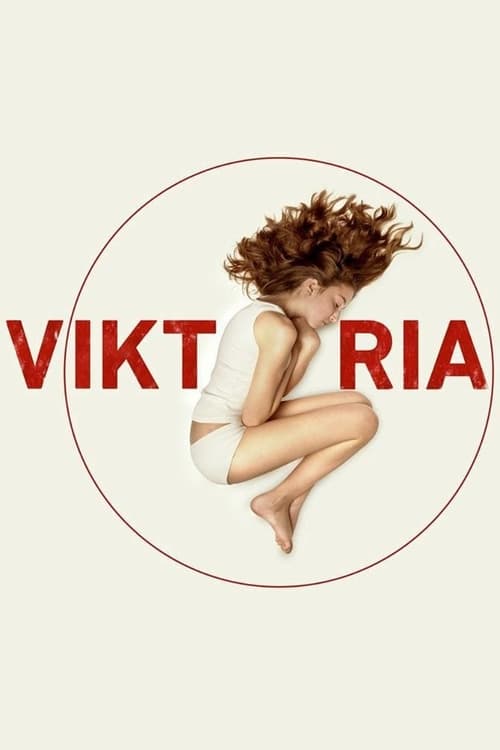
Viktoria is a sophisticated character study that examines the tension between individual autonomy and state control. By focusing on the relationship between a reluctant mother and her famous daughter, the film moves beyond typical family dramas to critique systemic influence. The film succeeds in offering a localized, Eastern Bloc perspective that challenges Western-centric historical narratives. Its strength lies in portraying the state as a corruptive force that attempts to co-opt personal identity for political symbolism. However, the film lacks representation for LGBTQ+ characters and provides limited clarity regarding the protagonist's ability to drive the story over her unique physical condition. The narrative remains heavily focused on the specific socio-political context of Bulgaria.
Category Breakdown
The film does not include any explicit LGBTQ+ characters or identities. The story focuses on the protagonist's biological uniqueness and the maternal bond.
The film challenges traditional gender clichés by depicting a mother's resistance to state-mandated roles. It portrays the female experience as a site of political struggle rather than a domestic ideal.
Set in communist Bulgaria, the film provides a non-Western perspective. Although the cast is ethnically uniform, it offers a departure from Anglo-centric cinema.
The story critiques how state structures commodify human life. It explores the instability of life during the collapse of communism and the disruption of the family unit.
Viktoria's lack of a belly button is central to her identity and notoriety. However, it is unclear if this physical trait is considered a disability or a symbolic device.
Present on Screen
Limited or Absent
Official Synopsis
Dreaming of the West, Boryana is determined not to have a child in communist Bulgaria. Nonetheless, her daughter Viktoria enters the world in 1979, curiously missing a belly button, and is declared the country’s Baby of the Decade. Pampered by her mother state until the age of nine, Viktoria’s decade of notoriety comes crashing down with the rest of European communism. But can political collapse and the hardship of new times finally bring Viktoria and her reluctant mother closer together
2018
1985
2013

1995
2014
2019
1961

1965
No reviews yet. Be the first to share your thoughts on this movie!
Use the rating form above to leave a star rating and optional review.