
Fia og klovnene
2003
No user ratings available yet
Representation score: 8.5 out of 10
Representation Score
Excellent
2018
Director
Ināra Kolmane
Runtime
100 minutes
Average Rating
No ratings yetNew Showbiz Analysis
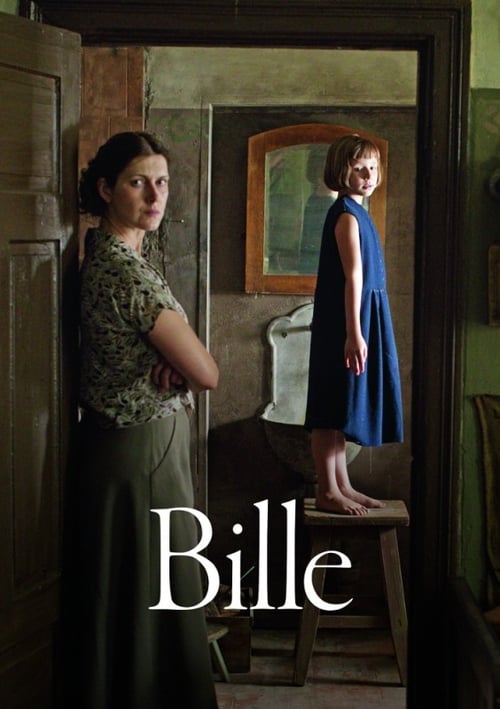
Bille is a character-driven drama that finds its strength in challenging the idea of a stable, nurturing family. By focusing on a child's perspective, the film elevates a underrepresented viewpoint to drive the story's moral complexity. The film excels at deconstructing traditional hierarchies, particularly regarding gender and family structures. It uses the protagonist's vivid imagination to provide a sense of control against a restrictive and unappreciative adult world. While the film offers a nuanced look at individual identity, it remains limited by its period setting and a lack of explicit representation for LGBTQ+ identities. The focus remains primarily on the internal struggle of a single, extraordinary child.
Category Breakdown
The film does not explicitly depict LGBTQ+ identities or non-straight relationships. However, it avoids using derogatory stereotypes typical of its period setting.
The story centers on a young female protagonist with superior spiritual and intellectual depth. It challenges patriarchal stability by portraying the adult male-dominated world as ignorant and contradictory.
Set in the late 1930s, the film likely reflects the specific demographic realities of its Baltic context. It prioritizes the struggle of a underrepresented individual over homogeneous social norms.
The narrative critiques the traditional family institution by depicting the protagonist's relatives as unappreciative. It emphasizes psychological autonomy and imagination over rigid social or religious conformity.
The protagonist's extraordinary and lonely nature may serve as a metaphor for neurodivergence. The film centers on a character whose internal cognitive processing differs from societal norms.
Present on Screen
Limited or Absent
Official Synopsis
A family film based on the book Bille by Vizma Belševica. An extraordinary, lonely yet spiritually strong little girl attempts to comprehend the adult world, which in her eyes is very contradictory, and to prove her own value despite the ignorance and lack of appreciation by her family in late 1930s. Bille tries to find an escape in her vivid imagination.
2003

1999

1980
2017
1980
2015
2014

1981
No reviews yet. Be the first to share your thoughts on this movie!
Use the rating form above to leave a star rating and optional review.