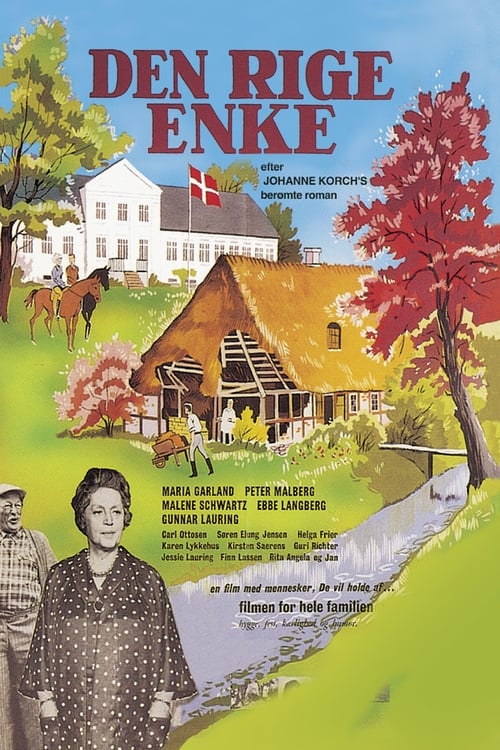
Den rige enke
1962
No user ratings available yet
Representation score: 1.3 out of 10
Representation Score
Minimal
1961
Director
Anker Sørensen
Runtime
93 minutes
Average Rating
No ratings yetNew Showbiz Analysis
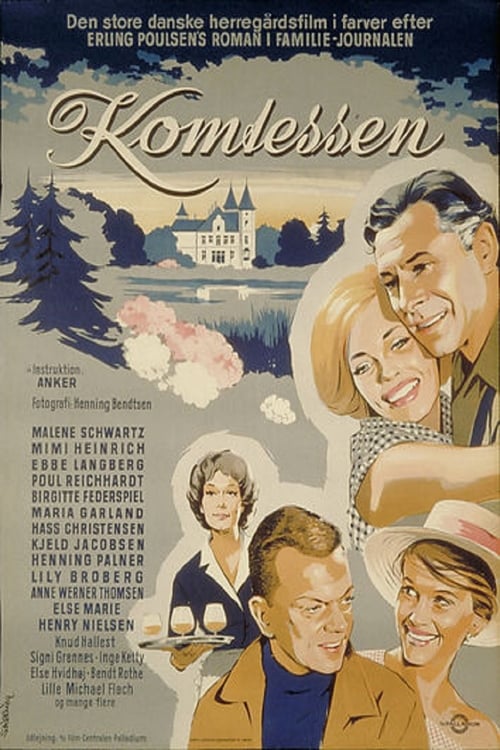
Komtessen is a traditional period drama that emphasizes established social hierarchies and conventional family structures. While it centers on female experiences, it does so within a rigid mid-century framework. The film explores the divide between the landed nobility and the working class but reinforces rather than challenges the status quo. It lacks the complexity or subversion needed for a higher progressive rating. Ultimately, the narrative focuses on lineage and social proximity, reflecting the demographic homogeneity typical of its era.
Category Breakdown
The story follows traditional structures centered on marriage and family lineage. It does not include non-straight or non-cisgender identities or critiques of the assumption that everyone is straight or cisgender.
Women play key roles in the emotional storyline through themes of motherhood and female friendship. However, they primarily operate within the domestic roles and social constraints of the time.
The setting indicates a highly homogeneous society focused on local class differences. The film does not show diverse racial or ethnic backgrounds.
The story examines the class divide between the aristocracy and the working class. It leans towards traditional melodrama rather than a critical look at social institutions.
The film does not provide any information about characters with physical, sensory, or neurodivergent disabilities.
Present on Screen
Limited or Absent
Official Synopsis
In the village Karrild, the Countess Sonia Hardenborg and a young unmarried woman, Marta, give birth to a daughter on the same day. Marta dies after birth, so Marta's daughter, Betina, come under the care of the countess. 17 years later, Betina and Countess Sonia's daughter, Maria, meet, as Betina is living in a home for orphaned girls, which is adjacent to the Hardenborg estate. The two girls become friends, and Maria invites Betina to visit her at Hardenborg, to greet her parents Sonia and Otto Hardenborg and her brother Count Flemming. Meanwhile, Betina's father, Frank Jensen, starts working in the estate's woods, and when the two girls come to visit him, he is shocked by the resemblance between the young countess and Betina's mother Marta.
1962
2015
1960
1985
1981

1982
1949
1959
No reviews yet. Be the first to share your thoughts on this movie!
Use the rating form above to leave a star rating and optional review.