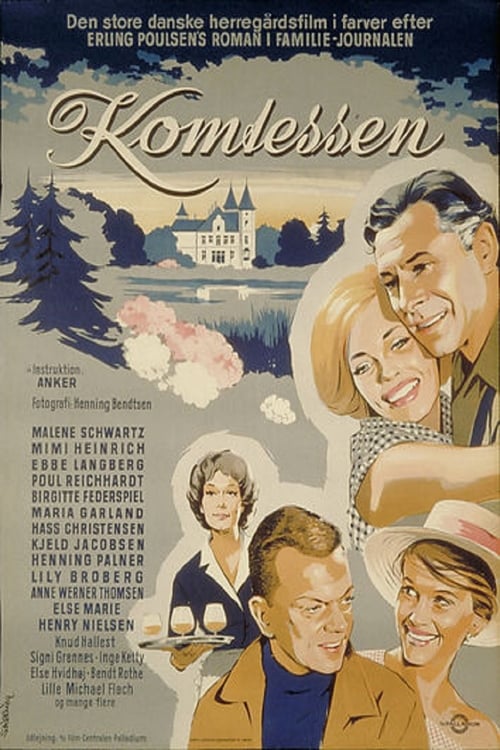
Komtessen
1961
No user ratings available yet
Representation score: 1.8 out of 10
Representation Score
Minimal
1962
Director
Jon Iversen
Runtime
87 minutes
Average Rating
No ratings yetNew Showbiz Analysis
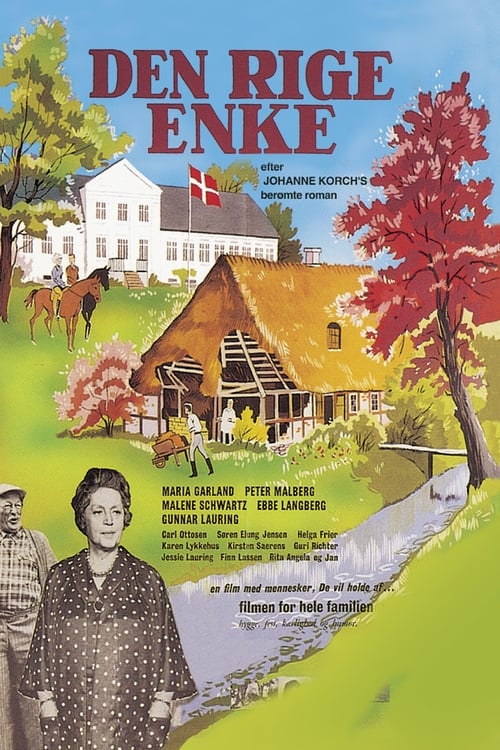
Den rige enke is a traditional mid-century Danish family drama that emphasizes domestic stability and social hierarchy. The plot revolves around maternal control, marital choices, and the eventual reunion of a fractured family unit. The film lacks diversity and adheres closely to the social and narrative structures of its time, offering little challenge to traditional norms. Ultimately, the work reinforces established class and gendered power dynamics through its resolution.
Category Breakdown
The story centers on heterosexual marriages and traditional romantic relationships. There is no indication of LGBTQ+ themes or non-binary identities in the plot.
Women play key roles in driving the emotional stakes through their influence in the home and family life. However, the story reinforces traditional gender roles by emphasizing the restoration of the conventional family structure.
The film appears ethnically uniform, reflecting its 1962 Danish setting. The narrative focuses on local social classes without any indication of diverse racial backgrounds.
The plot upholds conservative Western values concerning family unity and social order. It operates within established class structures without challenging them.
The narrative does not include any characters with visible or invisible disabilities.
Present on Screen
Limited or Absent
Official Synopsis
Ellekjær's future is on Ann-Marie's mind. She tries to get her adopted daughter, Grete, married to Erik von der Rude, but Grete loves the farmhand Jørgen. They decide to get married, after which Annemarie disowns Grete. However, Ann-Marie's other daughter, Elin, is in love with Erik. Erik's past in Copenhagen catches up with him, and Elin moves in with her sister. The film then goes through a series of complications before Elin and Erik can finally get married and Ann-Marie is reunited with her daughters.
1961
1991
1952
1969
1960
1960
1954

2014
No reviews yet. Be the first to share your thoughts on this movie!
Use the rating form above to leave a star rating and optional review.