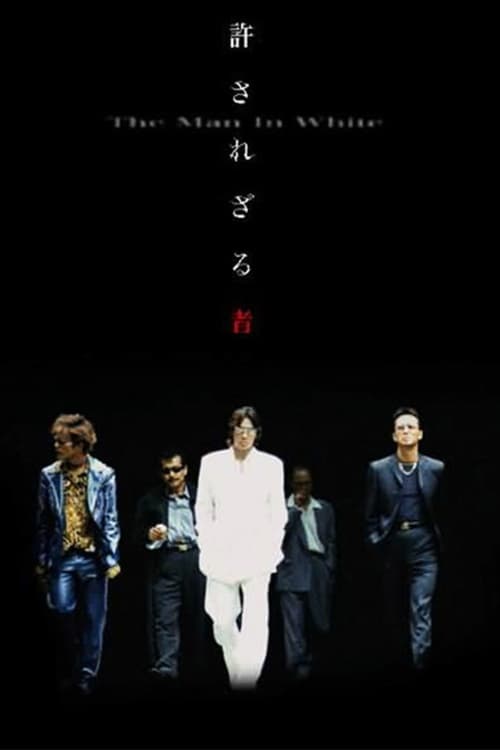
The Man in White
2003
No user ratings available yet
Representation score: 6.6 out of 10

Representation Score
Fair
1998
Director
Kichitaro Negishi
Runtime
123 minutes
Average Rating
No ratings yetNew Showbiz Analysis
Bonds is a gritty crime drama that delves into the lives of underrepresented individuals without overt social messaging. While it adheres to many traditional genre clichés, it offers depth by challenging the typical masculine gangster archetype and the traditional family unit. The film's strength lies in its nuanced exploration of morality, presenting a complex protagonist rather than a one-dimensional villain. However, the narrative remains largely conventional in its demographic makeup and gender dynamics. Ultimately, the work examines personal ability to act and identity through a lens of social disruption, even while operating within a relatively homogeneous social framework.
Category Breakdown
The film does not explicitly depict queer identities or include non-straight characters. The story centers on the protagonist's friendships and their wives.
Women play important roles in advancing the plot, but the main characters who take control of the story are male. The narrative follows a traditional crime-drama structure focused on a male protagonist.
The cast is predominantly homogeneous, reflecting the Japanese setting. The story focuses on social hierarchies within the community rather than ethnic or racial diversity.
The film criticizes traditional structures by portraying the family unit as oppressive. It emphasizes individual survival and moral relativism over state-sanctioned morality.
There is no documented depiction of physical or neurodivergent disabilities within the narrative.
Present on Screen
Limited or Absent
Official Synopsis
Tetsuro Haga is a troubled gangster, living under the assumed identity Ise for ten years, to escape jail for gunning down his cruel adoptive father. His life begins to unravel when a journalist following him takes an interest in the wife of a boyhood chum, and the wife of another close friend takes an interest in Ise. A couple of murders later, Ise/Haga goes on the run and also sets out for revenge.
2003
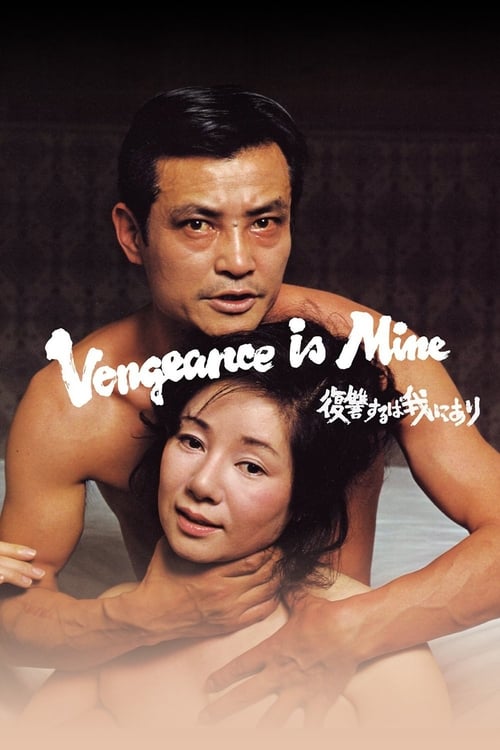
1979
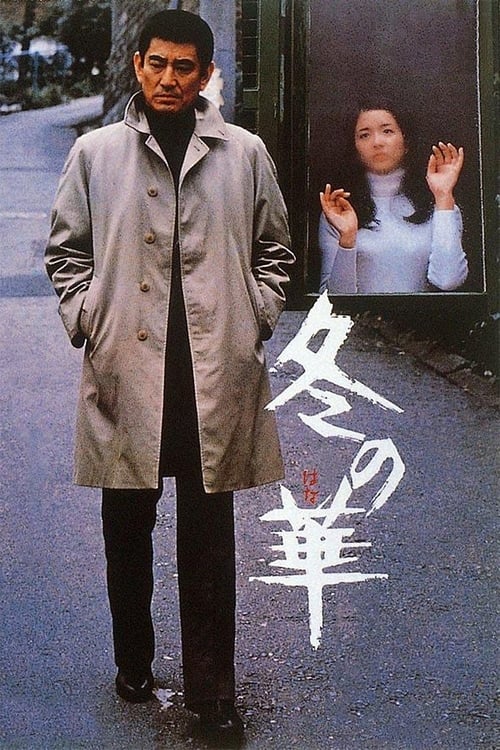
1978
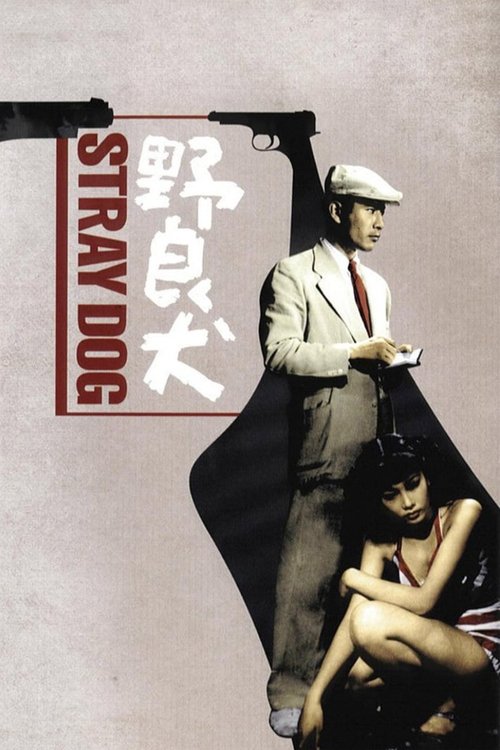
1949
1975
2018

2019
1971
No reviews yet. Be the first to share your thoughts on this movie!
Use the rating form above to leave a star rating and optional review.