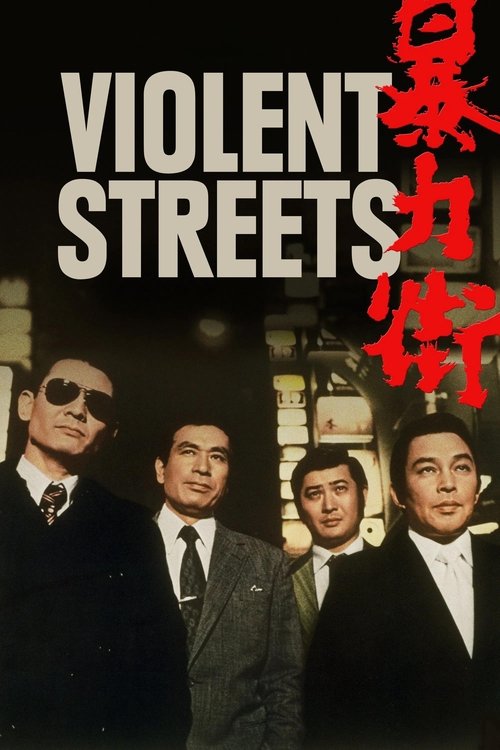
Violent Streets
1974
No user ratings available yet
Representation score: 5.2 out of 10
Representation Score
Minimal
1971
NRDirector
Hideo Gosha
Runtime
131 minutes
Average Rating
No ratings yetNew Showbiz Analysis
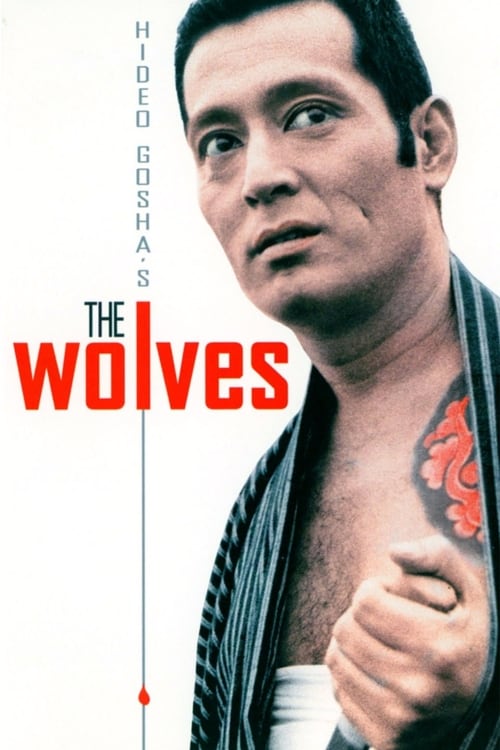
Hideo Gosha’s *The Wolves* is a period crime drama that centers on traditional masculine narratives and historical realism. The film focuses on the cyclical nature of violence within criminal syndicates, emphasizing masculine honor and retribution. While the film stays true to the historical accuracy of its Edo-period setting, it does not incorporate modern approaches to diversity. The storytelling relies on established genre clichés rather than disrupting conventional social hierarchies. Ultimately, the work studies individual ability to act within rigid social structures but offers limited complexity in identity-based storytelling.
Category Breakdown
The film focuses on masculine competition and does not include any characters with non-traditional gender identities or narratives that challenge the assumption that everyone is straight or cisgender.
The story emphasizes masculine leadership and martial skills. Women play minor roles that support traditional patriarchal hierarchies rather than challenge them.
Set in feudal Japan, the cast is ethnically uniform, reflecting the historical context and social constraints of the time.
The film examines the erosion of traditional loyalty and depicts underworld lawlessness through gang politics. It does not explore deeper cultural or moral issues.
There are no characters with visible or invisible disabilities who are central to the narrative or have significant control over their own lives.
Present on Screen
Limited or Absent
Official Synopsis
After going to prison for killing the boss of the Kanno gang, Seji Iwahashi gets released early -- only to find that his former gang has merged with the Kannos. But with bitter resentments lingering on both sides, how long will it be before the bloodshed begins anew?
1974

1979
1978
2000
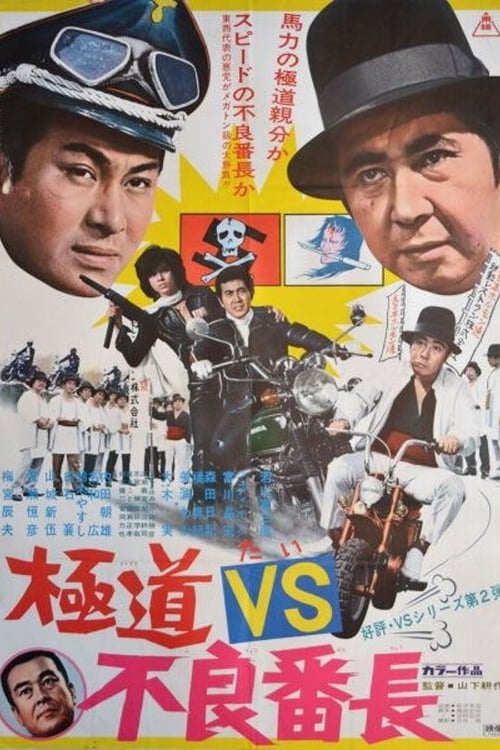
1974
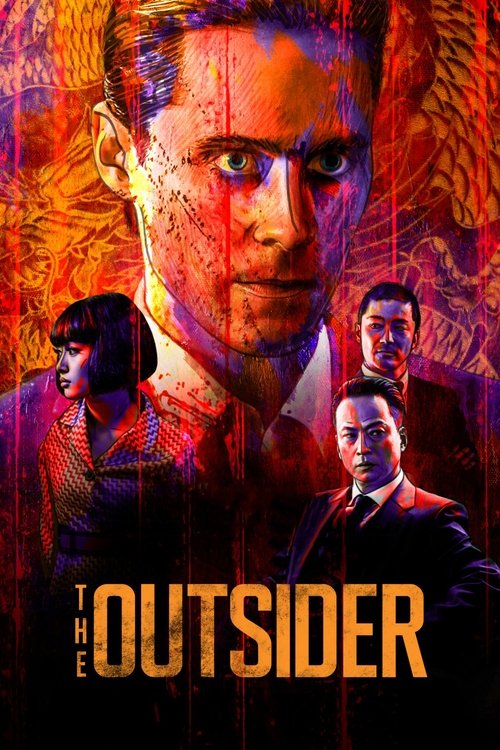
2018
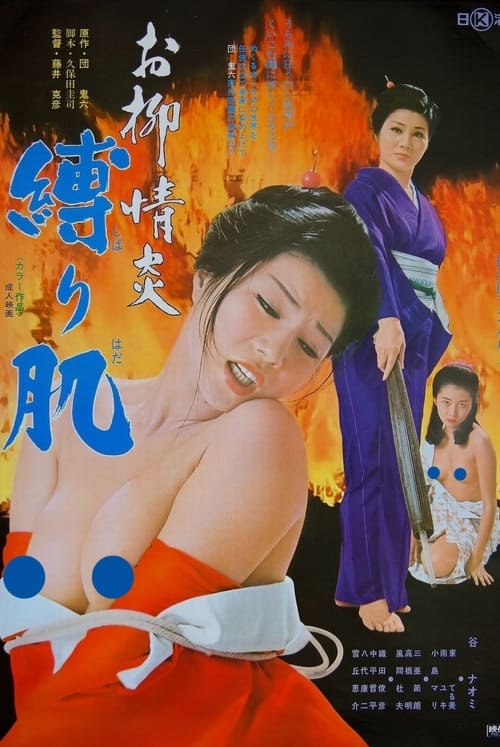
1975

1998
No reviews yet. Be the first to share your thoughts on this movie!
Use the rating form above to leave a star rating and optional review.