
Agitator
2001
No user ratings available yet
Representation score: 2.2 out of 10
Representation Score
Good
2003
Director
Takashi Miike
Runtime
95 minutes
Average Rating
No ratings yetNew Showbiz Analysis
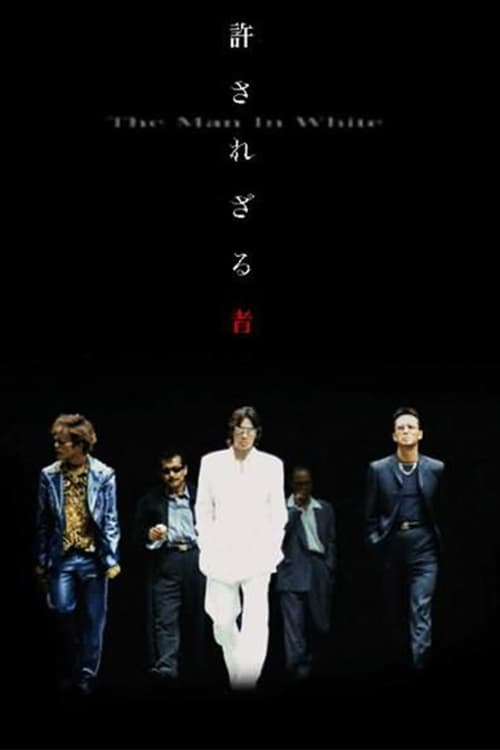
The Man in White is a crime drama that prioritizes the deconstruction of traditional power structures over diverse character representation. While it lacks breadth in gender and LGBTQ+ identities, it excels in cultural critique. The film uses the Yakuza structure to challenge institutional stability and moral absolutes. This thematic depth provides a sophisticated look at social stratification, even within a largely homogeneous cast. Ultimately, the film's strength lies in its subversion of social structures rather than its demographic variety.
Category Breakdown
The film does not include any explicitly LGBTQ+ characters or explore non-straight relationships. The story focuses on traditional masculine roles within a Yakuza revenge plot.
The story centers around male-dominated spaces and male-driven conflicts. There is a noticeable lack of prominent female influence, suggesting a focus on traditional male power structures.
As a Japanese production, the cast is ethnically uniform. However, it offers a nuanced look at identity through specific Japanese social and cultural contexts.
The film critiques traditional institutions by challenging the sanctity of established social and legal orders. It explores complex ethical dilemmas rather than adhering to state-sanctioned morality.
There is no clear depiction of characters with physical or neurodivergent disabilities. The focus on the protagonist's psychological state does not constitute meaningful disability representation.
Present on Screen
Limited or Absent
Official Synopsis
After his father figure - a yakuza boss, is murdered, Azusa Moribe goes on a killing spree to exact revenge.
2001

1979

1998

1973

2019

1995

2006

2023
No reviews yet. Be the first to share your thoughts on this movie!
Use the rating form above to leave a star rating and optional review.