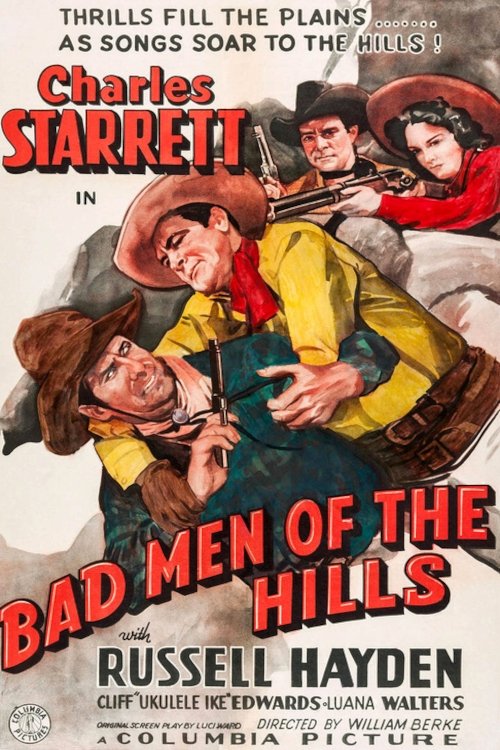
Bad Men of the Hills
1942
No user ratings available yet
Diversity score: 1.6 out of 10
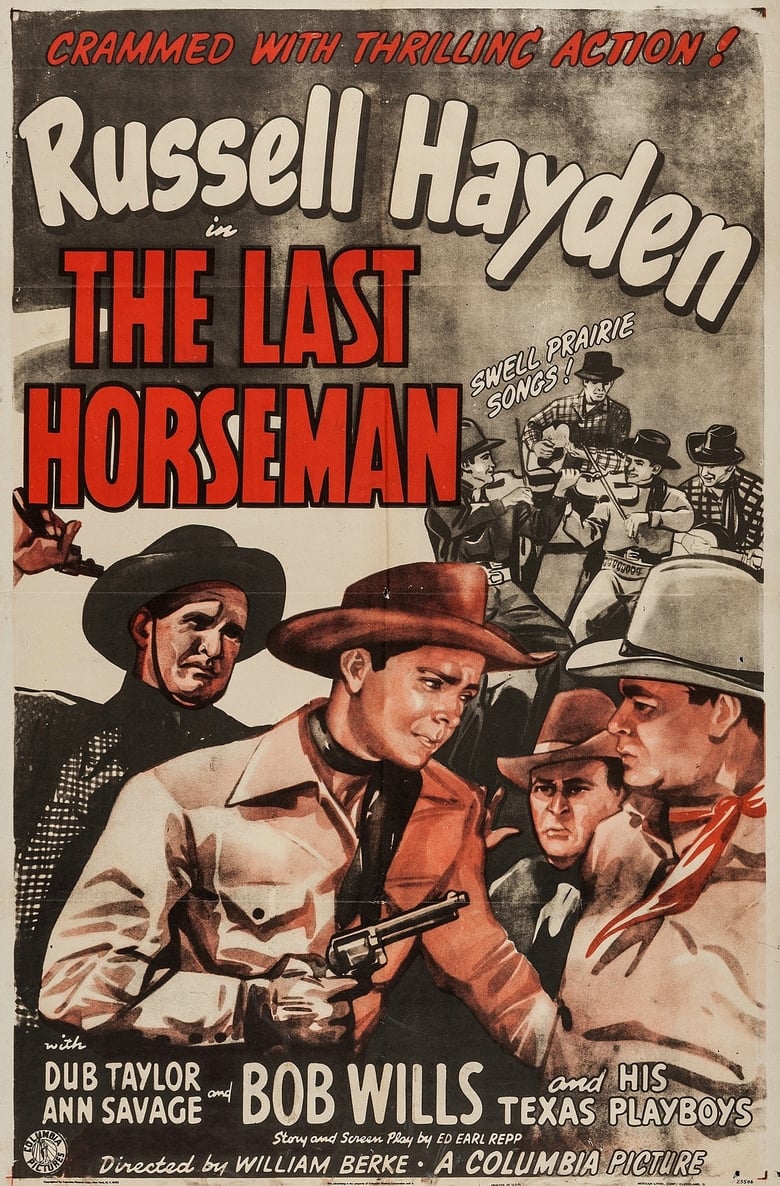
1944
PassedDirector
William Berke
Runtime
54 minutes
Average Rating
No ratings yetSynopsis
Former Hopalong Cassidy sidekick Russell Hayden retains his nickname of Lucky in this average entry in his short-lived starring series for Columbia.
Overall Score
Minimal
Category Breakdown
LGBTQ+ Representation
The film contains no evidence of queer narratives or non-heteronormative identities. It adheres to the heteronormative social structures typical of 1944 production standards.
Gender Representation
Female characters likely occupy passive roles or serve as secondary moral anchors. The film reinforces traditional gender hierarchies and domesticity rather than subverting masculine leadership.
Racial & Ethnic Diversity
The narrative likely centers on a homogeneous white protagonist. It reflects the era's standard of Western exceptionalism, often utilizing reductive tropes regarding Indigenous populations.
Religious & Cultural Diversity
The story adheres to traditional Western values like frontier justice and clear moral binaries. It lacks the moral relativism found in more modern, deconstructive narratives.
Disability Representation
There is no documented evidence of characters with disabilities portrayed with agency. Disability is absent or used as a superficial plot device rather than a central driver.
Strengths
Areas for Improvement
AI Analysis
The Last Horseman is a conventional mid-century Western that functions within the standardized studio system of 1940s Columbia Pictures. It prioritizes established genre archetypes and formulaic storytelling over social commentary or narrative experimentation. The film reinforces traditional social hierarchies and Western cultural norms. It lacks intersectional complexity, focusing instead on the rigid moral binaries and patriotism characteristic of the era's B-movie circuit. Ultimately, the production reflects the era's limitations, offering a standard genre entry that avoids systemic critique or diverse character agency.
1942
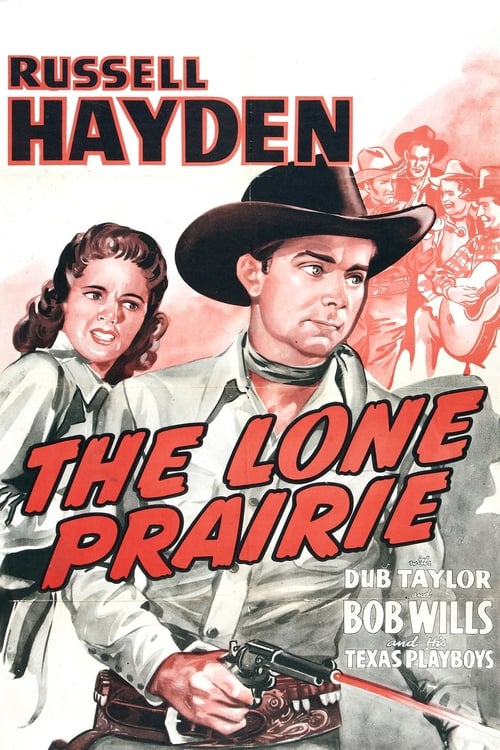
1942
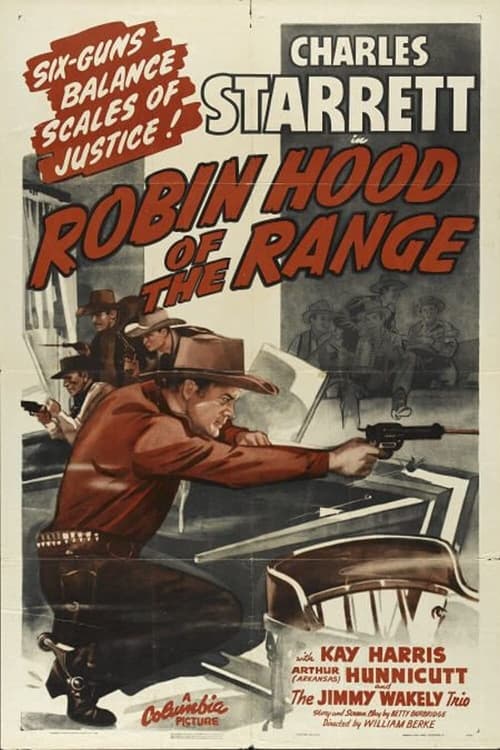
1943
1943
1944

1944
1943
1948
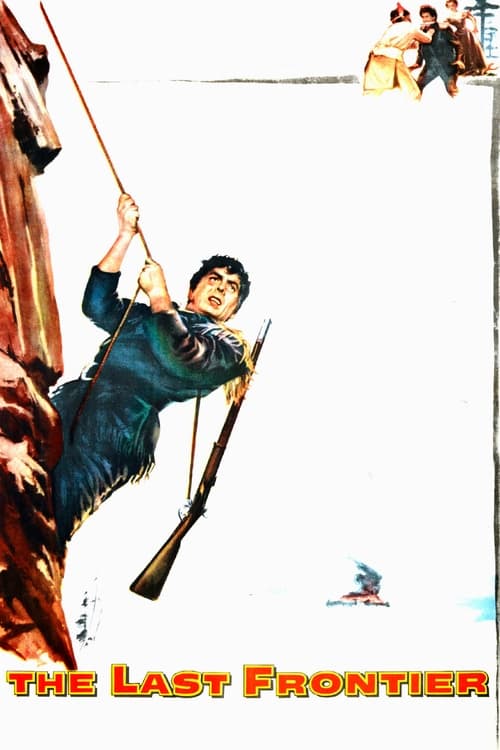
1955
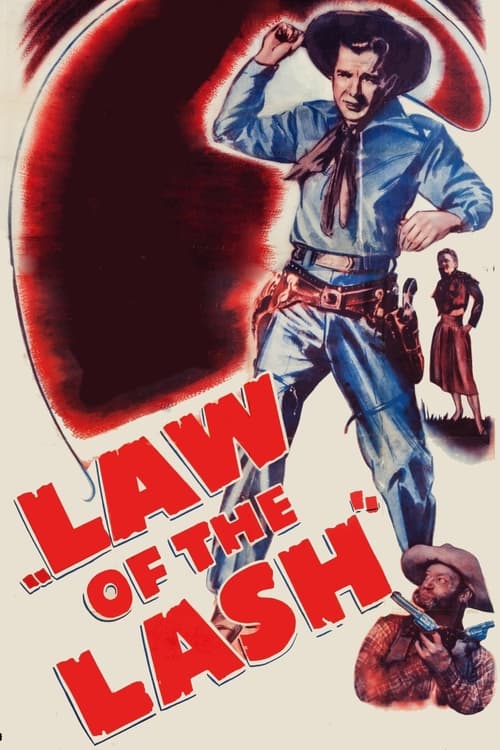
1947
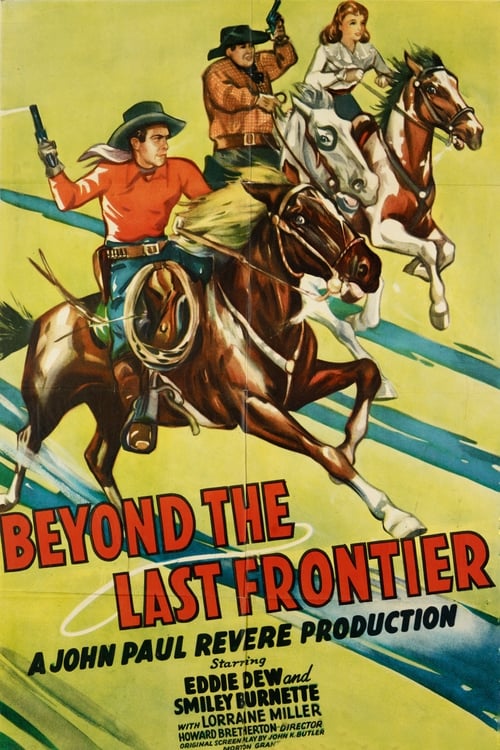
1943
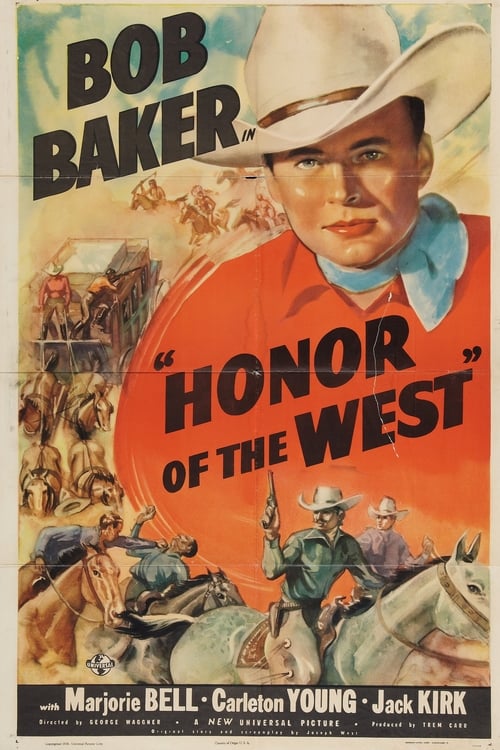
1939
No reviews yet. Be the first to share your thoughts on this movie!
Use the rating form above to leave a star rating and optional review.