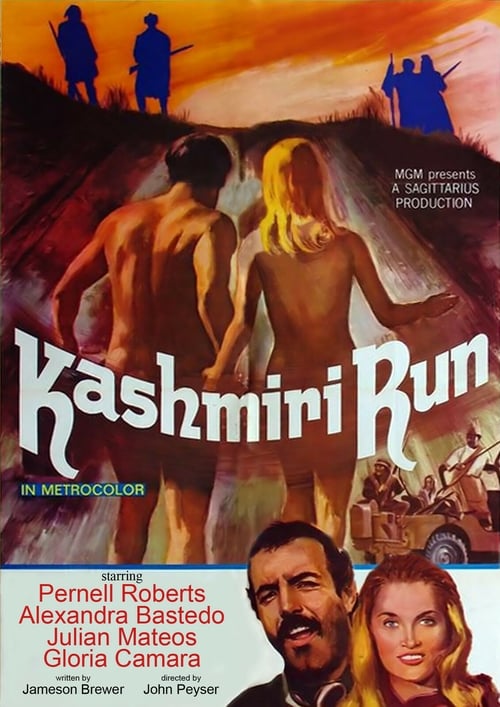
The Kashmiri Run
1969
No user ratings available yet
Representation score: 4.0 out of 10
Representation Score
Limited
1955
NRDirector
Edward Dmytryk
Runtime
87 minutes
Average Rating
No ratings yetNew Showbiz Analysis
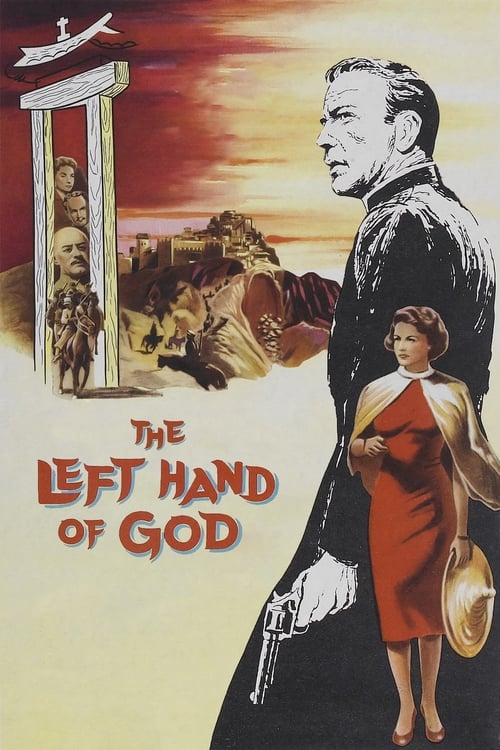
The Left Hand of God is a period drama centered on the conflict between individual identity and religious institutionalism. It uses the chaos of 1947 China to explore how personal truths clash with societal expectations. While the film challenges religious hierarchies, it remains anchored in a Western-centric perspective. The narrative focuses heavily on the internal moral struggle of the male protagonist, often relegating other characters to supporting roles. Ultimately, the film offers a study of ability to act against rigid structures, though it lacks the explicit characters who reflect more than one aspect of diversity found in modern cinema.
Category Breakdown
The film hints at identity tension through a protagonist who feels uncomfortable with his clerical duties. While no non-straight relationships are explicitly confirmed, the subtext suggests a disruption of traditional roles.
Anne serves as a professional mission nurse, providing a degree of ability to act. However, her characterization as an 'attractive war widow' suggests a reliance on traditional cinematic clichés.
Set during the Chinese Civil War, the film utilizes a non-Western backdrop of political upheaval. The narrative focus remains primarily on the expatriate missionary experience rather than local ability to act.
The story deconstructs religious institutionalism by portraying a priest who challenges his own station. It explores the friction between personal truth and the stability of established social orders.
There is no evidence regarding the portrayal of physical or neurodivergent disabilities in this production.
Present on Screen
Limited or Absent
Official Synopsis
A man in priestly robes, seemingly the long-awaited Father O'Shea, arrives at a little-frequented Catholic mission in 1947 China. Though the man seems curiously uncomfortable with his priestly duties, his tough tactics prove very successful in the Seven Villages, as around them China disintegrates in civil war and revolution. But he has a secret, and his friendship with mission nurse Anne (an attractive war widow) seems to be taking on an unpriestly tone.
1969

1966

1947
1961
1955
1956

1962
1955
No reviews yet. Be the first to share your thoughts on this movie!
Use the rating form above to leave a star rating and optional review.