Maddalena
1971
No user ratings available yet
Representation score: 3.3 out of 10
Representation Score
Limited
1961
Not RatedDirector
Jean-Pierre Melville
Runtime
118 minutes
Average Rating
No ratings yetNew Showbiz Analysis
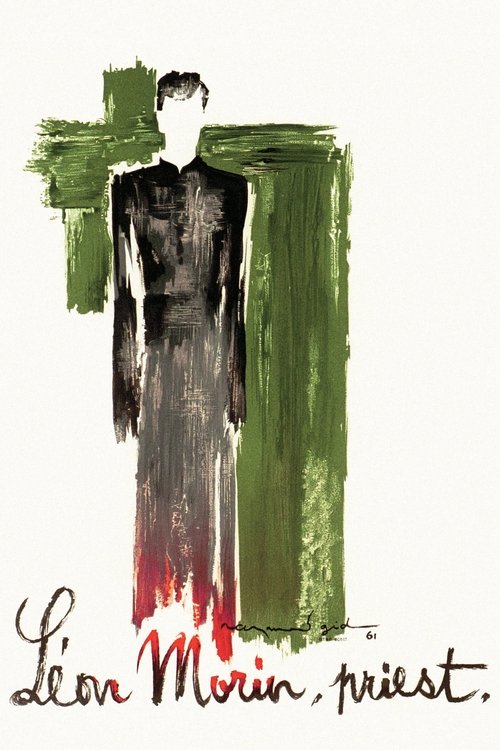
Léon Morin, Priest is a cerebral drama that prioritizes theological and existential debates over broad demographic representation. It successfully challenges institutional authority, using a Marxist woman to question a priest's spiritual certainty. This results in a sophisticated critique of Western religious structures. However, the film's focus is narrow. It centers on the internal moral struggles of the dominant social group during wartime, leaving minority identities as external pressures rather than central agents. Gender dynamics, while intellectually active, still revolve around a male protagonist's crisis. Ultimately, the film's strength lies in its cultural and systemic critique rather than its representation of diverse identities. It is a study of moral relativism that challenges traditional hierarchies through dialogue.
Category Breakdown
The film does not include any LGBTQ+ characters or narratives. The central tension revolves around the intellectual and theological interactions between a man and a woman.
The film avoids portraying women as passive characters by having Barny act as an intellectual catalyst. Although she plays a significant role, the story remains centered on the male experience of spiritual crisis.
The cast is predominantly white, set against the backdrop of Nazi-occupied France. While it recognizes Jewish victimization, the narrative focuses on the internal struggles of the dominant social group.
The film provides a sophisticated critique of religious institutionalism. It suggests that rigid dogma can impede true morality, favoring situational ethics over strict adherence to religious law.
There are no significant depictions of physical or neurodivergent disabilities within the main storyline.
Present on Screen
Limited or Absent
Official Synopsis
Barny, although a Marxist, is intrigued by the mysteries of religion. In confession, she teases a priest, Léon Morin, but he is a young and intelligent man and ready to discuss anything.
1971
1945
1985
1980
1971
1959
1970
1995
No reviews yet. Be the first to share your thoughts on this movie!
Use the rating form above to leave a star rating and optional review.