Letter Never Sent
1960
No user ratings available yet
Representation score: 2.4 out of 10
Representation Score
Limited
1969
RDirector
John Peyser
Runtime
99 minutes
Average Rating
No ratings yetNew Showbiz Analysis
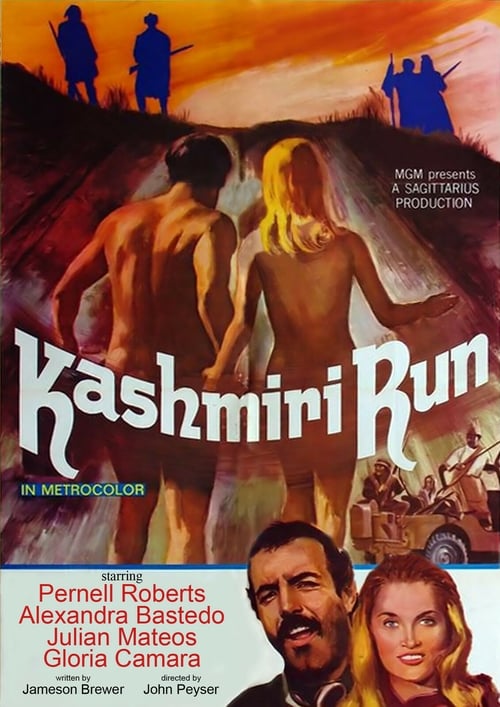
The Kashmiri Run operates within the conventional adventure frameworks typical of the late 1960s. While the geopolitical setting offers a canvas for ethnic and cultural diversity, the film lacks intentional challenges to systemic power structures. The narrative structure prioritizes a Western-centric journey through Tibet. This focus limits the depth of representation for local populations and diverse identities, keeping the overall score in a moderate range. Ultimately, the film reflects the social and cinematic constraints of its era, focusing more on survival and geopolitical friction than on progressive character development.
Category Breakdown
The film does not explicitly depict non-straight or non-cisgender identities or same-sex relationships. The story focuses on a group of friends and an American adventurer, suggesting a traditional focus on straight relationships.
Leadership roles are centered around an American adventurer and a group of friends. The narrative does not show women taking significant control or challenge the gender roles of the 1960s.
The Himalayan setting requires engagement with non-Western populations. However, the film does not confirm a non-white majority cast or give significant roles to local Tibetan characters.
The story involves geopolitical tensions between Chinese communism and local sovereignty. It follows the adventure cliché of a Western protagonist navigating foreign territories.
There is no mention of characters with visible or invisible disabilities. There is no information about neurodivergence or physical impairments within the cast.
Present on Screen
Limited or Absent
Official Synopsis
One step ahead of Chinese communists, a couple of friends hook up with an American adventurer who promises to lead them safely out of Tibet through the Himalayas.
1960

1957
1956
1959
1952

1997
1960
1955
No reviews yet. Be the first to share your thoughts on this movie!
Use the rating form above to leave a star rating and optional review.