
The Death of Salvador Dali
2005
No user ratings available yet
Diversity score: 4.6 out of 10
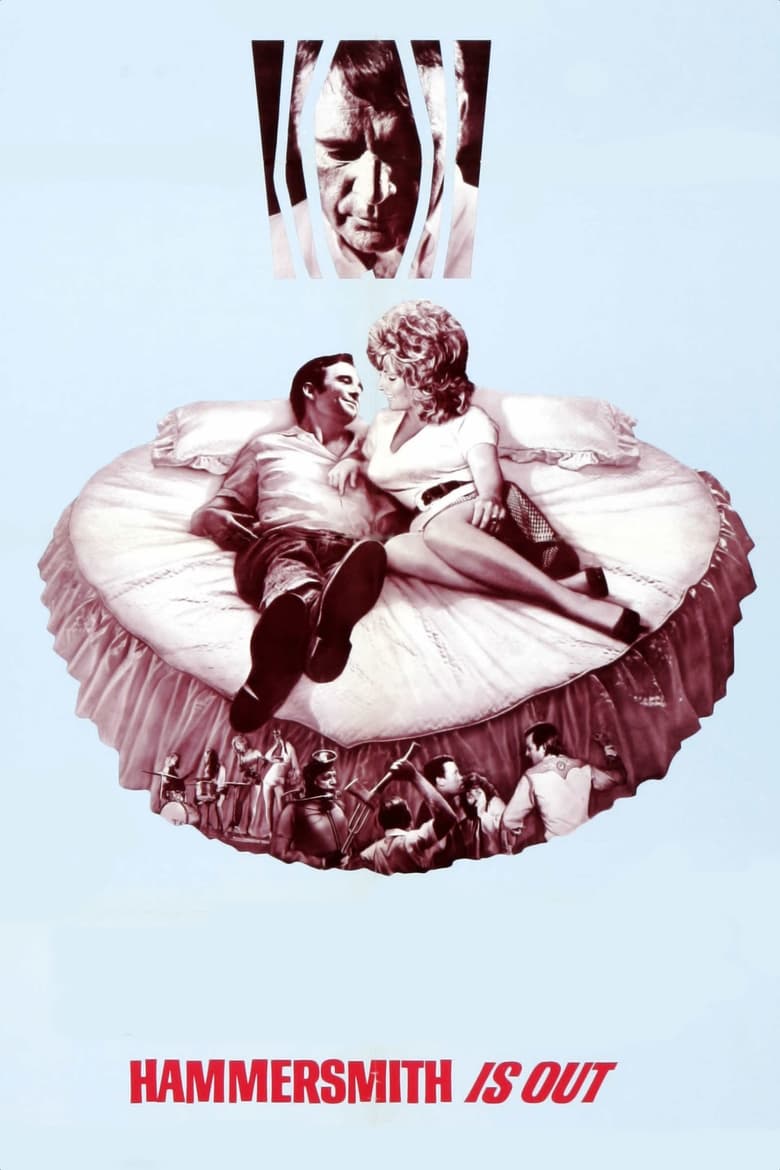
1972
RDirector
Peter Ustinov
Runtime
108 minutes
Average Rating
No ratings yetSynopsis
The Faust legend retold (loosely) and applied to a mentally disturbed patient in a hospital run by a doctor of dubious sanity himself. The patient offers the innocent orderly vast riches if he'll help him escape.
Overall Score
Fair
Category Breakdown
LGBTQ+ Representation
The narrative focuses on a power struggle involving a patient, an orderly, and a doctor. There is no explicit evidence of non-heteronormative identities or critiques of heteronormativity.
Gender Representation
The story centers on a male-dominated dynamic between the patient, the doctor, and the orderly. The text provides no evidence of significant female agency or gender-based hierarchy disruption.
Racial & Ethnic Diversity
Specific casting data is unavailable to verify the presence of a non-Anglo-Saxon majority. The 1972 setting suggests a traditional casting approach, though no specific evidence of stereotyping is present.
Religious & Cultural Diversity
The film disrupts traditional views of institutional stability by portraying the hospital administration as dubious. The Faustian theme suggests a move toward subjective morality and deconstructed truth.
Disability Representation
Mental health and neurodivergence are central to the plot through the character of a mentally disturbed patient. The narrative shows a preoccupation with psychiatric themes.
Strengths
Areas for Improvement
AI Analysis
Hammersmith Is Out utilizes a Faustian myth to explore the blurred lines between institutional authority and individual madness. The film centers on a psychiatric setting where the doctor's own sanity is called into question, creating a landscape of moral ambiguity. While the film engages with the complexities of mental health, it lacks documented intersectional depth. The narrative structure remains rooted in traditional mid-century dramatic tropes, focusing more on psychological instability than on diverse demographic representation. Ultimately, the film functions as a humanist satire. It challenges the infallibility of Western institutions but does not provide evidence of intentional demographic subversion or progressive identity-focused advocacy.
2005

1981
2013
2000
1959

1969
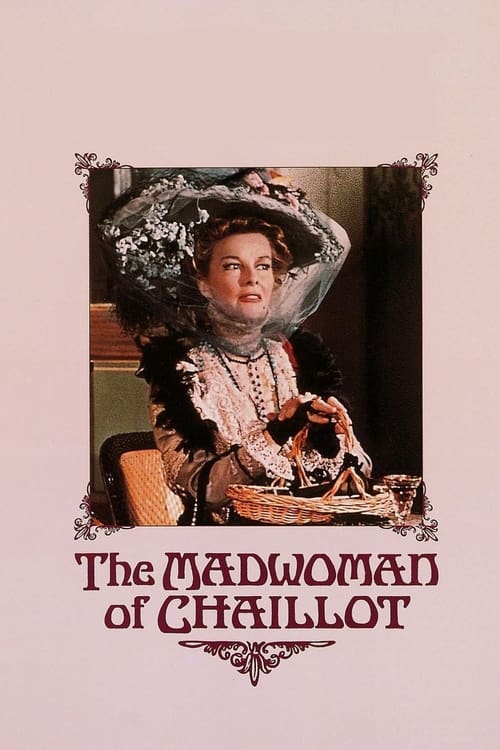
1969

1972
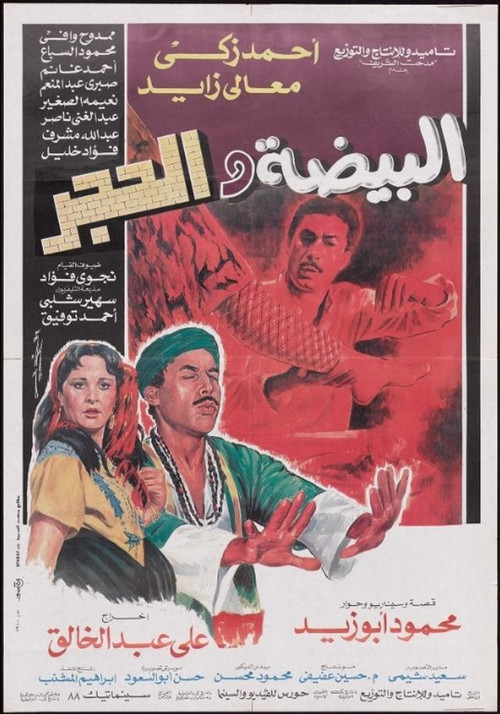
1990
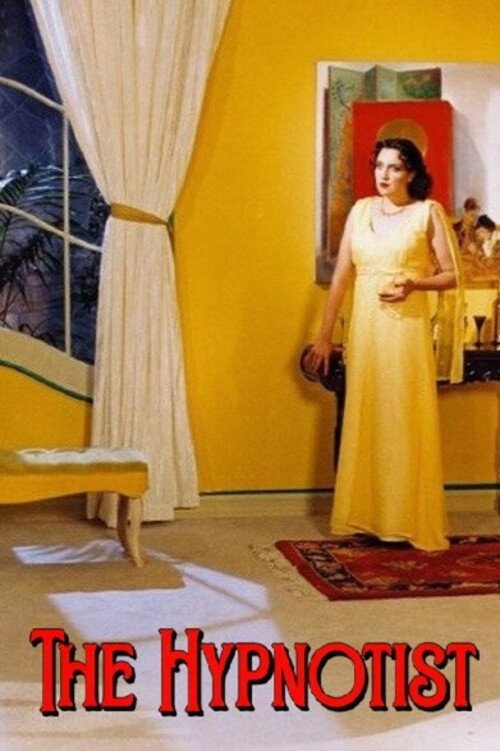
2001
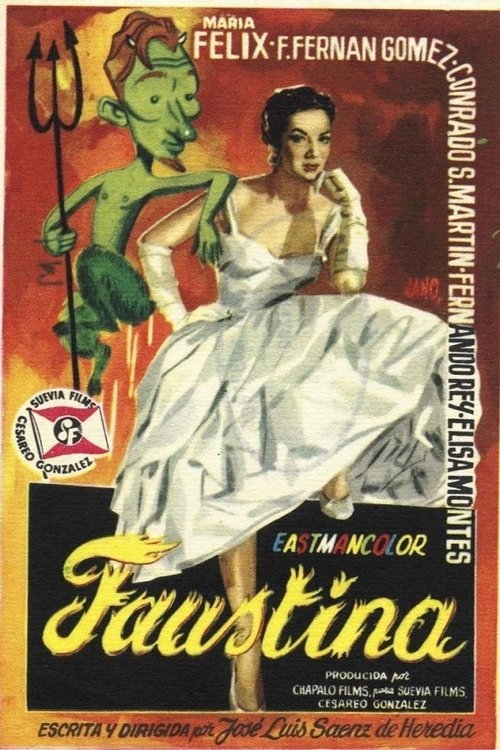
1957
1970
No reviews yet. Be the first to share your thoughts on this movie!
Use the rating form above to leave a star rating and optional review.