
Thenali
2000
No user ratings available yet
Diversity score: 4.8 out of 10
2013
TV-PGDirector
Mark Gill
Runtime
13 minutes
Average Rating
No ratings yetSynopsis
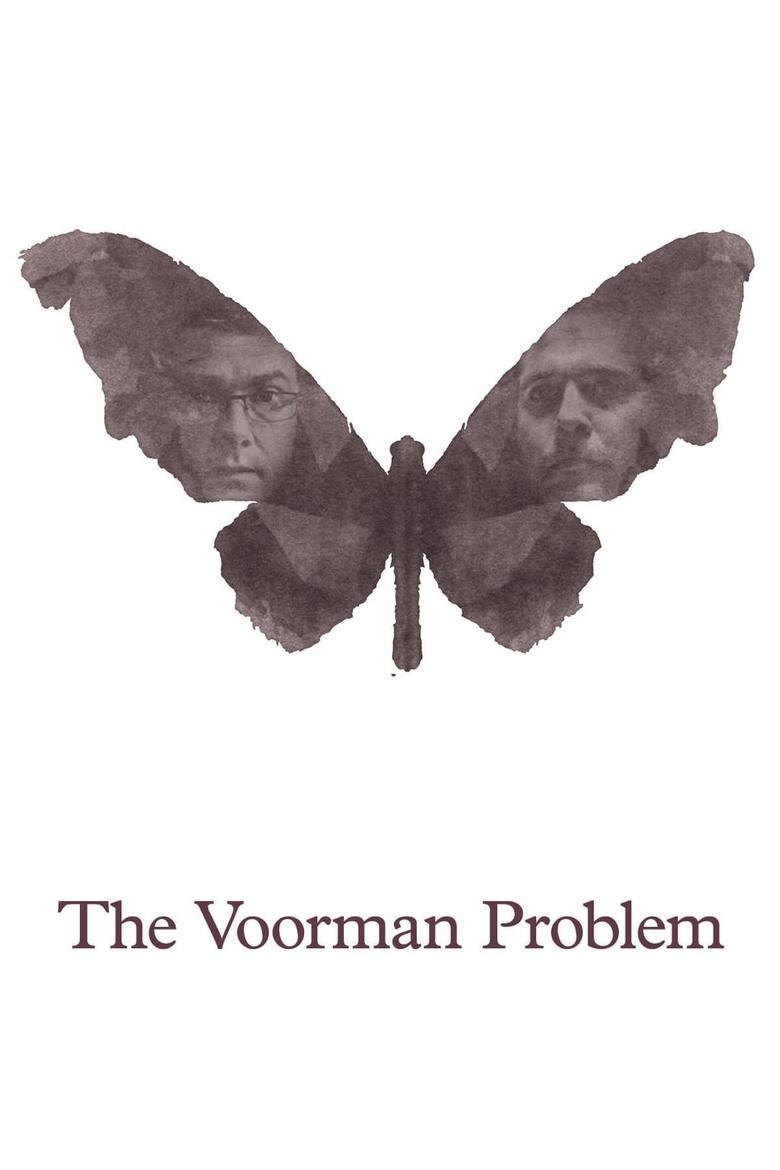
Doctor Williams is called in to examine the enigmatic Mr Voorman, a prisoner with a peculiar affliction: he believes he is a god. The Doctor must decide on the sanity of Mr Voorman - is he a faker or a lunatic? Diagnose him insane and they can ship him off to the asylum. But before making a decision, the Doctor has several questions in relation to Voorman's claims: why would a god choose to be straitjacketed in a prison, is there a way he can validate his boast and what has any of this got to do with Belgium?
Overall Score
Fair
Category Breakdown
LGBTQ+ Representation
The film lacks any discernible LGBTQ+ characters or non-cisnormative identities. The narrative focus remains strictly on the philosophical tension between the individual and the state.
Gender Representation
Gender dynamics appear secondary to the central existential inquiry. While the film does not explicitly reinforce traditional hierarchies, it lacks diverse female agency or the active subversion of masculinity.
Racial & Ethnic Diversity
The character study leans toward a more homogeneous focus within a dystopian London setting. There is no evidence of a non-white majority cast or intentional race-bent casting.
Religious & Cultural Diversity
The film excels in its critique of institutional power and state transparency. It uses moral relativism to question state-sanctioned truths and the erosion of personal autonomy.
Disability Representation
The narrative engages with mental health through the lens of clinical diagnosis. However, the protagonist's condition is tied to metaphysical claims, making its treatment of neurodivergence ambiguous.
Strengths
Areas for Improvement
AI Analysis
The Voorman Problem is a philosophically driven work that prioritizes systemic critique over demographic representation. It functions primarily as a character study exploring individual autonomy against a backdrop of surveillance. The film achieves its highest marks through cultural representation, specifically in its sophisticated deconstruction of state authority. By questioning the legitimacy of institutional truth, it offers a postmodern skepticism toward centralized power. However, the film lacks intersectional breadth. The absence of LGBTQ+ visibility, limited racial diversity, and a lack of diverse female agency prevent a higher overall score.
2000

2022

2020

1972
2020

2023

2005
2013

1972

1993

2009

2004
No reviews yet. Be the first to share your thoughts on this movie!
Use the rating form above to leave a star rating and optional review.