A Day in the Death of Joe Egg
1972
No user ratings available yet
Diversity score: 4.6 out of 10
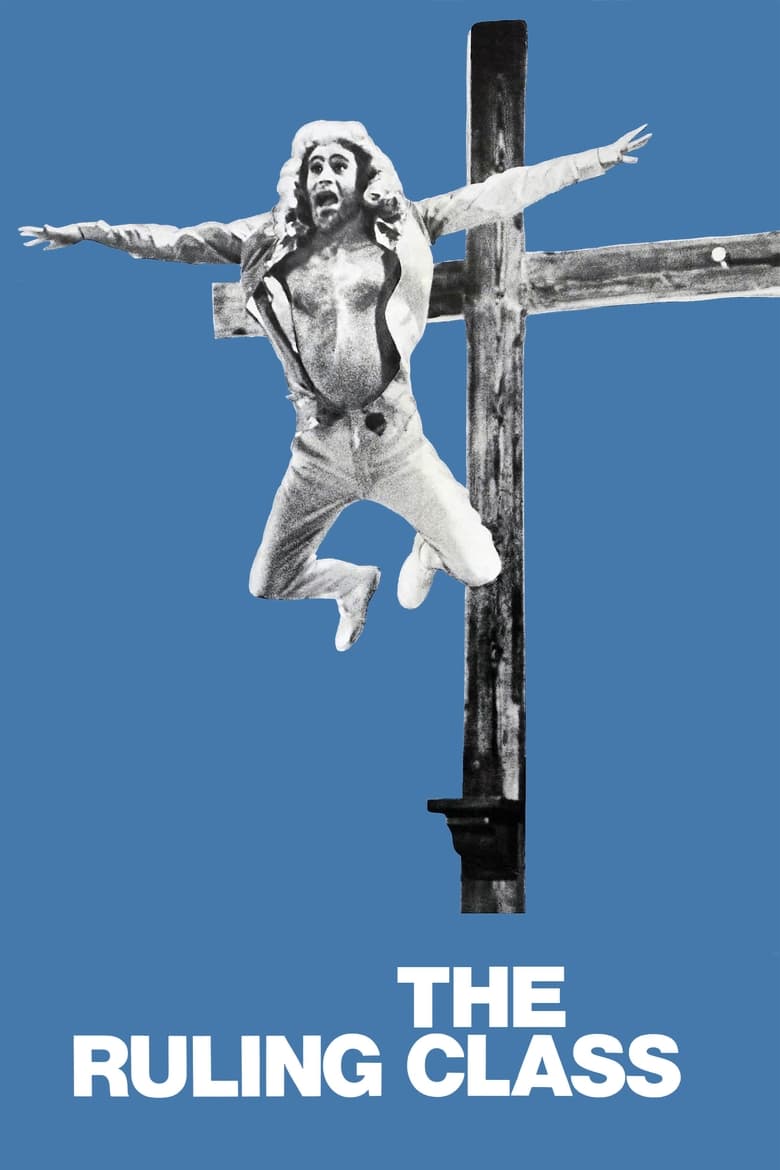
1972
PGDirector
Peter Medak
Runtime
154 minutes
Average Rating
No ratings yetSynopsis
When the Earl of Gurney dies in a cross-dressing accident, his schizophrenic son, Jack, inherits the Gurney estate. Jack is not the average nobleman; he sings and dances across the estate and thinks he is Jesus reincarnated. Believing that Jack is mentally unfit to own the estate, the Gurney family plots to steal Jack's inheritance. As their outrageous schemes fail, the family strives to cure Jack of his bizarre behavior, with disastrous results.
Overall Score
Fair
Category Breakdown
LGBTQ+ Representation
Gender fluidity appears only as a plot device via a cross-dressing accident. The film lacks a focused exploration of queer identity or non-heteronormative intimacy.
Gender Representation
The narrative disrupts patriarchal control by highlighting the friction between female autonomy and restrictive medical institutions. It elevates marginalized perspectives against cold, male authority.
Racial & Ethnic Diversity
The cast is highly homogeneous, reflecting the specific socioeconomic milieu of the British upper class. There is no significant presence of non-white characters.
Religious & Cultural Diversity
The film aggressively critiques Western institutions, portraying the British class system and psychiatric establishments as corrupt. It frames the protagonist's delusions as a rebellion against rigid social reality.
Disability Representation
The film offers a complex look at neurodivergence through the protagonist's schizophrenia. It grants characters with mental health conditions agency rather than using them for simple mockery.
Strengths
Areas for Improvement
AI Analysis
The Ruling Class is a biting satire that prioritizes the deconstruction of social and medical hierarchies over demographic breadth. It excels at portraying the struggle of the neurodivergent individual against oppressive systemic power, providing a nuanced look at mental health and institutional corruption. However, the film is deeply limited by its lack of racial and LGBTQ+ diversity. The narrative remains confined to a homogeneous British upper-class setting, offering little representation outside of the specific socioeconomic context of the era.
1972
1969

2004
1969

2010
1993
2000
1976

2013
2016
2007
1997
No reviews yet. Be the first to share your thoughts on this movie!
Use the rating form above to leave a star rating and optional review.