
The Mistress
1976
No user ratings available yet
Diversity score: 4.1 out of 10
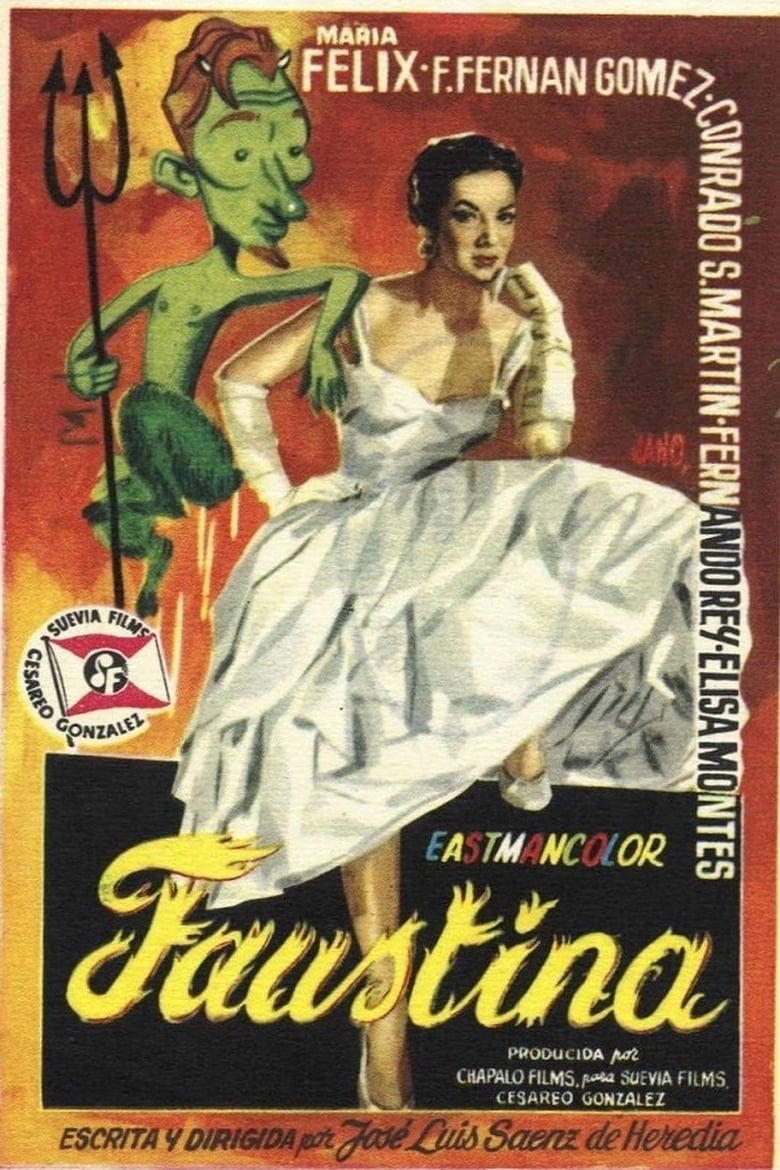
1957
Not RatedDirector
José Luis Sáenz de Heredia
Runtime
101 minutes
Average Rating
No ratings yetSynopsis
A conquering woman of love, power, and fame is challenged by the devil, as he too wants to conquer all. Even the devil learns that there is no wrath like a woman’s scorn.
Overall Score
Limited
Category Breakdown
LGBTQ+ Representation
The film adheres to heteronormative social structures. There are no non-cisnormative gender identities or same-sex narratives present.
Gender Representation
Faustina is portrayed as a formidable force with significant intellect and influence. The narrative disrupts traditional hierarchies by centering female agency within a male-dominated political landscape.
Racial & Ethnic Diversity
Casting is predominantly composed of white, European actors. This reflects 1950s historical epic conventions rather than modern intersectional casting standards.
Religious & Cultural Diversity
The story emphasizes the stability of Roman Imperial institutions and religious rituals. It utilizes these classical frameworks as a stage rather than critiquing them.
Disability Representation
There is no discernible representation of physical or neurodivergent disabilities in the film.
Strengths
Areas for Improvement
AI Analysis
Faustina stands out as a character study of power that subverts the trope of the submissive female consort. By centering the narrative on the Empress's agency and intellect, the film offers a nuanced look at female influence within a rigid patriarchal structure. However, the film is heavily constrained by its temporal context. The casting is limited to white, European actors, and the narrative reinforces classical institutional structures rather than challenging them. These traditional production standards prevent a more diverse or intersectional presentation. Ultimately, while the film succeeds in presenting a complex female protagonist, it remains a product of its era, lacking representation for LGBTQ+ identities or disabilities.
1976
1972
1976

1957

1935

1965
1946
1965
1974
1969
No reviews yet. Be the first to share your thoughts on this movie!
Use the rating form above to leave a star rating and optional review.