
Lonely Boy
2013
No user ratings available yet
Representation score: 5.9 out of 10
Representation Score
Good
2000
Director
Simon Cellan Jones
Runtime
95 minutes
Average Rating
No ratings yetNew Showbiz Analysis
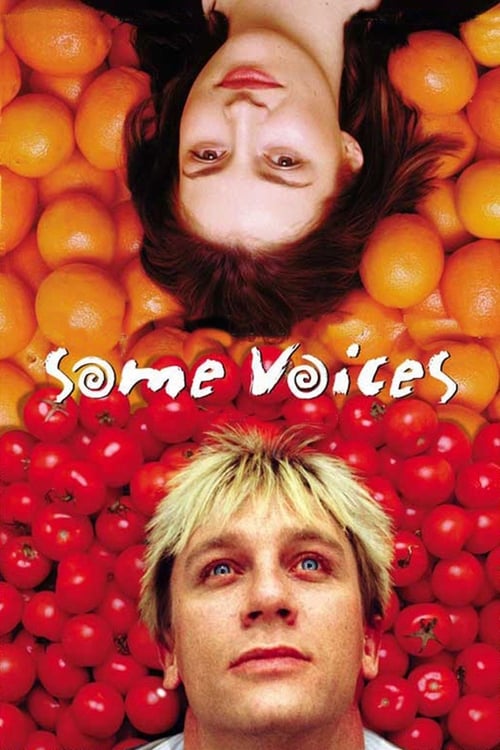
Some Voices excels as a detailed character study that prioritizes psychological depth over visual spectacle. It offers a compassionate, non-stereotypical portrayal of neurodivergence, giving the main character genuine influence and intelligence. However, the film misses opportunities for broader LGBTQ+ and racial representation. It primarily centers on heterosexual relationships and a relatively homogenous cast. Ultimately, the film questions traditional ideas of normalcy by incorporating mental health into a multifaceted human story, even while upholding some traditional gender roles.
Category Breakdown
The story focuses on heterosexual romantic relationships between Ray and Laura. There are no negative stereotypes, but the film doesn't include diverse gender identities.
Laura is shown making her own decisions as she leaves an abusive relationship. However, the central caregiver role stays with Pete, reinforcing traditional gender roles.
The cast mainly represents a part of the Shepherd's Bush community. By focusing on a working-class setting, it avoids a uniform middle-class experience.
The film challenges traditional social structures by highlighting a protagonist with schizophrenia. It emphasizes psychological reality over typical moral or religious views.
Ray is depicted as an intelligent, outgoing person rather than a stereotype. His schizophrenia is shown with depth, emphasizing his personal experiences and ability to make choices.
Present on Screen
Limited or Absent
Official Synopsis
Schizophrenic Ray tries to adjust to the outside world after being released from an institution.
2013
1998
2009
2001
2010

2010
2020

1990
No reviews yet. Be the first to share your thoughts on this movie!
Use the rating form above to leave a star rating and optional review.