
Abel
1986
No user ratings available yet
Representation score: 6.6 out of 10

Representation Score
Good
1981
Director
Guido Pieters
Runtime
94 minutes
Average Rating
No ratings yetNew Showbiz Analysis
Guido Pieters' film studies psychiatric patients transitioning from institutional care to urban life. By placing neurodivergent individuals in a city environment, the film highlights their active roles in society. However, it lacks depth in representing diverse identities, especially concerning LGBTQ+, racial, and cultural backgrounds. The work effectively critiques institutional authority while prioritizing the lived experiences of its main characters.
Category Breakdown
The film doesn't confirm any queer identities or romantic relationships. The psychiatric setting of 1981 might have explored non-normative behaviors, but there's no clear indication of queer ability to act.
Two female patients join the group, changing the social dynamics. They are shown as active participants rather than just background figures.
The film likely reflects the homogeneous demographics of 1981 Dutch cinema. There is no significant non-white representation or casting that deviates from traditional roles.
The film explores the tension between institutional control and individual freedom. It looks at how characters navigate the boundaries set by societal oversight.
The story focuses on neurodivergent and mentally ill patients, highlighting their lives in an urban setting. This approach helps to humanize a stigmatized group by emphasizing their social integration.
Present on Screen
Limited or Absent
Official Synopsis
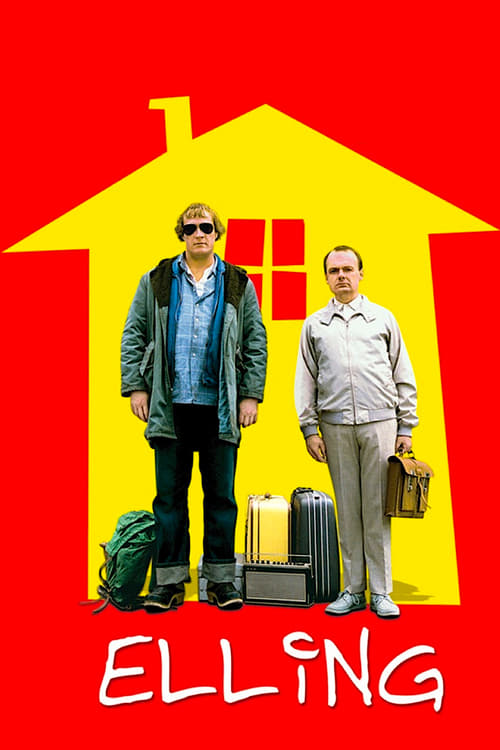
Patients in a psychiatric clinic are placed in a special home in the city, where they have access to the outside world. Another change to their previous situation is the fact that two female patients come to live with them.
1986
2001

2008

2016

2000

2010

1975

1993
No reviews yet. Be the first to share your thoughts on this movie!
Use the rating form above to leave a star rating and optional review.