Knee Deep In Music
1933
No user ratings available yet
Representation score: 1.4 out of 10

Representation Score
Minimal
1930
NRDirector
Ray McCarey
Runtime
20 minutes
Average Rating
No ratings yetNew Showbiz Analysis
Two Plus Fours is a standard musical short from the early sound era that prioritizes conventional social roles. The narrative relies on traditional clichés of familial loyalty and business preservation. The film operates within the mainstream cinematic norms of 1930, offering little complexity in its social architecture. It reinforces existing hierarchies rather than attempting to challenge them. While the musical group provides a central element, the film lacks intentionality regarding diverse representation or the disruption of established cultural norms.
Category Breakdown
The film focuses on a traditional family involving a tailor and his daughter. There are no non-straight or non-cisgender identities or narratives that challenge the assumption that everyone is straight or cisgender.
A male professional faces a crisis, which is resolved by his daughter and a musical group. While the female character plays a significant role, the conflict remains centered around a patriarchal family business.
The film features Paul Whiteman's Rhythm Boys but lacks evidence of integrated casting. It seems to reflect the Anglo-Saxon social standards typical of 1930.
The plot centers on preserving a small business and family stability. It emphasizes traditional Western values of hard work rather than deconstructing social or economic institutions.
There are no visible or invisible disabilities portrayed in the narrative. No characters are identified as having specific physical or neurodivergent traits.
Present on Screen
Limited or Absent
Official Synopsis
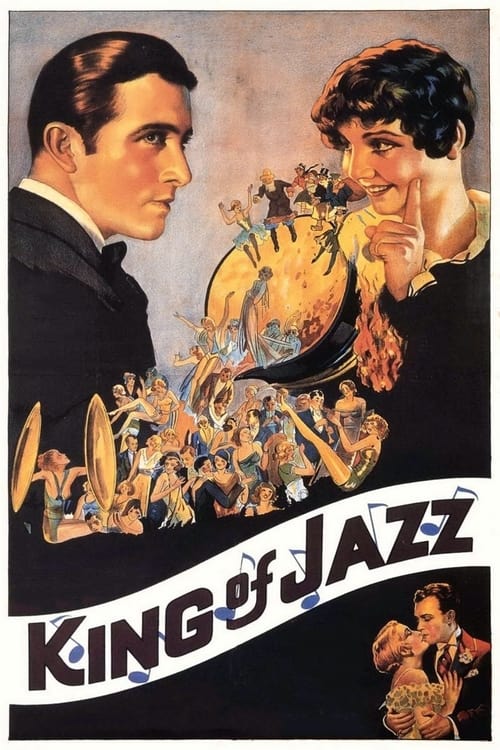
This short subject was done by Paul Whiteman's Rhythm boys shortly after they finished The King of Jazz where lead singer Bing Crosby made his motion picture debut. Shortly afterwards the trio broke up and Bing went solo and the rest was history. When a well-liked tailor is about to lose his story his daughter and a young singing group try to save it.
1933
1954
1932
1931
1932
1930
1940

1936
No reviews yet. Be the first to share your thoughts on this movie!
Use the rating form above to leave a star rating and optional review.