
Prince of Arcadia
1933
No user ratings available yet
Diversity score: 2.4 out of 10
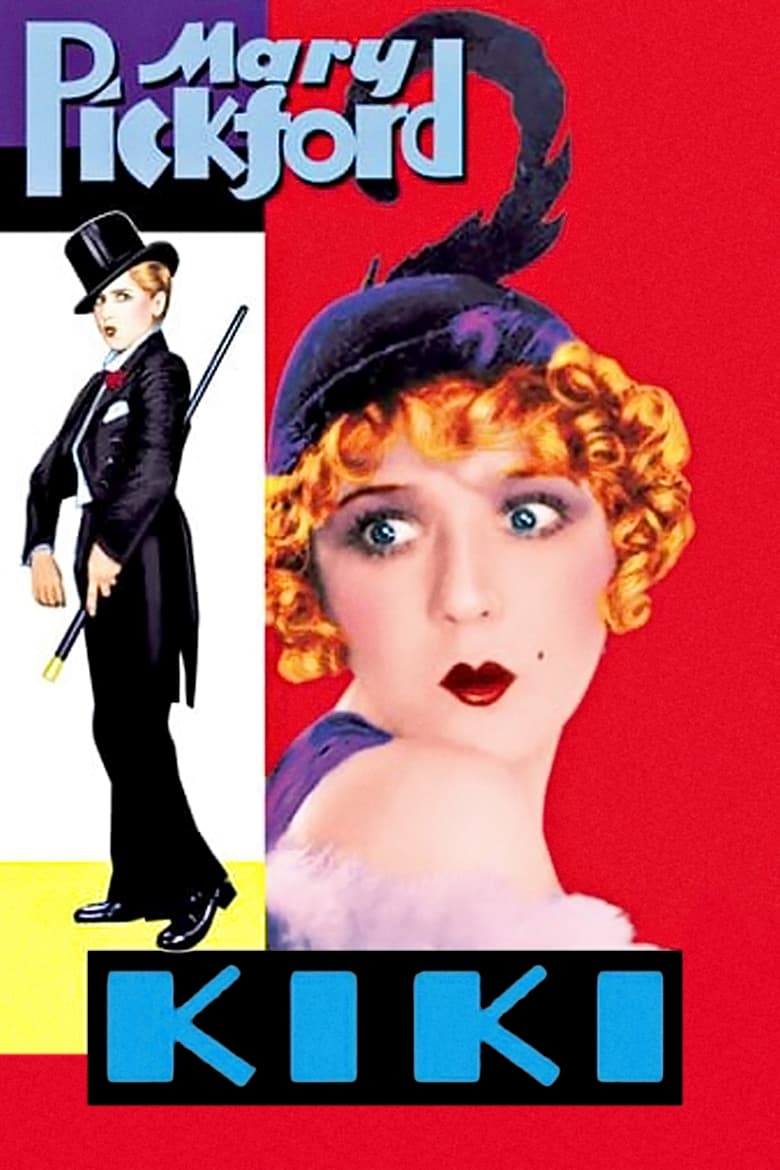
1931
NRDirector
Sam Taylor
Runtime
87 minutes
Average Rating
No ratings yetSynopsis
A young Frenchwoman is determined to get into and stay in show business, no matter what. Then she's determined to win a recently divorced man's heart... again, no matter what.
Overall Score
Limited
Category Breakdown
LGBTQ+ Representation
The film centers on a heterosexual romantic pursuit between a Frenchwoman and a divorced man. No non-cisnormative identities or narratives challenging heteronormativity are present.
Gender Representation
The female protagonist displays significant personal agency through her professional ambitions. However, her drive is ultimately tied to securing a romantic partnership, reinforcing traditional gendered motivations.
Racial & Ethnic Diversity
The narrative maintains a Eurocentric focus centered on a Frenchwoman. It aligns with the homogeneous casting standards typical of early 1930s Western cinema.
Religious & Cultural Diversity
The story emphasizes individualistic pursuits like career success and romantic conquest. It follows traditional Western storytelling tropes without deconstructing social or family norms.
Disability Representation
There is no information regarding the inclusion or portrayal of characters with physical or neurodivergent disabilities.
Strengths
Areas for Improvement
AI Analysis
Kiki is a product of early 1930s musical cinema, prioritizing individual ambition and romantic pursuit. While the protagonist shows professional drive, the narrative remains anchored in conventional social structures. The film lacks diversity in terms of identity and culture, focusing instead on a Eurocentric, heteronormative framework. It functions as a traditional romantic comedy rather than a critique of systemic social hierarchies. Ultimately, the film reinforces the era's standard cinematic conventions, centering on personal agency within a strictly traditional romantic and professional context.
1933
1929

1935
1932
1932
1946
1939
1933
1934
1944
1935
1931
No reviews yet. Be the first to share your thoughts on this movie!
Use the rating form above to leave a star rating and optional review.