The Genii of Fire
1908
No user ratings available yet
Representation score: 1.1 out of 10
Representation Score
Minimal
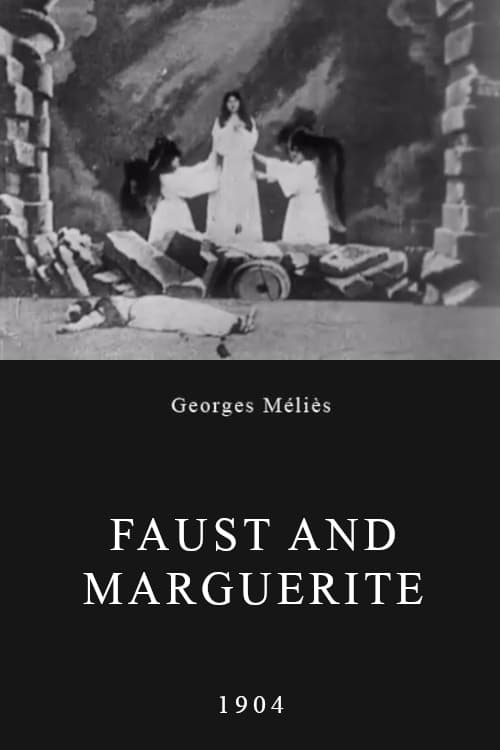
1904
Director
Georges Méliès
Runtime
15 minutes
Average Rating
No ratings yetNew Showbiz Analysis
Georges Méliès' work is a landmark in cinematic technique, yet its thematic content reflects the norms of its time. The film preserves classical European folklore and conservative religious morality. While Méliès introduced innovative visual storytelling, the narrative adheres to the social and theological structures of the early 1900s, reinforcing established archetypes without challenging them. Ultimately, the film lacks the intention to disrupt systemic norms, presenting a world defined by traditional hierarchies of gender, religion, and ethnicity.
Category Breakdown
The film focuses solely on the heterosexual relationship between Faust and Marguerite. There is no queer subtext or representation of non-cisgender identities.
Marguerite's role is tied closely to the male protagonist's actions, reflecting a traditional patriarchal structure typical of early 20th-century drama.
The cast mirrors the homogeneous European casting standards of 1904 French cinema. There is no indication of non-white representation or actors playing roles outside their traditional ethnic background.
The story is grounded in Christian morality and theological frameworks, reinforcing traditional religious hierarchies through the central conflict of damnation.
The film does not feature characters with visible or invisible disabilities. The supernatural elements focus on spiritual themes rather than physical or neurodivergent conditions.
Present on Screen
Limited or Absent
Official Synopsis
Faust and his love Marguerite are sentenced to Hell where they are showed the torture that awaits.
1908
1921
1905
1921
1897
1923
1913
1937
No reviews yet. Be the first to share your thoughts on this movie!
Use the rating form above to leave a star rating and optional review.