Pedro Paramo
1967
No user ratings available yet
Representation score: 5.1 out of 10
Representation Score
Fair
1973
Not RatedDirector
Víctor Erice
Runtime
99 minutes
Average Rating
No ratings yetNew Showbiz Analysis
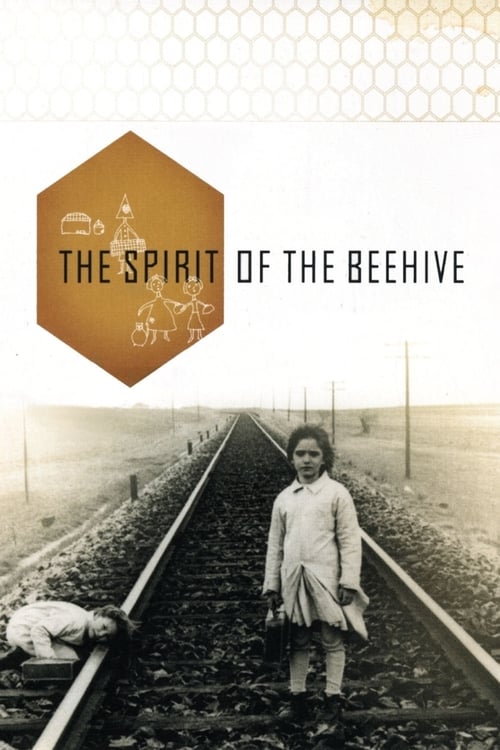
Víctor Erice’s masterpiece excels at deconstructing monolithic cultural narratives through poetic realism. By centering a child's imaginative autonomy, the film challenges the dogmatic morality and forced conformity of post-Civil War Spain. However, the film lacks overt demographic diversity. It operates within a highly homogeneous historical context, offering little representation of LGBTQ+ identities or racial variety. Ultimately, the film's strength lies in its thematic critique rather than demographic representation. It provides a nuanced exploration of systemic repression by prioritizing a child's mythic reality over the rigid structures of the adult world.
Category Breakdown
The film is set in a rural family during the 1940s and does not depict any non-straight relationships or intimate moments between LGBTQ+ individuals.
The story takes place in a patriarchal household but focuses on Ana's intellectual and imaginative independence. While it avoids traditional feminine roles, it does not challenge the broader gender hierarchy.
The cast is ethnically uniform, reflecting the demographics of mid-century rural Castile. The narrative does not explore the intersection of race and culture or include diverse casting.
The film criticizes the oppressive religious and social structures of Francoist Spain. It uses the beehive metaphor to show a society defined by forced conformity and systemic trauma.
There are no explicit depictions of physical or neurodivergent disabilities. However, the film explores psychological isolation through the protagonist's unique sensory and imaginative perception of the world.
Present on Screen
Limited or Absent
Official Synopsis
In 1940, in the immediate aftermath of the Spanish Civil War, a young girl living on the Castilian plain is haunted after attending a screening of James Whale's 1931 film Frankenstein and hearing from her sister that the monster is not dead, instead existing as a spirit inhabiting a nearby barn.
1967
1960
1978
1973
1966

1990

1969
1962
No reviews yet. Be the first to share your thoughts on this movie!
Use the rating form above to leave a star rating and optional review.