
Little Match Girl
2018
No user ratings available yet
Representation score: 6.6 out of 10
Representation Score
Limited
1902
Director
James Williamson
Runtime
3 minutes
Average Rating
No ratings yetNew Showbiz Analysis
James Williamson's adaptation is a foundational study of socioeconomic vulnerability. It uses a child's descent into mortality to critique the systemic neglect of the urban social structure. The film frames poverty as a systemic tragedy rather than a personal failure. While the work lacks modern perspectives on intersecting identities, it successfully disrupts the idealized Victorian stability. It exposes the lethal consequences of class disparity through a lens of profound sentimental tragedy. The film's strength lies in its ability to challenge the perceived benevolence of historical social structures, providing an early cinematic template for critiques of institutional neglect.
Category Breakdown
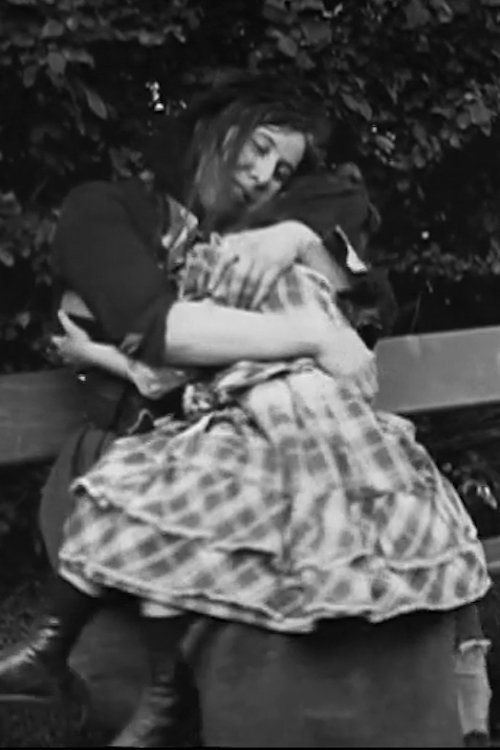
The film focuses entirely on the relationship between a child and her deceased mother. There are no queer identities or subtexts present in this early silent film.
A female character drives the story, but she has little control over what happens to them due to her extreme vulnerability. The narrative relies on traditional depictions of feminine helplessness and sorrow.
Casting reflects the homogeneous demographics typical of early 20th-century British cinema. There is no evidence of intentional ethnic diversity or varied casting.
The film critiques industrial-era capitalism by focusing on the struggles of the poor. It uses spiritual visions to contrast a harsh, materialist urban reality.
While no clinical disabilities are shown, the film portrays the physical toll of extreme poverty. The protagonist's suffering is treated with empathy rather than mockery.
Present on Screen
Limited or Absent
Official Synopsis
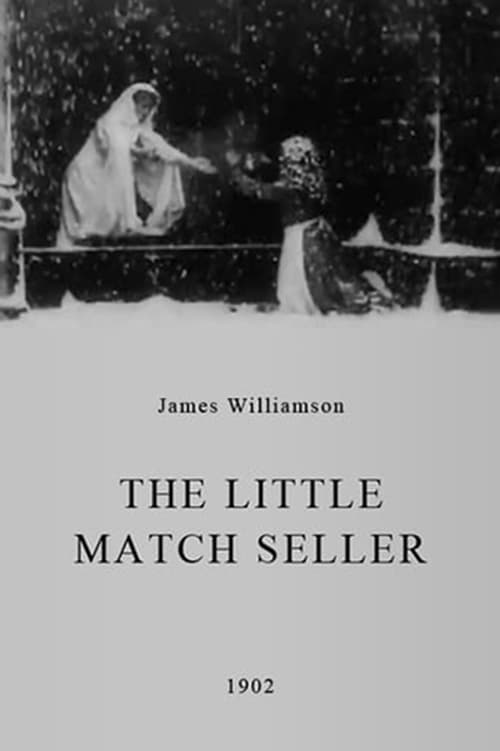
A short melodrama based on Hans Christian Andersen's harrowing tale. A poor little girl tries to sell matchsticks in the freezing December cold. She lights matches for some light and warmth. There are visions: a fireplace, dinner, a Christmas tree. She sees her dead mother, welcoming her.
2018
1921

1928
1976
1904
1906
2017
1912
No reviews yet. Be the first to share your thoughts on this movie!
Use the rating form above to leave a star rating and optional review.