
The Shadow Play
1992
No user ratings available yet
Representation score: 4.0 out of 10
Representation Score
Good
1990
Director
Füruzan, Gülsün Karamustafa
Runtime
100 minutes
Average Rating
No ratings yetNew Showbiz Analysis
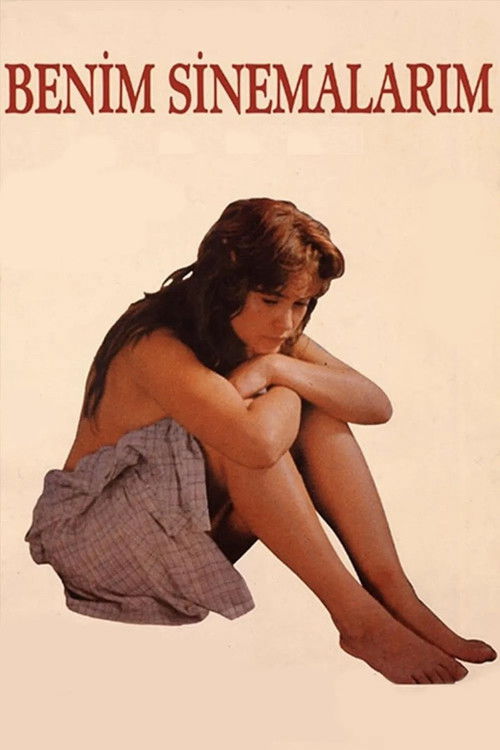
My Cinemas is a character-driven drama that challenges traditional social structures. By focusing on a young girl's intellectual escape from poverty, the film questions the stability of the patriarchal head and critiques the dysfunction of the nuclear family unit. The film excels at offering a non-Western perspective grounded in the socio-economic realities of Istanbul's slums. This focus on the Turkish working class provides a necessary contrast to more common, Western-centric media clichés. However, the film lacks explicit representation in several key areas. There is no visible engagement with LGBTQ+ identities or the portrayal of physical or neurodivergent disabilities, leaving those dimensions of diversity unaddressed.
Category Breakdown
The film does not include explicit LGBTQ+ identities or stories that challenge the assumption that everyone is straight. While the protagonist's escapism might hint at themes of otherness, there is no clear LGBTQ+ representation.
Nesibe's inner thoughts and her active role in the story stand out, challenging traditional gender roles. The film portrays the father as a volatile and dysfunctional figure instead of a stable leader, which disrupts typical patriarchal narratives.
The story highlights the lives of the Turkish working class and the urban poor in Istanbul. It avoids Western-centric views by focusing on the real-life experiences of a non-Anglo-Saxon community.
The narrative criticizes traditional institutions by showing the nuclear family as a place of oppression. It emphasizes individual subjective experiences over strict religious or patriotic structures.
There is no specific evidence of physical or neurodivergent disabilities being portrayed. The film focuses on psychological coping through cinema rather than disability representation.
Present on Screen
Limited or Absent
Official Synopsis
Nesibe lives with her poor family in a slum in Istanbul. Her father, who can't hold down a job, often takes out his anger on his family. Knowing that this is not all there is to life, Nesibe finds solace in movies.
1992

2021

1988

2004

2016
1992

1985

2022
No reviews yet. Be the first to share your thoughts on this movie!
Use the rating form above to leave a star rating and optional review.