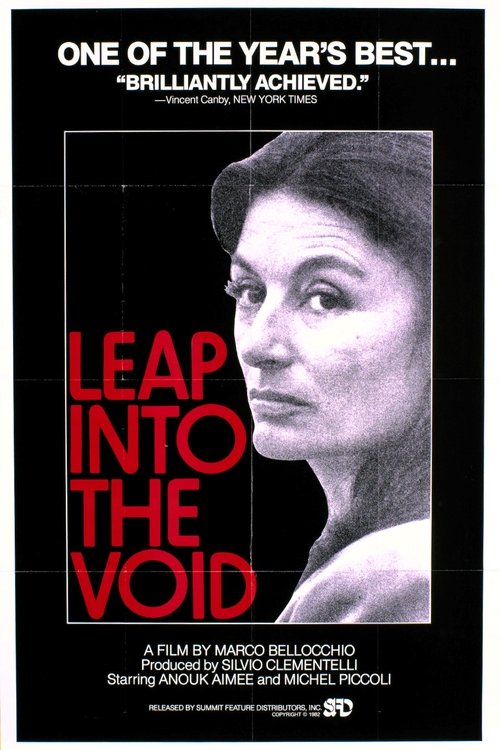
A Leap in the Dark
1980
No user ratings available yet
Representation score: 7.7 out of 10

Representation Score
Fair
1994
Director
Alessandro D'Alatri
Average Rating
No ratings yetNew Showbiz Analysis
Senza pelle is a psychological drama that prioritizes individual existential struggles over systemic identity politics. It avoids caricature by focusing on the complexities of the human condition. The film lacks significant markers of multi-layered diversity or disruption of traditional demographic norms. It remains rooted in a mid-90s European social context. Ultimately, the work finds its strength in its nuanced exploration of mental health and situational ethics, moving beyond simple moral binaries.
Category Breakdown
The film focuses on a traditional romance between a young mother and a male protagonist, lacking queer narratives or diverse LGBTQ identities. It operates within conventional romantic frameworks.
The narrative explores the vulnerability of a young mother while avoiding simplistic portrayals. The power dynamics between her and the male lead suggest a complex psychological depth.
Set in a specific Italian context, the film reflects a homogeneous demographic. There is no significant representation of non-white individuals or race-bent casting.
The story emphasizes existential themes and subjective morality. Characters are framed through psychological states rather than strict moral or religious doctrines.
Mental health is a central theme, offering a platform to explore psychological distress. The film uses neurodivergence as a key element of existential conflict, avoiding caricatures.
Present on Screen
Limited or Absent
Official Synopsis
The lives of a young mother and her boyfriend are turned upside down when she unknowingly becomes the focus of the attentions of a depressed and mentally unstable young man.
1980

1965
1974
1961

1974

1999
1992
1995
No reviews yet. Be the first to share your thoughts on this movie!
Use the rating form above to leave a star rating and optional review.