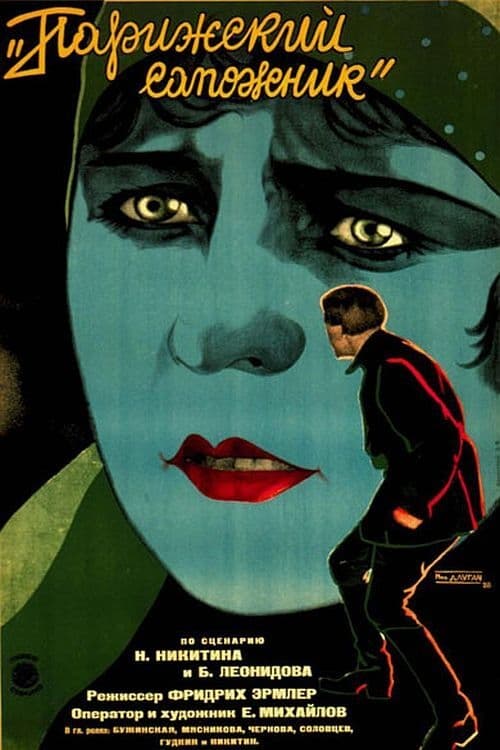
The Parisian Cobbler
1927
No user ratings available yet
Representation score: 3.9 out of 10
Representation Score
Limited
1931
Director
Boris Barnet
Runtime
65 minutes
Average Rating
No ratings yetNew Showbiz Analysis
Boris Barnet’s *The Thaw* is a character-driven drama that prioritizes systemic critique over individualist morality. By centering the plot on Anka’s struggle with pregnancy and abandonment, the film elevates women's ability to drive the story within a corrupt village setting. The work excels in its progressive critique of capitalistic and institutional corruption. It uses these themes to provide a foundation of social commentary that challenges traditional power structures. However, the film lacks modern markers of diversity. There is no representation of LGBTQ+ identities or disability, and the ethnic diversity remains unconfirmed beyond general regional authenticity.
Category Breakdown
The film does not include any representation of LGBTQ+ identities or same-sex relationships. It focuses on traditional interpersonal conflicts and reproductive themes.
Anka serves as the emotional core of the story, taking control of her life despite being abandoned. The narrative avoids clichés by emphasizing her resilience in the face of social and romantic instability.
The casting likely reflects the ethnic makeup of the early Soviet Union. However, there is no specific evidence of intentional casting that highlights diverse backgrounds beyond general regional authenticity.
The film provides a strong critique of capitalistic corruption and systemic decay. It portrays personal struggles as direct results of institutional and economic failures.
There is no specific evidence of the portrayal of visible or invisible disabilities. The narrative focuses on social and economic hardships instead.
Present on Screen
Limited or Absent
Official Synopsis
A story about capitalistic corruption in a small village and the personal struggles of Anka (Vera Marinich) as she is pregnant and abandoned by her lover.
1927

1929

1928

1925
1926
1920
1926
1927
No reviews yet. Be the first to share your thoughts on this movie!
Use the rating form above to leave a star rating and optional review.