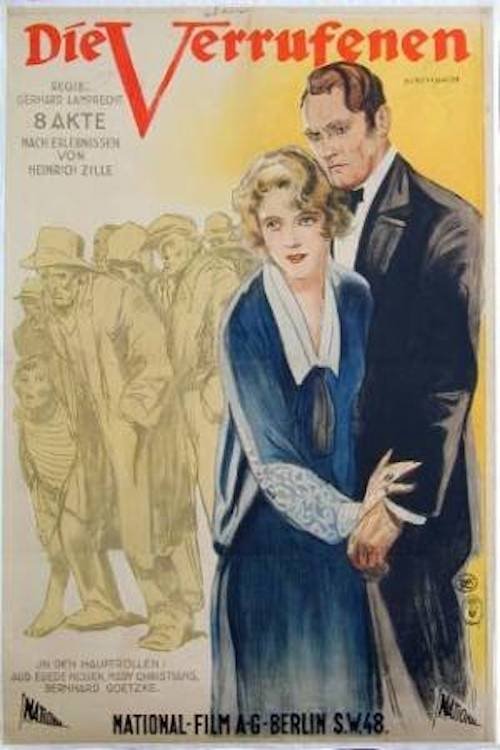
In the Slums of Berlin
1925
No user ratings available yet
Representation score: 5.6 out of 10

Representation Score
Fair
1928
Director
Fyodor Otsep
Runtime
80 minutes
Average Rating
No ratings yetNew Showbiz Analysis
The film stands out for its sophisticated deconstruction of the Russian imperial hierarchy. It moves beyond simple period drama by examining how ethnic identity and gendered vulnerability intersect under systemic oppression. While the film lacks representation for LGBTQ+ identities or disabilities, its focus on the Jewish experience provides a nuanced look at exclusion. The use of state-sanctioned documentation to control ethnic populations adds significant depth to the social critique. Ultimately, the work succeeds by centering a underrepresented woman's struggle against institutionalized cruelty. It effectively challenges the legitimacy of the era's dominant social and legal structures.
Category Breakdown
The film does not include any LGBTQ+ characters or narratives. The storyline focuses solely on traditional gender roles and ethnic legalities.
Maria plays a significant role in driving the story, navigating a landscape designed to strip her of autonomy. The film critiques how patriarchal structures weaponize femininity to maintain control.
The narrative excels by centering the Jewish experience and the legal constraints of the Pale of Settlement. It uses the 'yellow ticket' to illustrate systemic ethnic control.
The film portrays the aristocracy and legal police force as inherently oppressive institutions. It offers a sharp critique of class-based cruelty and rigid social orders.
There are no depictions of visible or invisible disabilities within the narrative.
Present on Screen
Limited or Absent
Official Synopsis
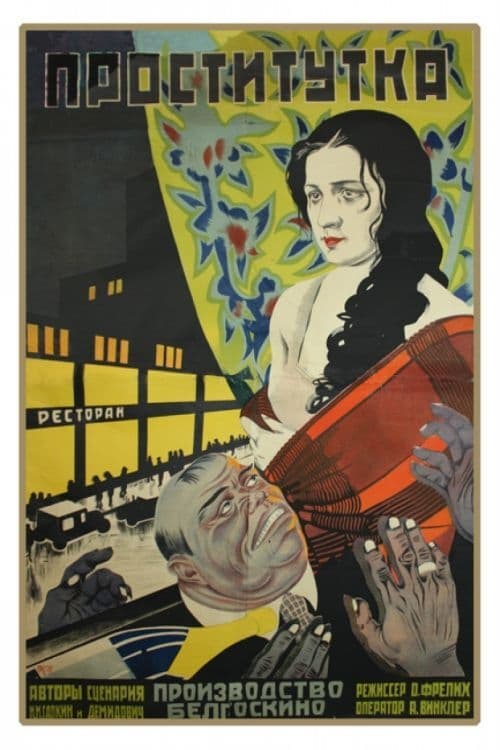
Jacob, a farmer, returns from the war to his wife Marie and begs the landlord baron for a plot of land to rent. The Baron grants the request, but only for a barren, rocky, useless acreage. The pair struggle to make do on this land, but then the Baron demands that Maria leave her husband to serve as wet nurse to his married daughter Anya's new baby, on threat of eviction. While nursing the daughter's baby, Maria receives unwelcome attentions from the daughter's husband, and a scandal erupts, ruining Maria in her husband's eyes. When she escapes from her employers and seeks to return home, the police give her the yellow passport signifying a prostitute, further degrading her. She approaches home, unsure of the reception that awaits her.
1925

1929
1931

1920
1931
1924
1927

1930
No reviews yet. Be the first to share your thoughts on this movie!
Use the rating form above to leave a star rating and optional review.