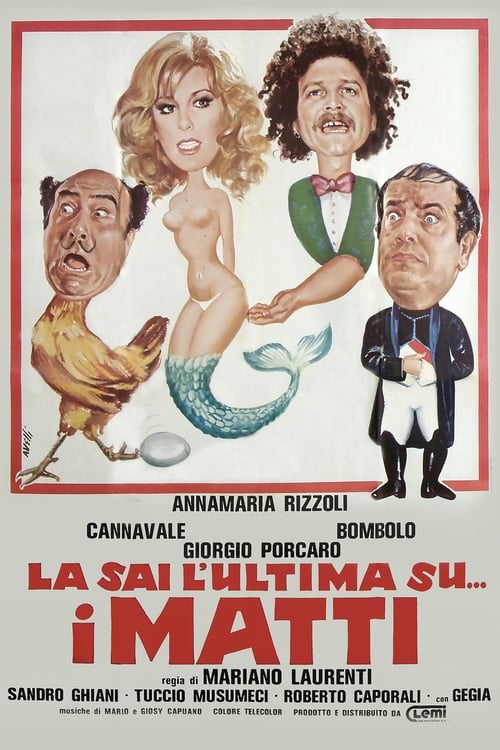
Do you know the latest on the crazy ones?
1982
No user ratings available yet
Representation score: 3.2 out of 10
Representation Score
Good
1986
Director
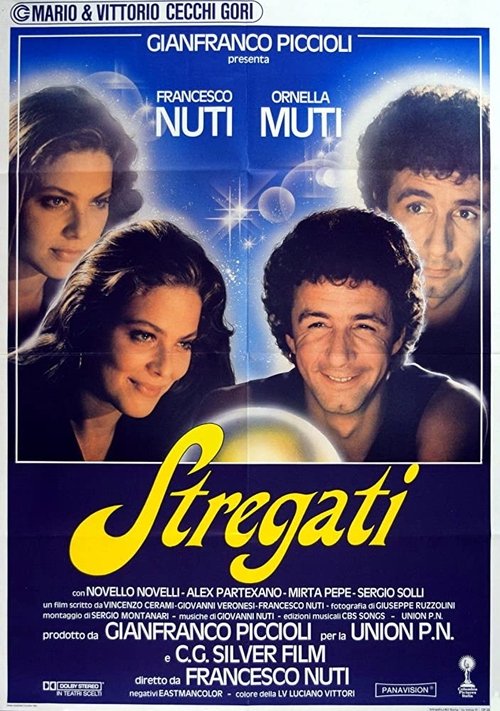
Francesco Nuti
Runtime
92 minutes
Average Rating
No ratings yetNew Showbiz Analysis
Stregati is a character-driven comedy centered on a radio host's whimsical approach to justice. While the premise allows for moral relativism and the exploration of individual truths, the film lacks complexity in representing various aspects of identity. The narrative structure suggests potential for diverse voices, but specific identity-based representation is missing. The focus remains on typical 1980s Italian domestic social dynamics.
Category Breakdown
The late-night radio format offers a platform for diverse personal stories, but there is no clear evidence of queer identities or challenges to the assumption that everyone is straight.
Lorenzo's role as an emotional guide explores masculine vulnerabilities, but the film lacks evidence of strong female influence or challenges to traditional gender roles.
The film focuses on domestic social dynamics and does not include any non-white actors or non-human species used as racial metaphors.
The narrative replaces formal justice with whimsical judgments, prioritizing individual emotional truth over strict moral codes.
The story centers on insomnia, a neurobiological condition, but it is unclear whether this sleep disorder is treated seriously or as a comedic element.
Present on Screen
Limited or Absent
Official Synopsis
Lorenzo is the conductor of Radio Strega's night show, making up false court sentences for those who suffer from insomnia.
1982

1980
1978
1982
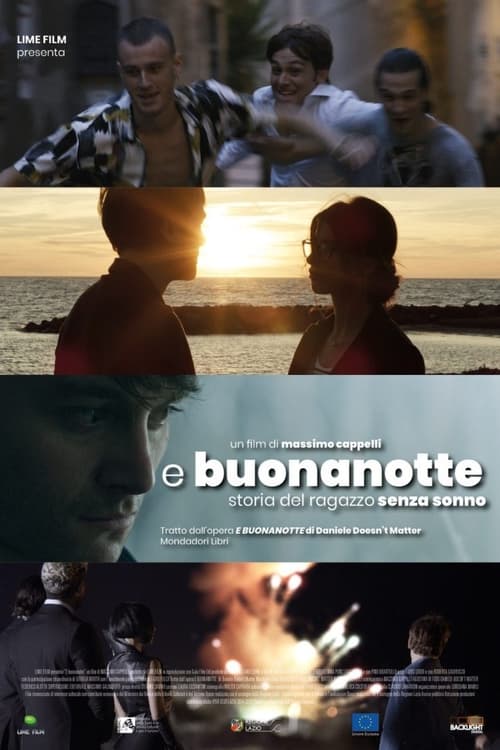
2022
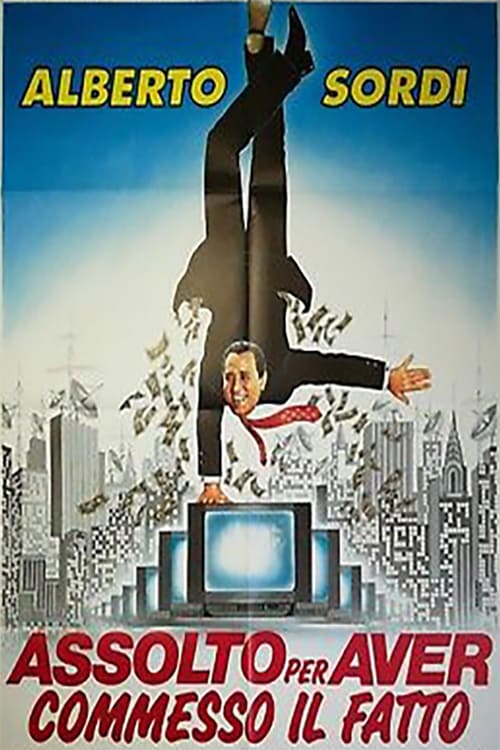
1992
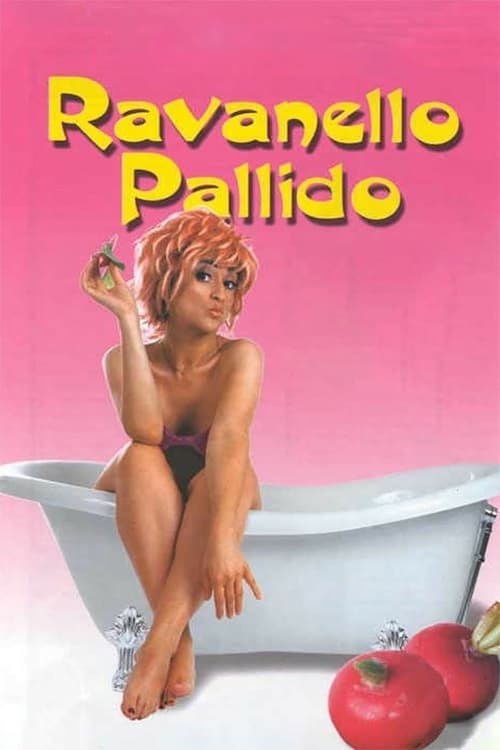
2001
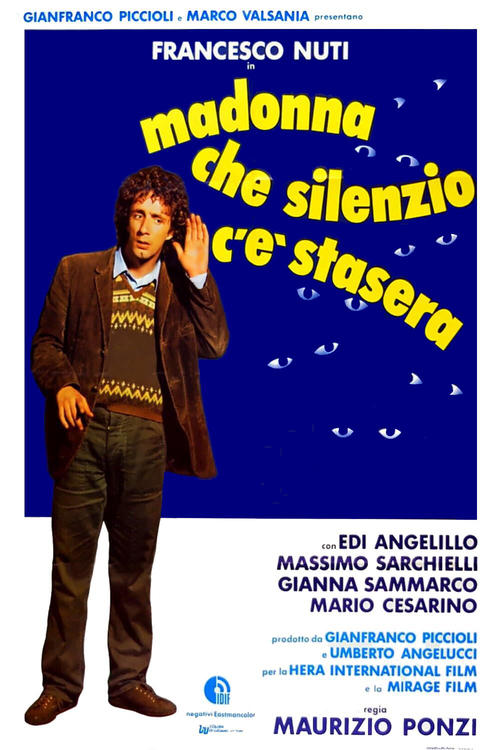
1982
No reviews yet. Be the first to share your thoughts on this movie!
Use the rating form above to leave a star rating and optional review.