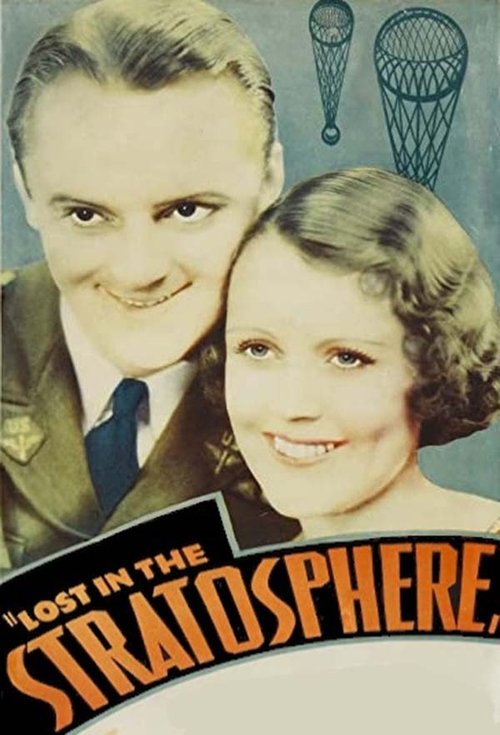
Lost in the Stratosphere
1934
No user ratings available yet
Representation score: 0.5 out of 10

Representation Score
Limited
1928
NRDirector
Howard Hawks
Runtime
78 minutes
Average Rating
No ratings yetNew Showbiz Analysis
Howard Hawks' early comedy captures a shift in social norms through its depiction of the flapper era. The film's strength lies in its challenge to traditional Victorian gender norms, showcasing the evolving role of women in the late 1920s. However, the film remains limited by the era's casting practices. It lacks racial diversity and does not address non-cisgender identities, functioning primarily as a traditional straight-centered comedy. Ultimately, the work reflects the social homogeneity of early Hollywood while making localized advancements in gender dynamics.
Category Breakdown
The film follows the straight-centered norms of the late 1920s. The plot revolves around a rivalry between two male sailors over female companionship, with no indication of same-sex relationships.
Colleen Moore's portrayal of the flapper archetype challenges traditional feminine roles. Her energetic and rebellious character stands out compared to the passive female roles common in earlier silent films.
The cast appears predominantly homogeneous, reflecting the standard studio practices of 1928. There is no evidence of characters from diverse racial backgrounds influencing the narrative.
The story explores light-hearted social conflicts within a maritime setting without engaging with religious or anti-authoritarian themes. It stays within conventional comedic structures.
There is no documented evidence regarding the portrayal of physical or neurodivergent disabilities in this title.
Present on Screen
Limited or Absent
Official Synopsis
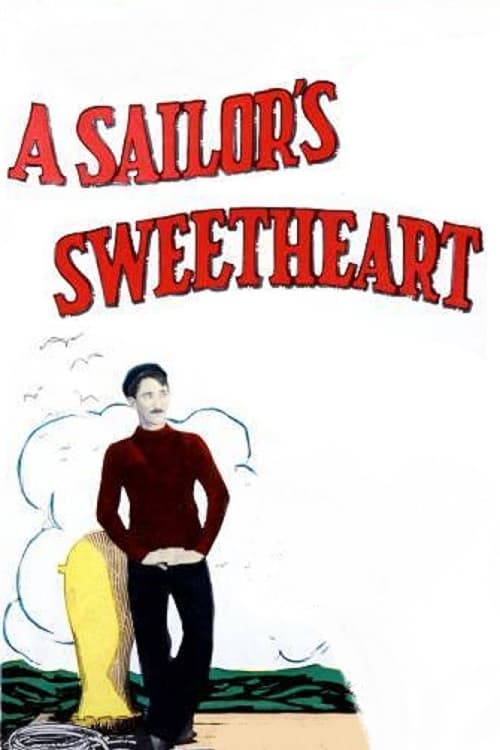
Two sailors with a rivalry over chasing women become friends. But when one decides to finally settle down, will this mysterious young woman come between them?
1934

1924

1937

1928
1927

1927

1920

1937
No reviews yet. Be the first to share your thoughts on this movie!
Use the rating form above to leave a star rating and optional review.