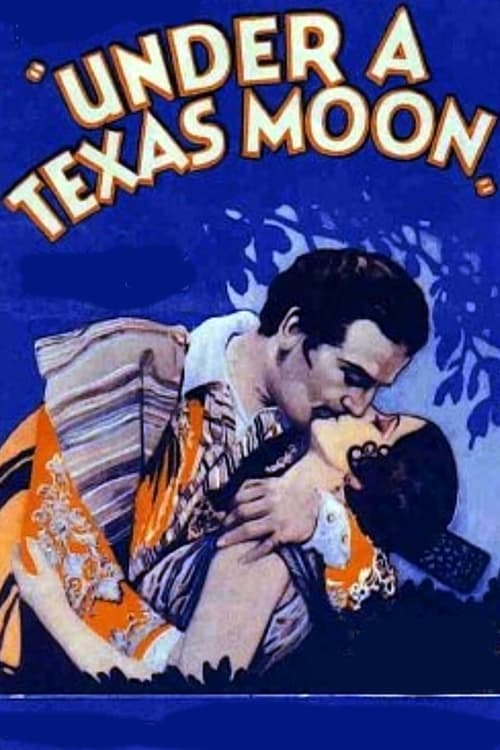
Under a Texas Moon
1930
No user ratings available yet
Representation score: 0.7 out of 10

Representation Score
Minimal
1920
PassedDirector
J. Gordon Edwards
Runtime
60 minutes
Average Rating
No ratings yetNew Showbiz Analysis
This film is a product of its time, reflecting the conventions of the silent-era Western genre. It prioritizes traditional social structures, offering a minor departure from passive female roles through Beatrice's actions. However, it ultimately falls back on predictable genre clichés. The absence of racial or LGBTQ+ diversity mirrors the homogeneous social environments common in early 20th-century adventure films. The narrative reinforces established norms regarding property and domesticity without challenging them. Overall, the film's adherence to traditional gender hierarchies and settler-centric themes limits its representation of the human experience.
Category Breakdown
The film does not include any LGBTQ+ characters or themes. The romantic storyline centers around a traditional heterosexual relationship leading to marriage.
Beatrice Corlin takes a leading role by initiating the main bet and influencing the plot. However, she reverts to a traditional damsel-in-distress role when rescued by William.
The story focuses on white characters and the dynamics typical of the Western genre. There are no non-Anglo-Saxon characters or a diverse cast mentioned.
The story upholds traditional Western values related to land ownership and the nuclear family. It emphasizes social stability through the characters' marriage and property consolidation.
There is no information available regarding the portrayal of physical or neurodivergent disabilities in this film.
Present on Screen
Limited or Absent
Official Synopsis
Spirited Beatrice Corlin challenges William Steele to successfully construct a cabin on the disputed land, promising to cook him a home-cooked dinner if he succeeds. Beatrice then enlists the aid of an acquaintance named Joe Embry to help her win the bet. After several clashes between the men, Embry’s true colors are revealed when he abducts Beatrice. Learning of the treachery, William comes to her rescue. The ordeal brings William and Beatrice to the realization that they have fallen in love with each other. Rather than settling their wager, they cancel the bet by merging their land and getting married.
1930
1960
1928
1926
1928
1930
1924
1926
No reviews yet. Be the first to share your thoughts on this movie!
Use the rating form above to leave a star rating and optional review.