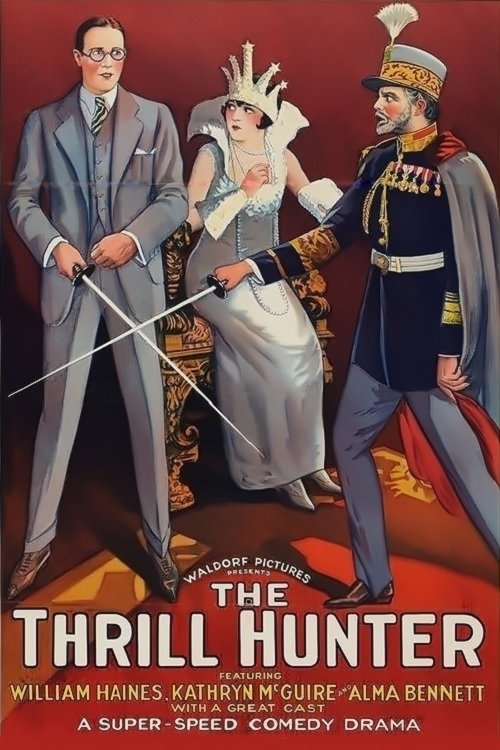
The Thrill Hunter
1926
No user ratings available yet
Representation score: 2.2 out of 10
Representation Score
Fair
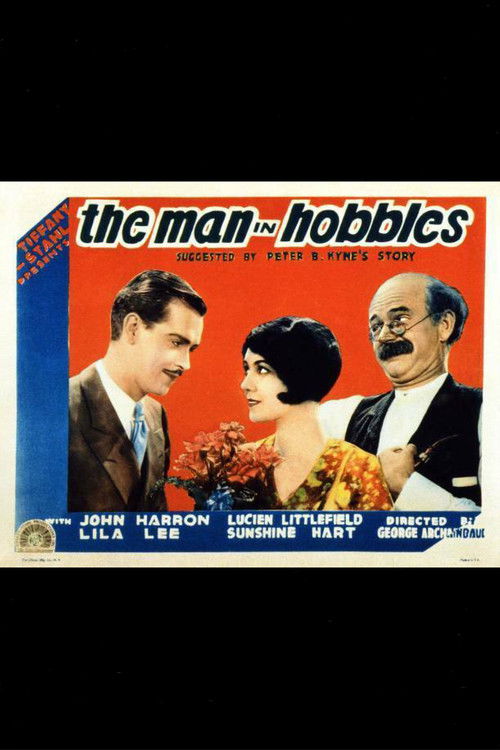
1928
PassedDirector
George Archainbaud
Runtime
60 minutes
Average Rating
No ratings yetNew Showbiz Analysis
The Man in Hobbles functions as a conventional genre piece of the late silent era. It adheres to the established storytelling structures and social hierarchies prevalent in 1928 American cinema. The film relies heavily on period-specific clichés, particularly regarding gender and romance. It offers little to no disruption of the demographic or cultural norms of the time. While the title hints at physical vulnerability, the film likely treats disability as a plot catalyst or comedic element rather than a character-driven study of ability to act.
Category Breakdown
The film does not include any non-cisgender identities or queer narratives. Its classification as a romance suggests a focus on traditional heterosexual relationships.
The film likely uses standard gender roles common to silent comedies. There is no indication of women playing significant roles or challenging traditional masculine leadership.
As a product of the early American studio system, the film likely reflects the era's lack of diversity. There is no evidence of actors from different racial backgrounds being cast.
The film reinforces Western social structures and traditional morality. It lacks any critique of Western institutions, secularism, or anti-capitalist sentiments.
The title suggests a focus on physical restrictions or vulnerabilities. In this era, such elements often served as comedic devices rather than nuanced explorations of lived experience.
Present on Screen
Limited or Absent
Official Synopsis
Small-town photographer Joe Coleman marries Ann Harris quickly, only to find himself financially supporting her entire lazy family. After moving to New York to work and escape his burdensome in-laws, Joe must finally put his foot down when the whole family follows them.
1926

1928
1920
1925

1941
1928
1927

1928
No reviews yet. Be the first to share your thoughts on this movie!
Use the rating form above to leave a star rating and optional review.