
Road to Zanzibar
1941
No user ratings available yet
Representation score: 0.4 out of 10
Representation Score
Minimal
1927
TV-GDirector
Lewis Milestone
Runtime
92 minutes
Average Rating
No ratings yetNew Showbiz Analysis
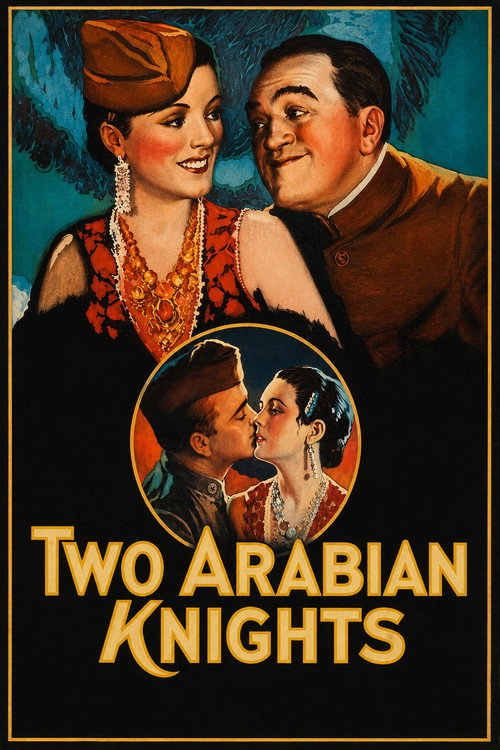
Two Arabian Knights is a product of early 20th-century cinematic escapism that relies on Western-centric interpretations of the Middle East. The film prioritizes high-energy physical spectacle and slapstick romance over authentic cultural or social depth. Narrative structures are built upon traditional hierarchies, where male characters drive the plot and female characters serve as romantic objects. The lack of multi-layered depth is a defining characteristic of this era's filmmaking. Ultimately, the film functions through appropriation, using a foreign setting as a decorative backdrop for Western entertainment. It reinforces colonial-era perspectives through its casting and stylized portrayal of 'the Orient.'
Category Breakdown
The film does not include any identifiable LGBTQ+ characters or non-cisgender identities. The romantic storyline focuses solely on heterosexual relationships, centered around the male protagonist's pursuit of a female lead.
The narrative is dominated by the male protagonist, who drives the comedic momentum. Although the female lead is central to the romantic storyline, she primarily serves as an object of desire.
The film casts an all-white ensemble to play Middle Eastern characters, reinforcing a colonial-era perspective through caricatured clichés and exoticized settings.
The film prioritizes Western comedic sensibilities over authentic cultural accuracy. It avoids complex social or religious critiques, presenting a stylized, escapist version of a foreign landscape.
There are no prominent depictions of visible or invisible disabilities. The focus on physical slapstick emphasizes bodily agility rather than addressing neurodivergence or chronic illness.
Present on Screen
Limited or Absent
Official Synopsis
During World War I, two American soldiers fight to escape the Germans while squabbling over a beautiful harem girl. Preserved by the Academy Film Archive in partnership with University of Nevada, Las Vegas Foundation in 2016.
1941
1926
1919
1930
1928
1924

1937

1952
No reviews yet. Be the first to share your thoughts on this movie!
Use the rating form above to leave a star rating and optional review.